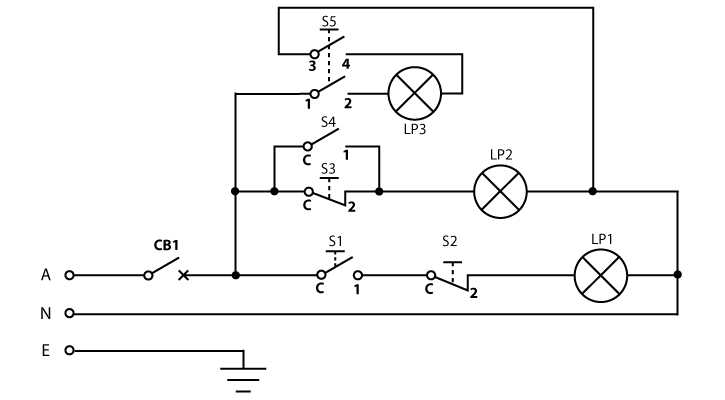
To effectively interpret a schematic, start by familiarizing yourself with the standard symbols used for components like resistors, capacitors, and transistors. These symbols are universal and are key to understanding how various elements interact within the system. By recognizing them, you can easily follow the flow of current and voltage through the system.
Use a systematic approach when reading a schematic. Begin from the power source and trace the path step by step to identify how the electricity travels through each part. This method will help you understand how each component contributes to the overall operation.
When designing your own layouts, ensure that connections are clear and follow logical patterns. Group components based on their function to avoid confusion. A neat, well-organized diagram makes troubleshooting easier and reduces the risk of errors when building or modifying the system.
Designing Clear and Functional Schematics
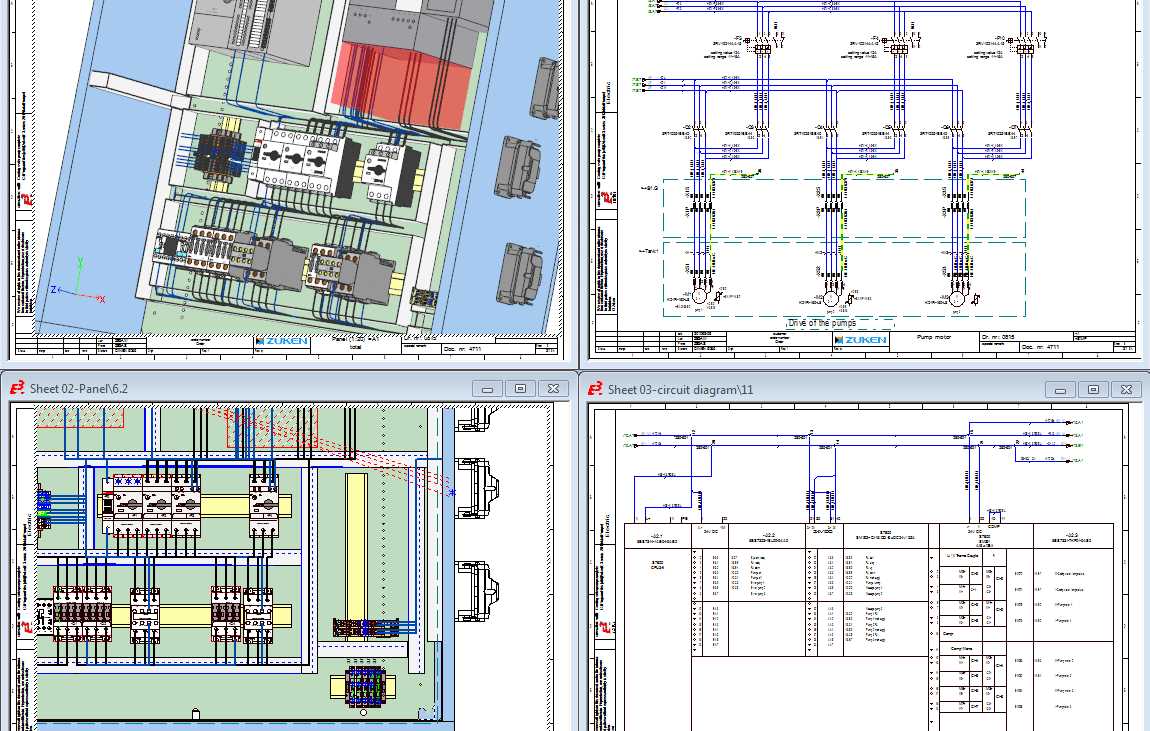
When creating a visual representation of a system, clarity is paramount. Avoid clutter by using standard symbols and ensuring that each connection is unambiguous. Group components logically based on their function to improve both readability and understanding. Clear layout and organized connections help prevent errors during both design and troubleshooting phases.
Standard Symbols and Their Importance
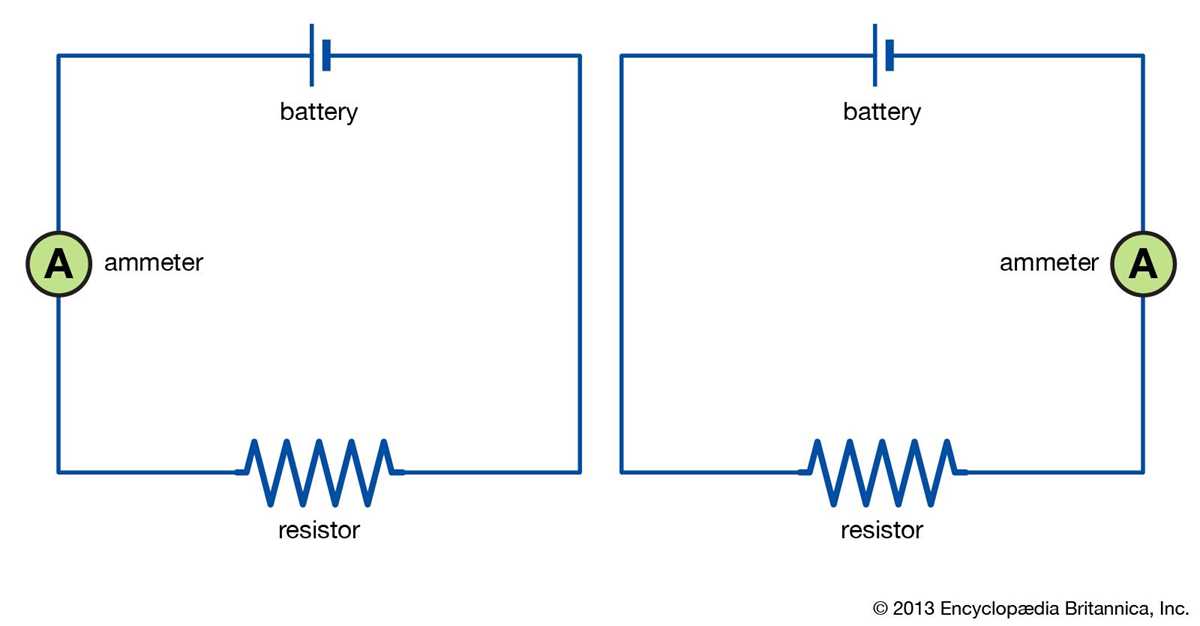
The first step in creating any schematic is to become familiar with the standard symbols for components such as resistors, capacitors, and switches. These symbols have been widely accepted across industries, which allows technicians and engineers to quickly interpret and understand the design. Consistency in symbol usage across your diagrams helps minimize confusion and errors.
For example, resistors are typically represented by a zigzag line, while capacitors are shown as two parallel lines with a gap between them. Understanding these symbols is key when reviewing or creating layouts, as it allows you to focus on the function of the system rather than deciphering each individual component.
Efficient Use of Space in Schematics
While it’s important to include all relevant components, it’s equally crucial to keep the layout simple. Efficient use of space means fewer overlaps and shorter connection paths, which directly impacts the ease of building and troubleshooting. Keep components spaced enough to avoid confusion, but also compact enough to save space. Maintain consistent spacing between items to ensure that all connections are clear and distinguishable.
- Place power sources at the beginning of the diagram to create a logical flow.
- Organize components into functional blocks for easier comprehension.
- Avoid excessive lines; only show what’s necessary to depict the function of each element.
Minimizing unnecessary elements not only makes your schematic more readable but also reduces the chance of introducing mistakes during implementation. A cluttered diagram can lead to overlooked connections or incorrect assumptions about how components interact.
Finally, keep in mind that labeling is equally important. Labels should be concise yet informative, providing enough detail to explain the function of each part. Proper labeling ensures that anyone reviewing the design–whether they are engineers or technicians–can quickly understand how the system works and make any necessary adjustments with ease.
How to Read and Interpret Basic Electrical Circuit Diagrams
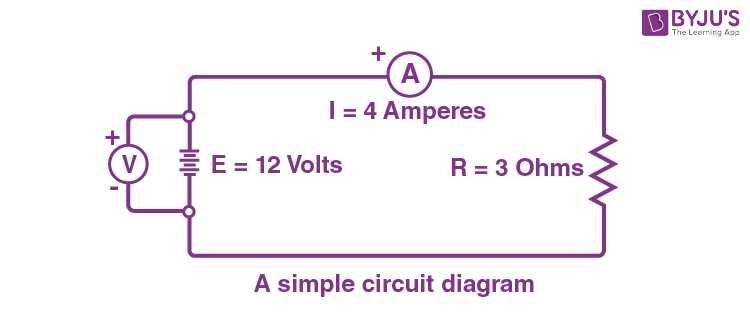
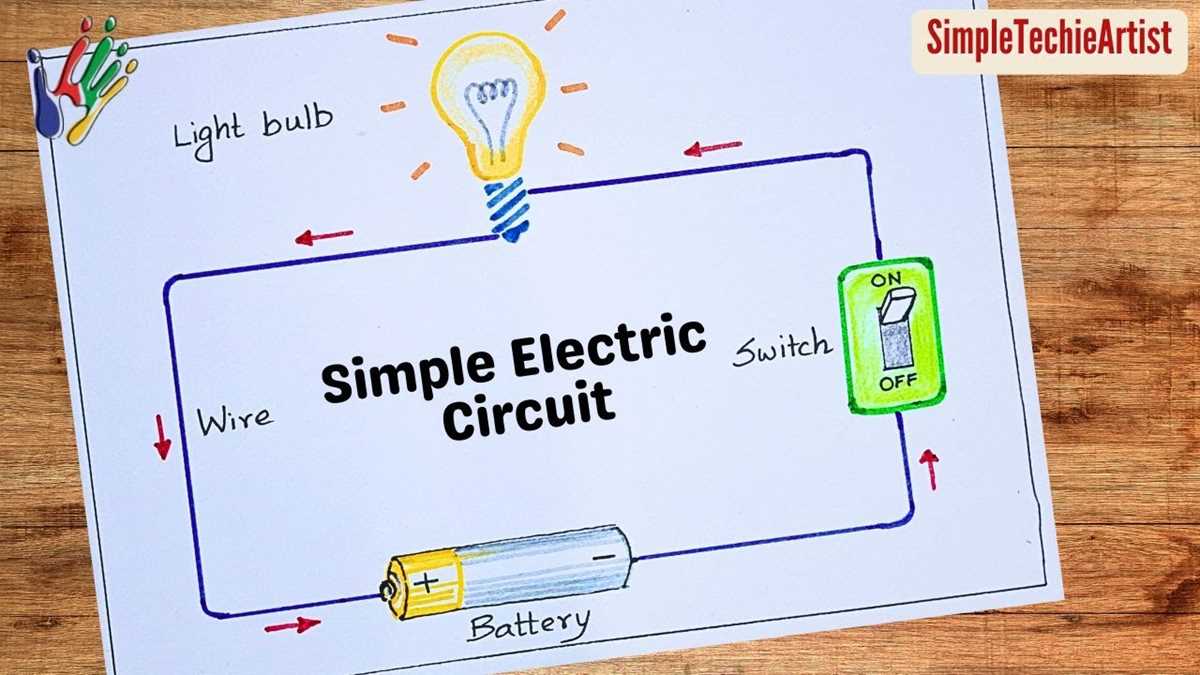
To begin, focus on identifying the power supply in the diagram. It is usually marked clearly, with symbols like a battery or voltage source. This helps you understand where the energy originates, and guides you through the rest of the layout. Make sure to trace the flow of energy from this source through the rest of the components.
Next, examine the components connected to the power source. Each element, whether a resistor, capacitor, or switch, will have a distinct symbol. Be familiar with these symbols, as they are the key to understanding the role of each part in the design. Additionally, check for numerical values next to each symbol–these represent the component’s specifications and affect how the system behaves.
Pay close attention to how the components are linked. Lines indicate connections, and junctions represent points where multiple connections meet. A connection with no junction symbol means the lines are joined, while a dot at a junction signifies a proper intersection. Understanding this will help you see how signals or currents move from one part to another.
Finally, trace the current flow through the system. Start at the power source and follow the path through each component. Understanding how switches control the flow or how elements interact will clarify the operation of the system. This step is vital for troubleshooting and allows you to see the bigger picture of how the design functions as a whole.