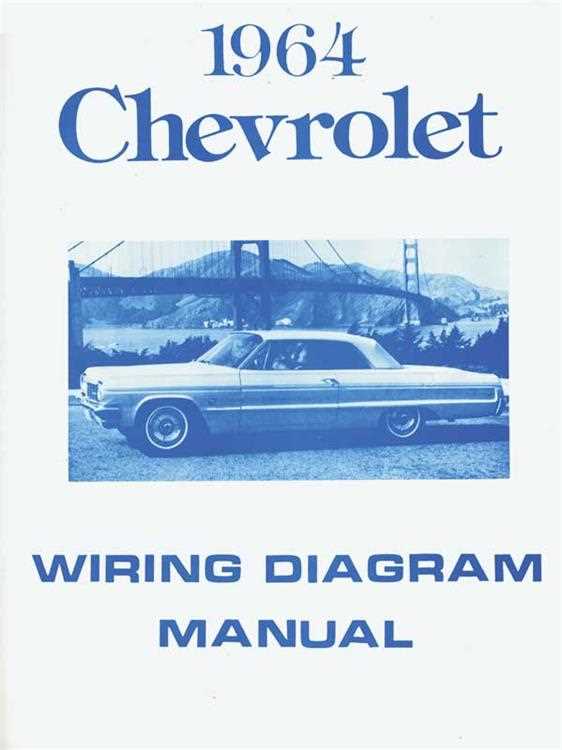
For successful restoration or maintenance, it’s crucial to have a clear understanding of the electrical layout of your classic vehicle. Each component, from the ignition system to the lighting and power distribution, relies on proper connections. Start by familiarizing yourself with the primary components that require attention, such as the battery, alternator, and fuse box.
Next, you will need to trace the key circuits, including power feeds to critical systems like the engine, transmission, and dashboard. Knowing how to read the electrical flow is vital for diagnosing issues and making repairs. Pay special attention to the connectors and grounds, as corrosion can often cause failures in these systems.
For more accurate troubleshooting, use a multimeter to test voltage and continuity across different circuits. Identifying a fault early on can save you significant time and effort during the repair process. Be methodical in your approach, checking both the power supply and return paths for any issues.
In addition to repairs, ensuring that the components are correctly installed will reduce the risk of future electrical failures. Proper grounding and secure connections are critical for the safe operation of any vehicle, especially when dealing with older models.
Key Aspects of the Electrical Layout for Classic Vehicles
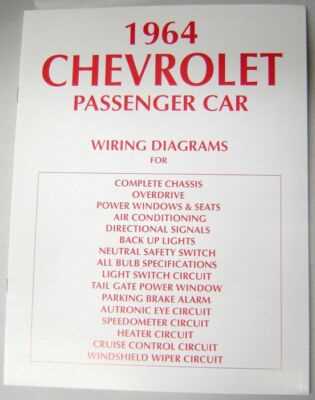
Start by identifying the main circuits that control essential functions like ignition, lights, and power distribution. Knowing the exact paths of these connections is crucial for both installation and troubleshooting. For instance, the battery must be connected properly to the alternator and fuse box to ensure the vehicle powers on and charges correctly. Any interruptions in these connections can lead to power loss or malfunctioning systems.
Check the primary fuse box connections, which are critical for protecting the vehicle’s electrical components. The fuse box should be easily accessible for regular checks and replacements. Ensure that each fuse is rated appropriately for the connected component to avoid overloading circuits.
Understanding Grounding Systems
Grounding is one of the most common issues when restoring classic cars. Poor or missing ground connections can lead to a range of problems, including dimming lights or erratic performance of electrical accessories. Carefully inspect all ground connections, especially those linked to high-power components like the engine block or chassis. Clean any corrosion, and if necessary, replace the ground wires to ensure a solid connection.
Test continuity between ground points and verify that voltage readings are stable. Use a multimeter to check that the electrical components are receiving a steady supply of current. Unstable or fluctuating readings may indicate a weak ground or faulty wiring.
Common Problems and Solutions
One of the most frequent issues with the electrical system in vintage vehicles is deteriorating connectors. Over time, these connectors can corrode or become loose, causing inconsistent power flow. Inspect each connector for signs of wear and replace any that appear damaged. Be sure to also check the condition of the wiring insulation, as older wires may be brittle and prone to breaking or shorting.
Another area to check is the ignition system. Problems with the ignition switch or its wiring can prevent the vehicle from starting or cause intermittent issues with engine operation. If the ignition switch is faulty, replace it promptly to avoid being stranded. Testing the circuit for proper voltage at the switch can help pinpoint issues quickly.
Finally, always double-check the routing of the wires to avoid any contact with moving or hot components. Wiring that comes into contact with parts like the exhaust manifold can quickly deteriorate and cause electrical shorts. Ensure proper insulation and secure routing to keep everything intact for the long run.
Identifying Key Components in the Electrical System
The battery serves as the primary power source, feeding electricity to the entire electrical system. Its connection to the alternator is crucial for keeping the system charged while the engine runs. Check for corrosion on the battery terminals, as this can lead to poor power flow. A properly functioning alternator ensures the battery remains charged and supplies power to the ignition system, lights, and accessories.
The fuse box distributes power to various components and serves as a protective system against short circuits. Each fuse is assigned to specific parts such as the headlights, ignition, or power windows. Inspect the fuse box for any blown fuses, and always replace them with the correct amperage rating. Regularly check the condition of the fuses to avoid component damage from electrical overloads.
Ground connections play a critical role in maintaining the stability of the electrical system. Without proper grounding, you may experience issues with lighting, engine performance, or accessory functions. Ensure that all ground wires are connected securely to the chassis or engine block. Over time, corrosion can develop on these connections, so it’s important to clean or replace any compromised ground points to prevent electrical faults.