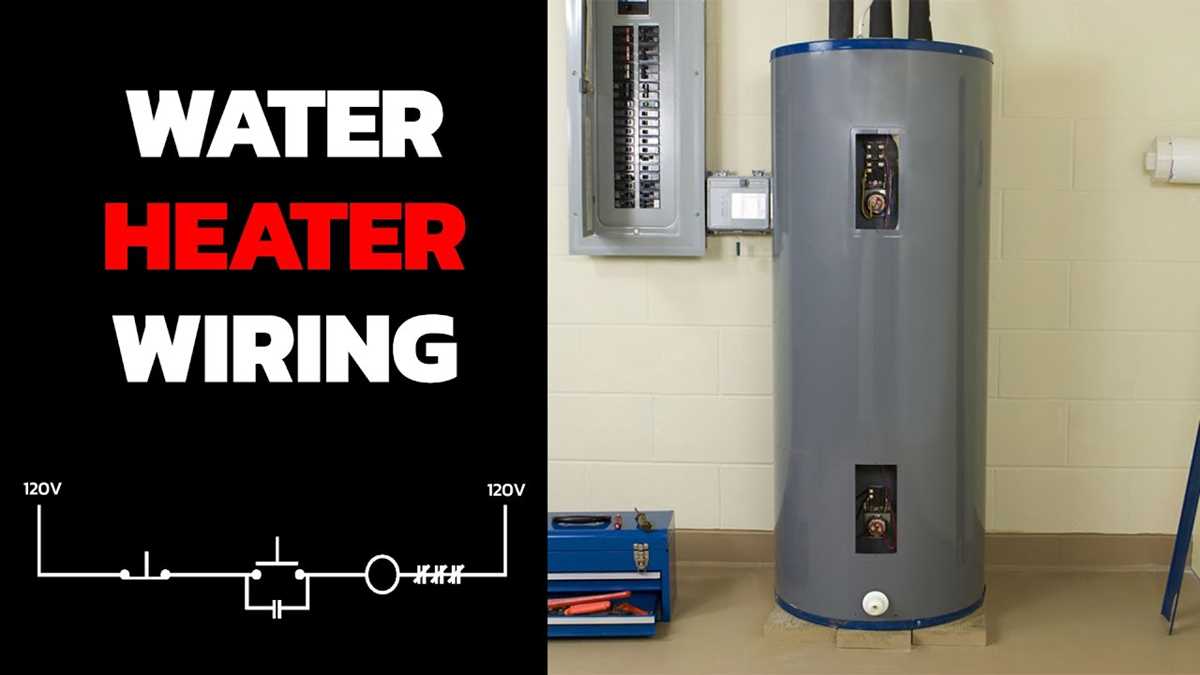
Switch off the main breaker before touching any terminals. Identify the black and red leads that supply power and the green or bare conductor for grounding. Mark each line with tape to avoid mistakes during installation.
Strip roughly ¼ inch of insulation from each conductor. Insert the power leads into their corresponding terminals and tighten the screws firmly. Ensure no stray strands can touch other terminals to prevent short circuits or tripped breakers.
Attach the grounding conductor to the designated screw or lug on the metal tank. Verify the connection is secure and free from rust or paint. Proper grounding protects against electric shock and equipment damage.
After completing all connections, restore power and measure voltage across the input terminals. It should read approximately 240 volts. If the measurement is off, recheck all leads and the circuit breaker before testing the heating elements.
Electric Hot Water Heater Connection Guide
Turn off the main breaker before starting any connections. Locate the red and black supply leads and the green or bare grounding conductor. Label each wire to prevent confusion during assembly.
Strip about ¼ inch of insulation from each conductor. Insert the power leads into their corresponding terminals on the control panel and tighten the screws firmly. Check that no strands touch adjacent terminals to avoid short circuits.
Securing the Ground Connection
Attach the grounding conductor to the designated screw or lug on the metal tank. Ensure a tight fit and remove any paint or rust around the connection point. Proper grounding protects against shocks and prevents damage to the unit.
Verify that the heating elements are correctly connected to their respective terminals. Use a small screwdriver to confirm that each screw is tightened and that the metal strips under the terminals make full contact. Loose connections can lead to uneven heating or tripped breakers.
After all leads are secured, restore power and measure voltage across the main input terminals. The reading should be approximately 240 volts. If it differs, switch off the breaker and recheck all connections before testing the elements.
Testing the System
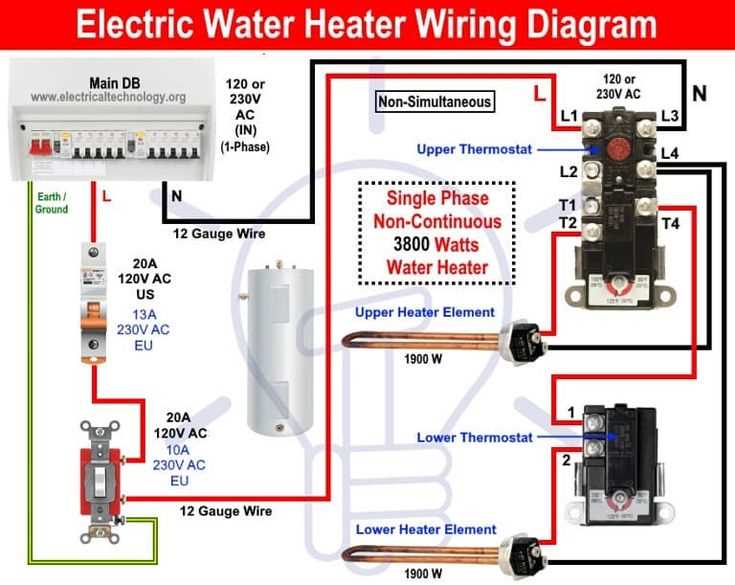
Turn the unit on in small increments and observe each element individually. Confirm that both top and bottom elements activate correctly. Monitor the temperature rise to ensure the unit operates as expected without unusual noises or sparks.
Once testing is complete, bundle wires neatly using cable ties to reduce stress on terminals and maintain safe, long-term connections. Document each connection for future reference, simplifying maintenance and preventing repeated troubleshooting.
Connecting Power Supply and Ground Leads Safely
Switch off the main circuit breaker before touching any terminals. Identify the red and black conductors supplying voltage and the green or bare conductor for grounding. Label each line to prevent mistakes during installation.
- Strip approximately ¼ inch of insulation from each wire
- Insert the red and black conductors into their corresponding terminals
- Tighten screws firmly to ensure stable contact
Check that no strands touch adjacent terminals
to avoid shorts or tripped breakers.
Verifying and Securing the Ground
Attach the grounding conductor to the designated screw or lug on the metal chassis. Ensure a solid connection by removing any paint or corrosion at the contact point. Proper grounding prevents electric shock and protects the appliance from damage during operation.