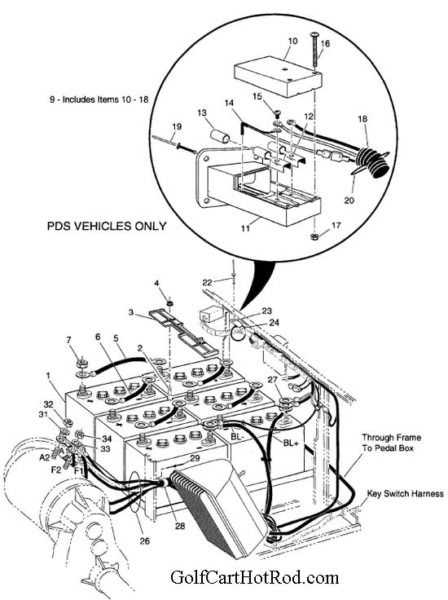
Always start by disconnecting all power sources before inspecting any circuits. Working on the battery links and motor terminals without cutting off current can cause shorts or permanent damage to components. Use insulated tools and check voltages with a multimeter before touching wires.
Label each lead and terminal during disassembly. This prevents errors when reconnecting controllers, switches, and solenoids. Use colored tape or numbered tags to track positive and negative lines, and keep connectors separated to avoid accidental cross-connection.
Follow the manufacturer’s pinout for controller boards. Connecting the throttle, reverse, and brake signals incorrectly can stop the vehicle from functioning or trigger automatic safety shutdowns. Refer to the model-specific schematics for correct orientation of each wire.
Test each connection incrementally. After completing battery links and motor circuits, energize the system briefly to verify movement and proper switch operation before final assembly. This prevents repeated disassembly and ensures all relays and fuses respond correctly.
EZ Go Electrical Connections Guide
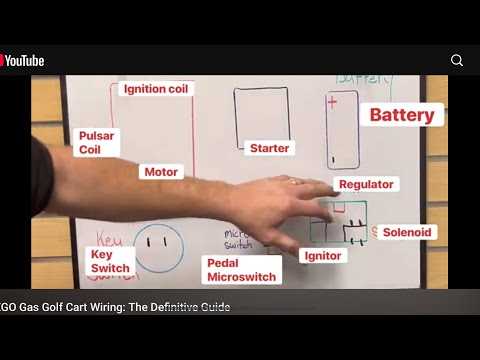
Disconnect the main power before inspecting any connections. Handling battery terminals or motor leads with live current can cause shorts and permanent damage to controllers. Always verify voltage levels with a multimeter first.
Mark each terminal during disassembly. Use colored tags or labels for positive, negative, and signal lines to prevent misplacement. Keep connectors separated to avoid accidental cross-contact.
Follow the exact pin assignments for controller boards. Incorrect connections for throttle, reverse, or brake inputs can stop the system from responding or trigger safety cutoffs. Reference model-specific charts for precise orientation.
Secure battery cables with proper clamps. Loose connections increase resistance, generate heat, and can prematurely wear down fuses. Tighten terminals to manufacturer torque specifications to maintain stable current flow.
Inspect switches and relays individually. Ensure that all mechanical contacts are clean and free of corrosion. Replace any units that show pitting or burn marks to prevent intermittent failures during operation.
Test each circuit incrementally. After connecting batteries and control lines, briefly energize the system to verify motion, switch response, and correct relay function. This step avoids repeated disassembly for troubleshooting.
Document the assembly process. Take photos or note positions of connectors and cable routing. This record helps with future maintenance, reduces errors during reinstallation, and ensures all safety components remain correctly wired.
Connecting Batteries and Main Power Lines
Always disconnect all power sources before handling battery terminals. Live connections can cause sparks, short circuits, or permanent damage to the controller and motor assembly.
Inspect each battery for leaks or corrosion. Clean terminals with a baking soda solution and a wire brush to ensure solid contact. Corroded posts increase resistance and reduce performance.
Use correct gauge cables for main power lines. Undersized wires overheat under high current load and can damage fuses or connectors. Refer to the manufacturer’s specifications for cable thickness based on voltage and amp ratings.
Follow a clear connection order:
- Connect positive terminals first, then negative.
- Attach the main power leads to the controller.
- Secure all clamps tightly to prevent movement or arcing.
Double-check series and parallel arrangements. Verify that batteries are linked according to the model’s voltage configuration. Incorrect series connections can overvolt components while parallel misconnection can cause rapid discharge.
Securing Cables and Connectors
- Route cables away from moving parts and heat sources.
- Use insulated clamps or zip ties to prevent vibration damage.
- Ensure connectors are fully seated and locked to avoid intermittent loss of power.
Testing Power Flow
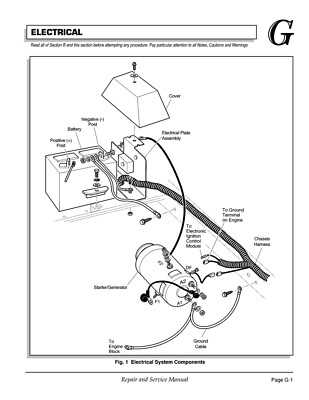
After connections are complete, use a multimeter to confirm correct voltage at the controller input. Briefly energize the system and check that the main lines carry stable current without excessive heat buildup.
Document each step. Take notes or photos of terminal positions and cable routing. This reference helps with future maintenance and prevents accidental misconnection of high-current lines.