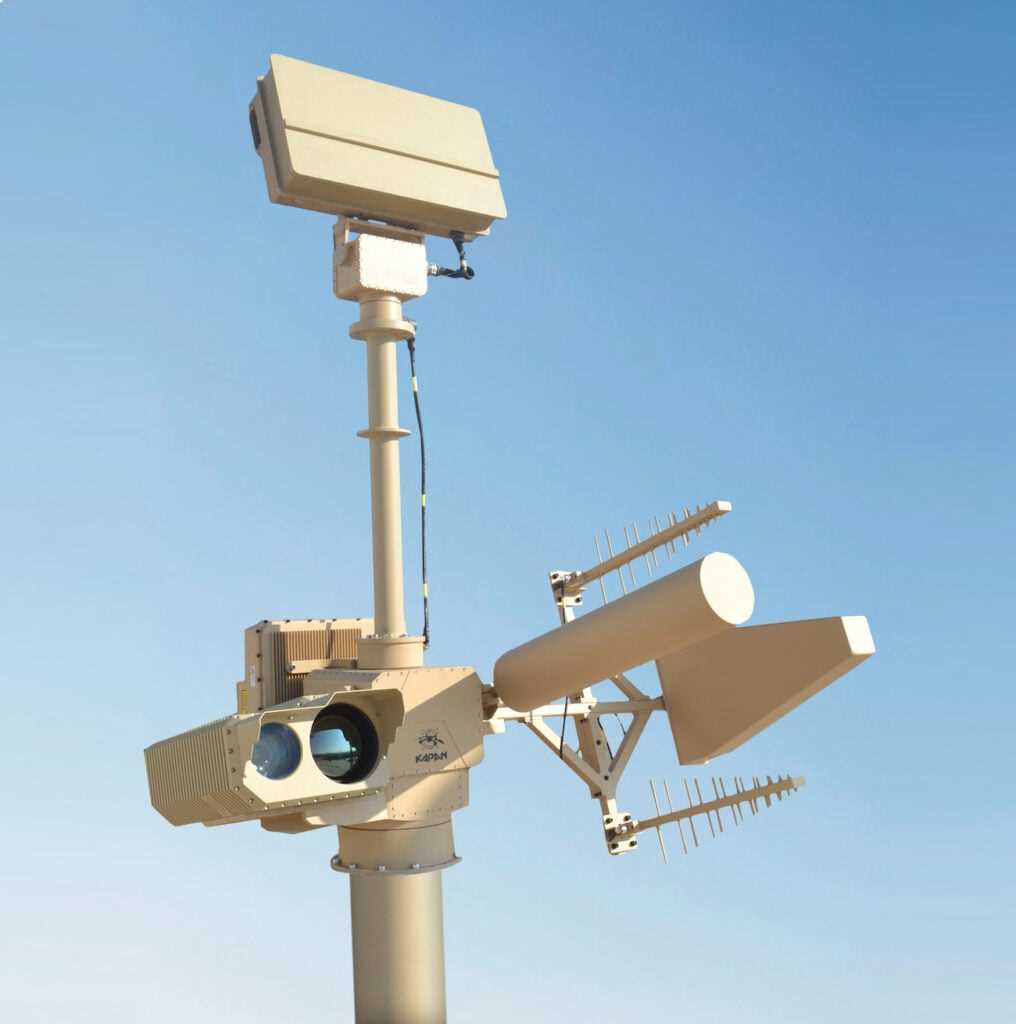
To block communication between remote-controlled devices and their controllers, focus on creating an interference system that targets specific frequencies. Begin by selecting a frequency generator capable of emitting signals within the range of the targeted device’s communication channels. A high-frequency oscillator is typically the best choice for generating a stable interference signal that can effectively disrupt communication.
Next, ensure your system includes a powerful amplifier. This component will strengthen the interference signal to extend its range, ensuring it reaches the target device’s communication system. For a broader impact, use high-power components that can disrupt the signal over a longer distance. This is critical if you’re aiming to block the device from several meters away or in an open area with limited obstructions.
Pay attention to power requirements. The components you select should be able to handle the power demands of the signal generator and amplifier. A stable power supply is key to ensuring continuous operation without fluctuations that might impair the signal quality. Additionally, you may want to incorporate a heat dissipation system to avoid overheating, as these systems can generate significant heat during operation.
For wiring, use high-quality, insulated cables and make sure the connections are secure to avoid power loss or short-circuits. Shielding is also necessary to prevent interference from affecting nearby devices unintentionally. Grounding all parts properly ensures safety and optimal performance. Once you have assembled the system, test it to verify that the disruption is consistent and operates over the desired range.
Finally, adjust the placement and power output as needed to ensure that the interference works effectively. Troubleshooting might involve fine-tuning the oscillator settings or the amplifier’s gain. With the right setup, you can create a powerful system capable of blocking unwanted signals from remote-controlled devices within the specified range.
Building a Signal Interference Device for Remote-Controlled Systems
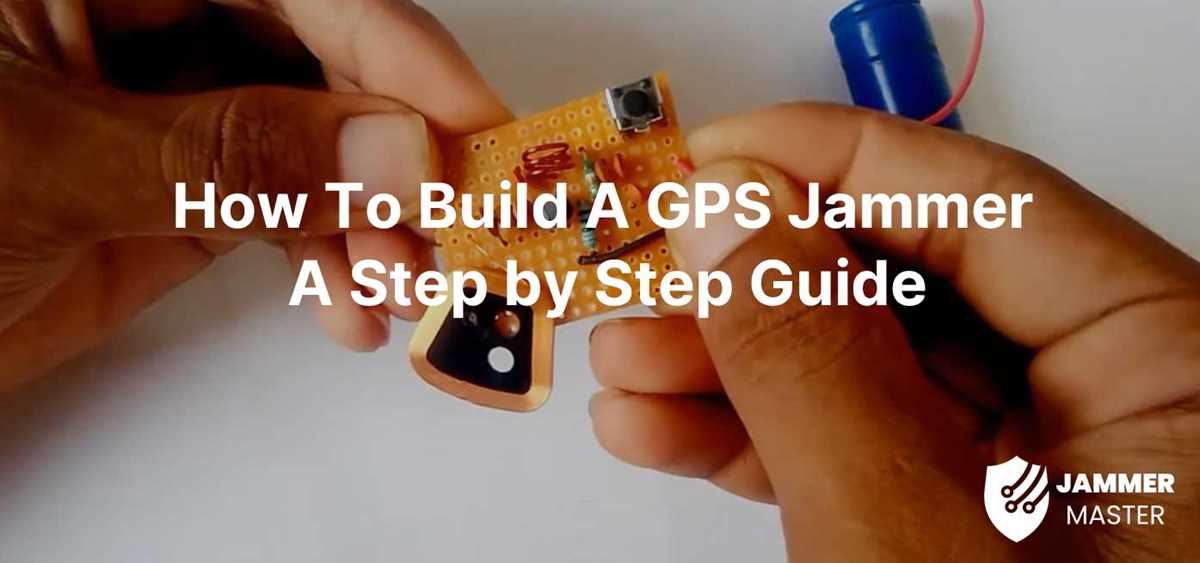
To create an effective signal blocking system, select an appropriate frequency generator that matches the communication band of the target device. Typically, oscillators that cover a broad range are ideal, as they allow for flexibility in disrupting various signal types. The generator should be able to output a stable signal, which can overpower the target device’s frequency, preventing it from receiving or transmitting information. It’s crucial that the interference signal is constant, without drops in power or frequency fluctuations.
Next, integrate a high-power amplifier to boost the signal strength. This ensures that the interference reaches further distances, disrupting the target’s communication even at larger ranges. Use low-loss cables for connecting the generator to the amplifier to avoid any attenuation of the signal. Proper shielding is important to prevent the interference from leaking to nearby electronic devices unintentionally. Once assembled, check the system by conducting field tests to confirm that the disruption is effective and covers the desired area.
Key Components for Building a Signal Interference System
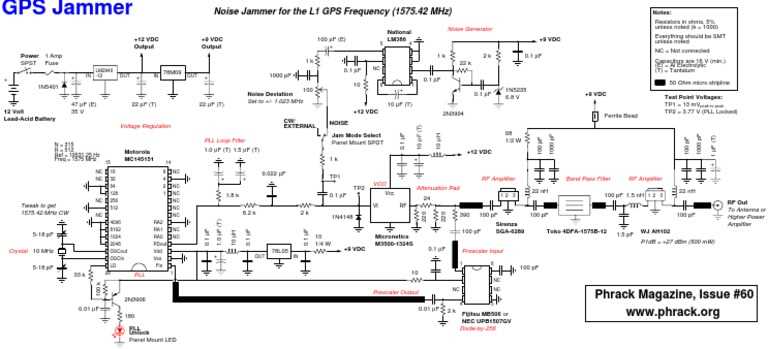
The core component of any signal interference system is the frequency generator. It must be capable of generating a stable signal at the desired frequency range to disrupt the target system’s communication. Choose a signal generator that can produce broad-spectrum interference for more effective coverage across various frequencies. Ensure that the generator can operate continuously without overheating or signal degradation.
Next, a power amplifier is necessary to amplify the generated signal. The amplifier should be matched to the power requirements of the system and the range you wish to achieve. A high-gain amplifier can ensure that the interference signal is strong enough to cover a large area, interfering with the target’s communications even from a distance. Always consider the amplifier’s power handling capabilities to avoid damage during extended use.
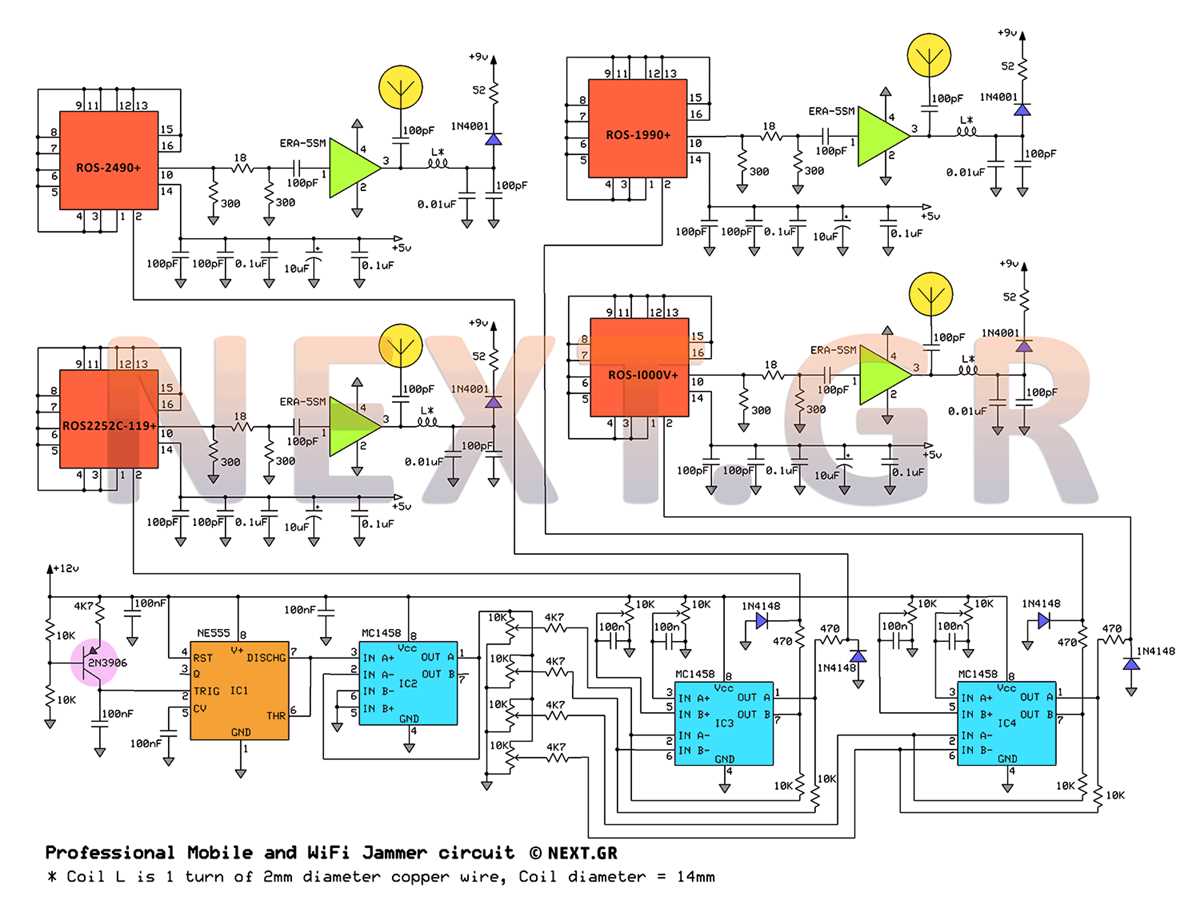
For optimal signal strength and minimal loss, it’s important to use high-quality cables with low attenuation. These cables connect the frequency generator and amplifier, ensuring the signal maintains its strength throughout the system. Look for cables designed to handle the specific frequencies being generated, and ensure that connectors are secure to avoid signal leakage.
Antenna systems play a critical role in extending the interference range. Depending on the design, omnidirectional antennas are commonly used to blanket an area with the interference signal. However, directional antennas can be used if you need to focus the signal on a specific region or object. Make sure the antenna’s gain and type align with your system’s requirements.
Lastly, ensure proper power regulation and cooling mechanisms are in place to prevent damage to the system during prolonged operation. Power supply units with built-in regulation and thermal management features help maintain system stability and longevity. Additionally, placing the components in a well-ventilated enclosure helps dissipate heat effectively, which is important during extended interference periods.