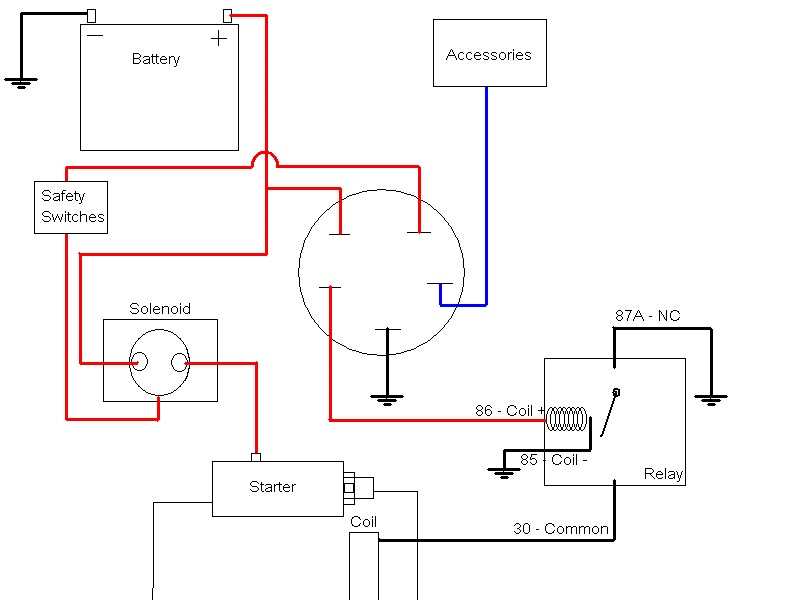
Ensure all power and ground leads are correctly identified before making any connections to avoid short circuits or damage to the electrical system. Use a multimeter to verify continuity between terminals and chassis ground.
Label each conductor according to its function–starter, accessory, ignition, or common–to maintain correct sequence when linking multiple circuits. Misidentifying leads can prevent the engine from starting or disable safety features.
Follow a sequential connection pattern by attaching the main feed first, then ground, followed by starter and accessory terminals. This approach minimizes the risk of accidental sparks or reverse polarity issues during installation.
Check each connection with the engine off and the key removed. Apply temporary power only to confirm correct routing and activation of each circuit. Avoid permanent connections until all terminals respond as expected.
Use insulated connectors and secure mounting for each terminal to prevent vibration-related disconnections and accidental shorts. Verify that no exposed metal contacts are touching the frame or adjacent leads to ensure operational safety.
Step by Step Guide to Connecting a 5 Terminal Ignition Module on Small Engine Equipment
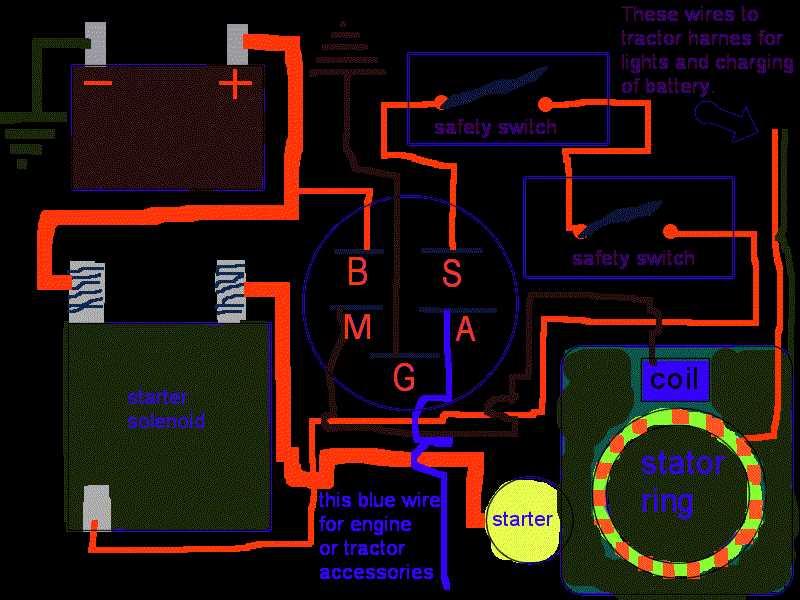
Identify the five terminals before starting. Label them according to their function: battery feed, starter, ignition, accessory, and ground. Using a digital tester helps confirm continuity and prevents misconnection.
Disconnect the battery to prevent accidental shorts. Ensure the chassis is grounded and that all previous connections are cleared from the module mounting area to avoid interference.
Attach the main power lead first. Connect the feed terminal to the battery positive output, securing it with a proper crimp or screw connection. Loose contacts here can prevent the engine from starting.
Connect the ground terminal directly to the chassis. Use a clean metal surface, free from paint or rust, and tighten firmly. A poor ground can cause intermittent engine operation or failure of the accessory circuits.
Link the ignition and starter terminals according to the labeled leads. Verify the sequence: ignition energizes before the starter engages. Test manually with a temporary jumper to confirm correct circuit flow before permanent mounting.
Finish by attaching the accessory terminal and securing all connections with protective covers. Recheck each lead for tightness and insulation, then reconnect the battery. Start the engine and observe correct operation of all circuits to confirm successful installation.
Identifying Terminals on a 5 Terminal Ignition Module
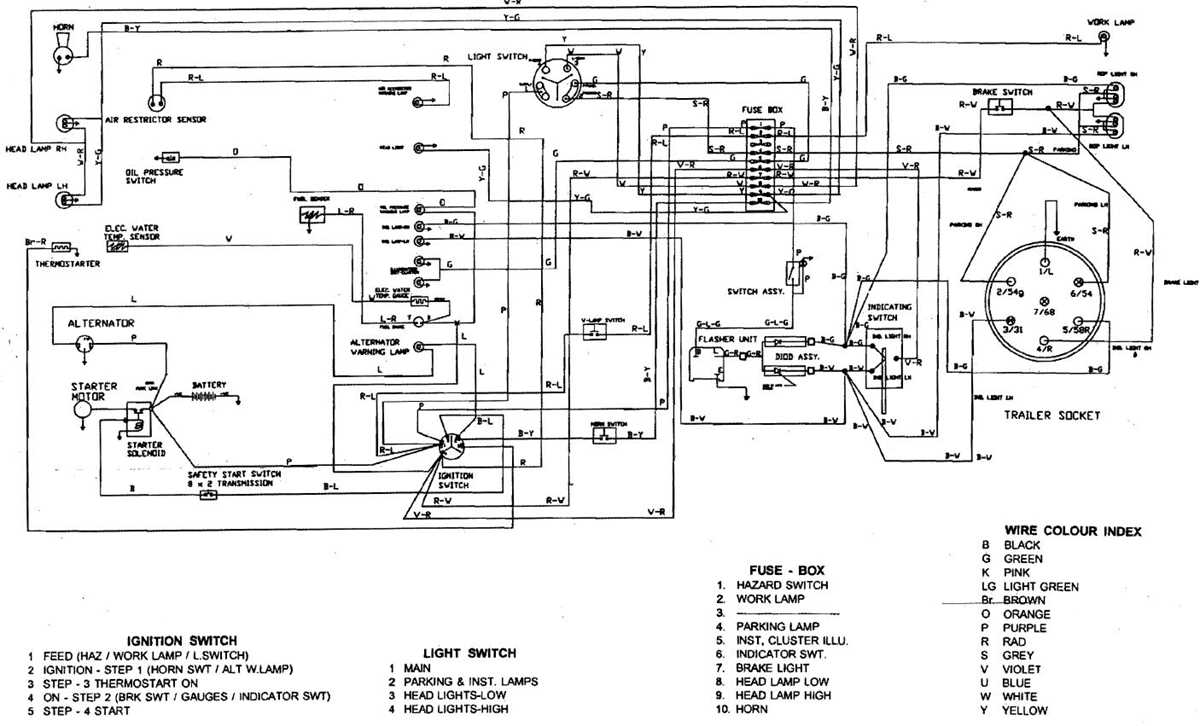
Start by labeling each terminal before connecting any leads. Common designations include battery feed, starter, ignition, accessory, and ground. Accurate labeling prevents misconnection and protects the electrical system.
Use a multimeter to confirm each terminal’s function. Measure voltage and continuity while the module is disconnected from the engine. This ensures that each lead corresponds to the correct circuit.
Battery Feed Terminal
Locate the main power input. This terminal receives constant positive voltage from the battery. Secure connections here with a proper crimp or screw to maintain consistent energy flow.
Ground Terminal
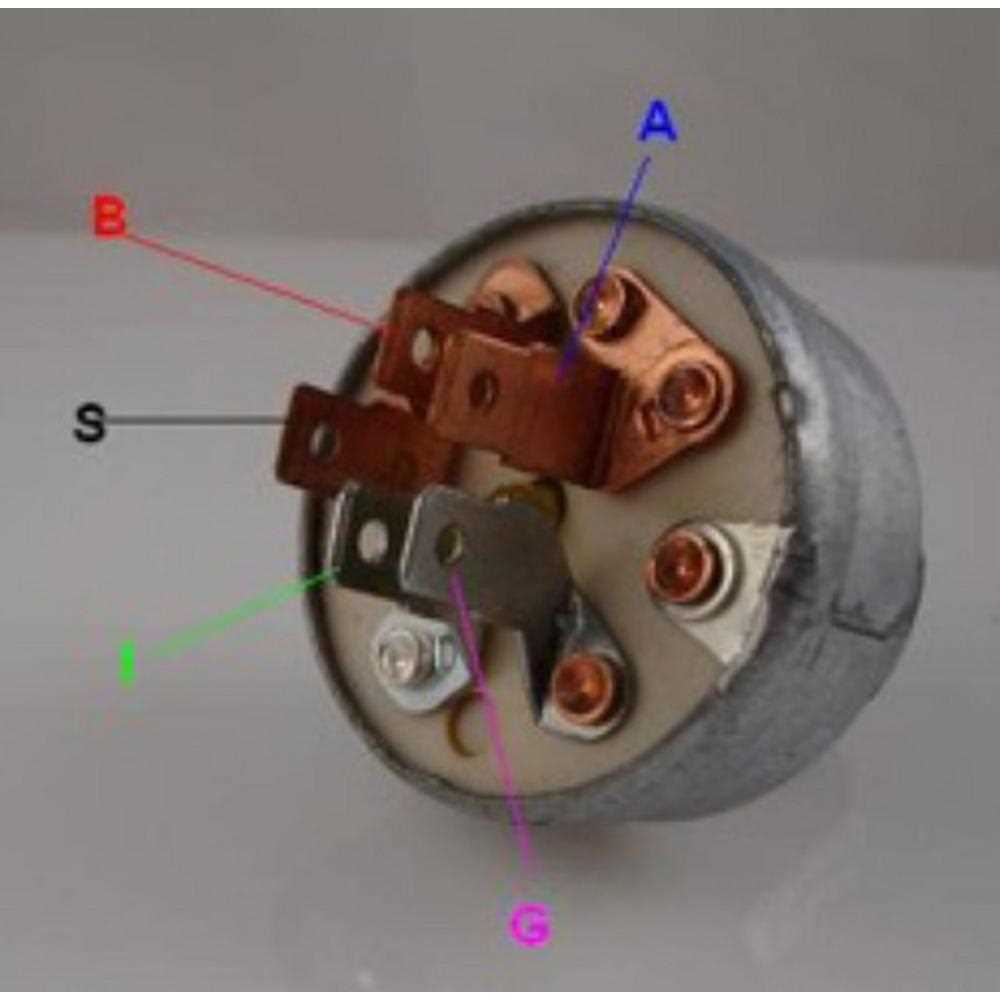
Identify the grounding point. It should connect directly to the chassis or engine block. A reliable ground prevents intermittent starting issues and stabilizes accessory circuits.
Starter and ignition terminals often sit side by side. The starter lead engages the engine’s starter solenoid, while the ignition lead powers the coil. Test each separately with a temporary jumper to verify correct operation.
The accessory terminal powers lights, safety switches, or other add-ons. Confirm its function by measuring continuity to these components and labeling it distinctly. Proper identification avoids accidental short circuits and ensures smooth operation.