
To correctly connect the electrical system of your ATV, start by ensuring that all components are properly identified. The main focus is connecting the input from the battery to the ignition and ensuring continuity to various components like the lights, ignition switch, and engine. Using the correct connectors and following a step-by-step guide can help avoid any electrical malfunctions.
Check the fuses before beginning any electrical work. A blown fuse can cause a failure in the system and may lead to confusion when attempting to troubleshoot. Having the correct fuse rating for each component is vital. Always verify that connections are tightly secured, as loose connections are one of the most common causes of failure in ATV electrical systems.
Next, consider using a multimeter to verify voltages at different points along the system. This tool will help you ensure the battery is providing the necessary voltage to the ignition system and check that all parts are properly receiving power. It is recommended to follow a specific wiring layout to ensure all components are correctly connected without the risk of short circuits or overloads.
Wiring Setup for ATV Electrical System
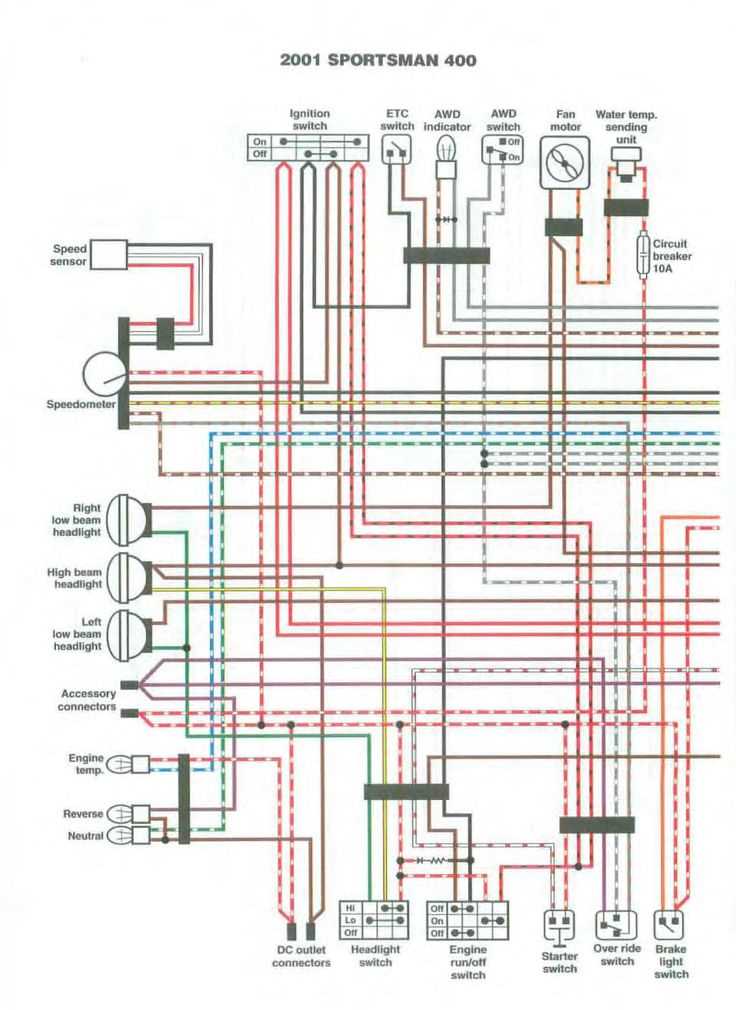
To ensure proper functionality, the ATV’s power system must be connected with precision. Start by routing the primary power wire from the battery to the ignition. It is vital that this connection is tightly secured to avoid power loss. Use a high-quality connector to ensure a stable link.
Next, connect the ignition switch to the battery feed. This will enable the activation of the electrical system. Make sure to check the fuse rating before making these connections. The wrong fuse can cause the system to malfunction or fail completely.
For safety, double-check all ground connections. Without proper grounding, the electrical components can become unstable and cause short circuits. Use a clean metal surface for grounding, and avoid painting over the grounding points, as paint can interfere with conductivity.
Once the main power flow is set up, focus on the auxiliary circuits. These are responsible for components such as lights and indicators. Each circuit should be run separately, with its own fuse, ensuring that failure in one system does not affect the others.
Use a multimeter to confirm that all wires are carrying the correct voltage. This tool helps you identify any issues with the connections. For instance, a voltage drop could indicate loose wiring or a faulty component. Regular checks during the installation process will save time in the long run.
Always protect any exposed wires with appropriate insulation. This will prevent accidental shorts and keep the system safe. Wrapping wires with electrical tape or using heat shrink tubing is a quick and efficient method to achieve this.
Finally, once all connections are made, test the system thoroughly. Turn on the ignition and test each component individually to verify that the system is fully operational. If anything is not functioning as expected, retrace the steps and check for issues in the connections.
Understanding the Basic Wiring of the 2002 Polaris Xplorer 400
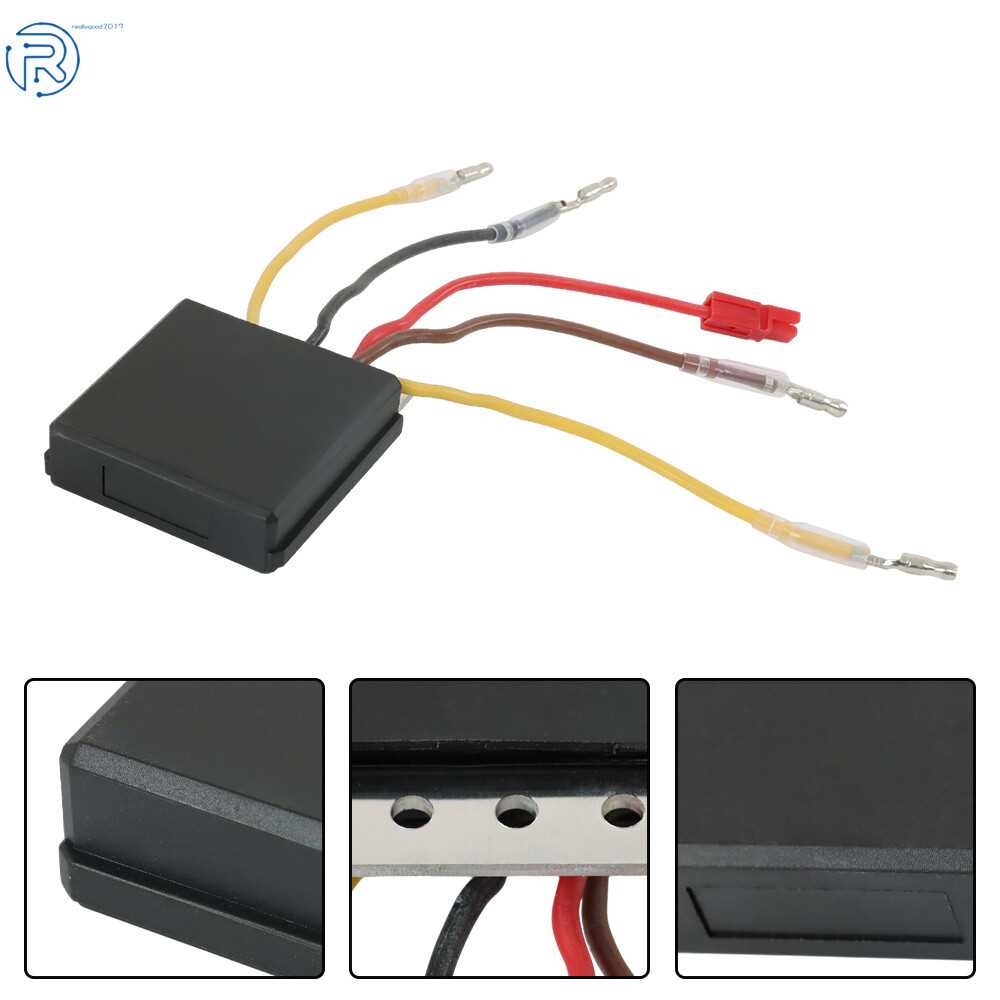
The ATV’s electrical setup relies on a few core connections that drive the vehicle’s power systems. Begin by routing the primary lead from the battery to the ignition switch. This provides the base power for starting the engine. Always ensure a secure, insulated connection to avoid corrosion over time.
The ground connection plays a crucial role in maintaining stability throughout the system. A clean, secure ground minimizes the chance of electrical shorts. Attach the ground wire to a well-scraped metal surface to ensure good conductivity. Avoid grounding on painted or non-metallic parts.
For the starting system, connect the ignition switch to the starter relay. When the ignition is turned on, this connection activates the starter motor, initiating engine operation. If the system is not engaging, inspect for corroded connections or faulty wiring.
The lighting system is powered through a separate wire running from the ignition to the lights and indicators. Each light should be individually fused to prevent failure in one component from affecting others. For best results, use fuses that match the voltage and amperage requirements of the lights.
Fuse boxes are strategically placed to protect various electrical components. Ensure that fuses are rated correctly, as using an undersized fuse can cause overheating, while an oversized fuse may not protect the circuit adequately. Test each fuse periodically to ensure it is functioning as expected.
Use high-quality connectors, preferably crimp-style, for all wiring links. Soldering wires together is another reliable method, but it requires extra care to avoid over-heating or damaging the insulation. Insulate all connections with heat shrink or electrical tape to prevent exposure to the elements.
When routing wires, avoid sharp bends or areas of friction that could damage the insulation. Secure the cables with plastic clips or zip ties to keep them in place and prevent unwanted movement. Ensuring that wires are properly secured reduces the risk of wear over time.
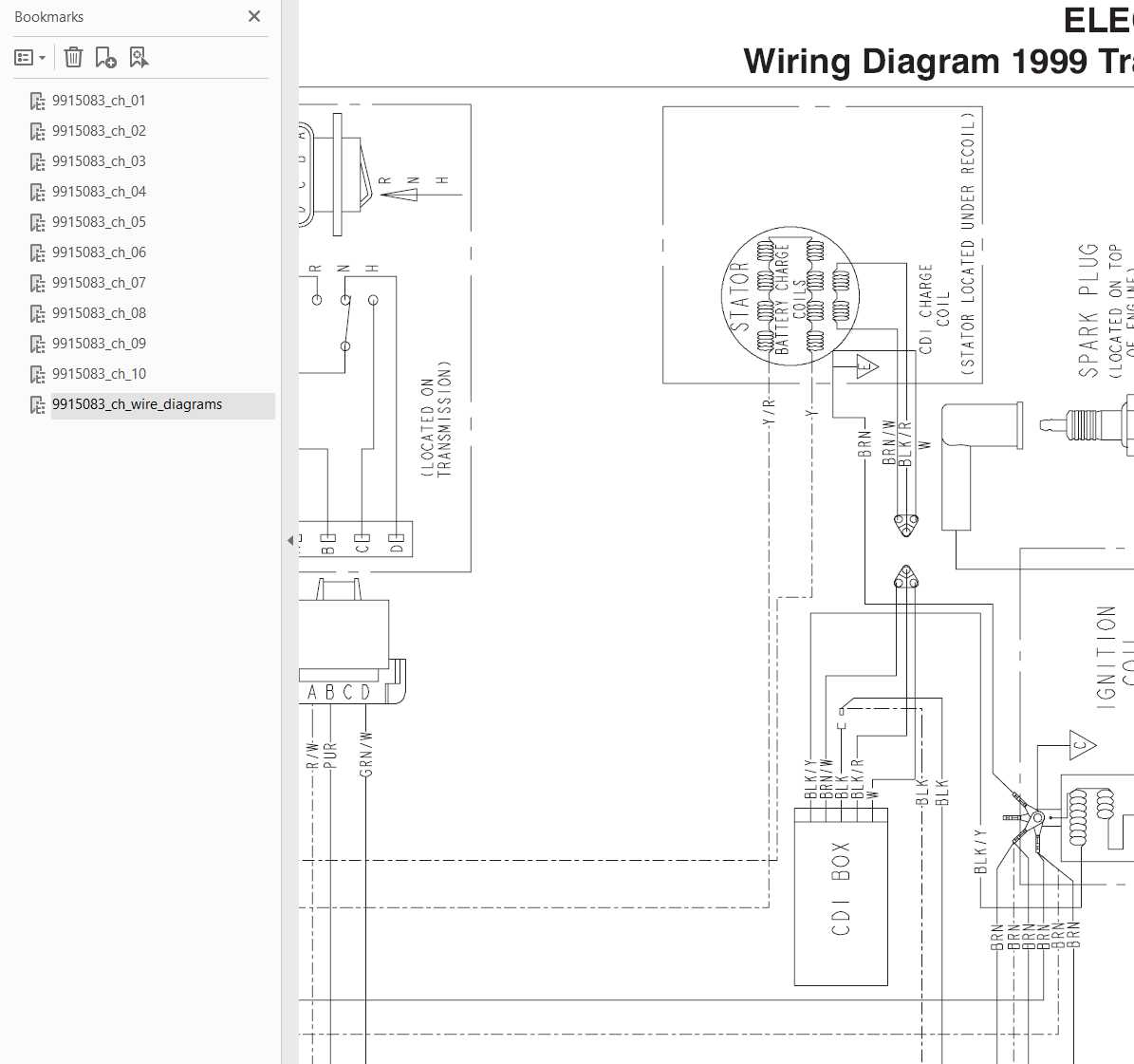
After the electrical setup is complete, test the system. Turn on the ignition and check each component–lights, starter, and indicator–to ensure they function correctly. If something is amiss, retrace your steps and check the integrity of each connection for any signs of wear or corrosion.