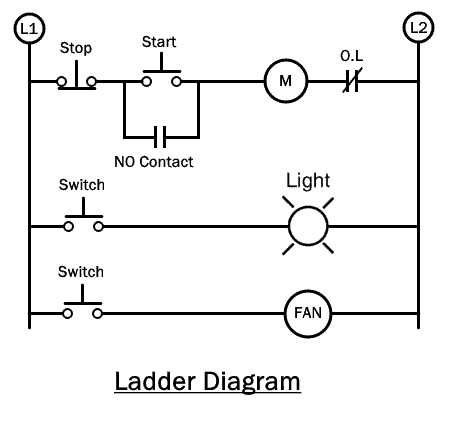
Ensure proper identification of all connection points before integrating power sources and loads. Use color-coded terminals and clearly labeled nodes to prevent misconnection and reduce the risk of short circuits.
Maintain consistent voltage levels across all branches by checking the supply rails with a multimeter. For typical household setups, a 120V or 240V feed should be balanced with neutral and ground paths secured separately.
Use appropriately rated conductors for each segment of the system. For lighting circuits, 14 AWG is suitable, while heavy-duty appliances require 12 AWG or thicker to handle higher current without overheating.
Integrate protective components like fuses or circuit breakers at the origin of each branch. This minimizes damage to devices and wiring in case of overloads or accidental short circuits.
Follow a logical routing plan for all conductors to avoid unnecessary crossing and entanglement. Keep high-current lines separated from signal or low-voltage lines to reduce electromagnetic interference.
Secure connections with proper terminals such as screw clamps, spade connectors, or soldered joints depending on the application. Loose or improper connections can cause intermittent faults and voltage drops.
Label each node and line clearly using tags or permanent markers. This simplifies future maintenance, troubleshooting, or upgrades without requiring guesswork or testing every point individually.
Test the full assembly after completing all connections. Use continuity checks, voltage measurements, and load tests to confirm stable operation before powering sensitive devices.
Practical Connection Layouts for Residential and Industrial Applications
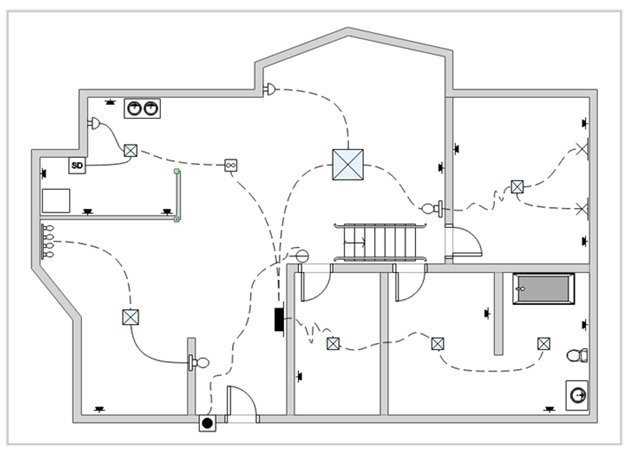
Prioritize proper power distribution by mapping all supply lines from the main source to each branch. Use separate conduits for high-current devices and low-voltage control lines to minimize interference.
Implement clear grounding paths for all major components. Attach ground terminals directly to a common bus bar to reduce voltage fluctuations and prevent potential hazards from stray currents.
Use color-coded conductors and labeling for quick identification. Red for live, black for neutral, and green for ground helps technicians trace connections accurately during installation and maintenance.
Design load-specific loops with dedicated fuses or circuit breakers. For example, kitchen appliances may require 20A branches, while lighting circuits can operate safely on 15A branches with separate protection.
Route signal lines away from high-power lines to prevent noise and cross-talk. Maintain a minimum distance of 6 inches where possible, or use shielded cables for sensitive sensors and control systems.
Test and document each connection after assembly. Verify continuity, measure voltage drops, and check for overheating points. Keeping detailed records helps streamline future troubleshooting and expansions.
Incorporate flexible junction points for future upgrades. Terminal blocks and bus bars allow additional devices to be added without disrupting existing connections, maintaining safety and stability across the system.
Identifying Key Components and Connection Points
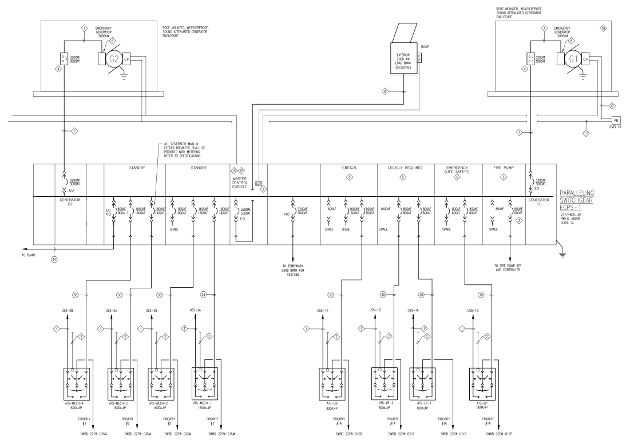
Start by labeling all major devices such as power sources, switches, relays, and load modules. Clear identification helps prevent misconnection and reduces troubleshooting time during assembly and future maintenance.
Trace each line to its termination point using a logical sequence. Note where current enters and exits devices, and mark junctions or terminal blocks to avoid accidental overlaps and ensure proper circuit continuity.
Document control and protection elements including fuses, breakers, and sensors. Listing these components with corresponding connection points allows accurate replication of the layout and safe modifications in complex installations.