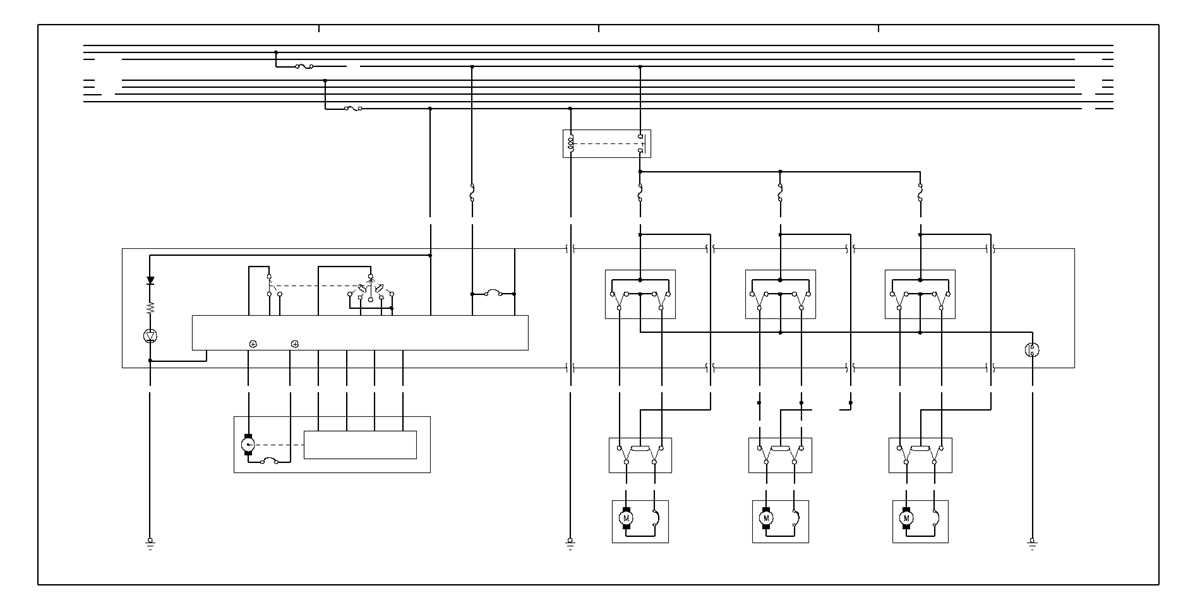
To install or repair a power-controlled window system in your vehicle, start by ensuring you have the correct wire connections for the motors, switches, and power source. Understanding the wiring layout is crucial to avoid misconnection that could lead to malfunction or even electrical failure. Check that each component is connected properly before powering up the system.
The wiring setup for this system involves a few key steps: linking the control switches to the motor, ensuring the proper grounding, and connecting to the vehicle’s battery or power source. If you’re replacing or installing a new system, carefully follow the steps provided by the manufacturer’s manual for accurate wiring. Common mistakes include incorrect switch wiring or insufficient grounding, both of which can cause the system to fail to work.
Before beginning the installation, it is recommended to gather the necessary tools and replacement parts. Ensure that all wires are insulated properly and that no connections are exposed to prevent short circuits. It’s important to check the system’s fuse to prevent power surges from damaging sensitive components.
If issues arise after installation, start troubleshooting by checking the power connection to the motor and ensuring the switches are functioning correctly. Sometimes a simple issue, such as a blown fuse or loose connection, can disrupt the operation of the system. Proper maintenance and wiring practices can keep the system working smoothly for years.
Power Window Wiring Setup and Troubleshooting
Start by ensuring that all components, such as the control panel, motor, and power connections, are compatible with your vehicle’s make and model. Using the correct parts is crucial for reliable functionality. When setting up the system, confirm that all wiring is routed neatly and away from any moving parts, which could lead to wear or short circuits.
Begin with connecting the control switch to the vehicle’s power supply, typically located near the fuse box. Be sure to use appropriately rated wires for the power load to prevent overheating. Ensure the ground wire is properly connected to the vehicle chassis to complete the circuit and ensure safe operation of the system.
Check the motor connections next. The power motor will have several wires, including those for up/down movement and a ground wire. Ensure these wires are connected securely to the power source and the switch terminals. Any loose connections can lead to intermittent or no operation, which may be a common issue during installation.
If the system is not functioning properly after installation, start by checking the fuse. A blown fuse is a common culprit that prevents the system from operating. Replacing the fuse with one of the correct amperage can resolve the issue. If the fuse continues to blow, this could indicate a more serious problem, such as a short circuit.
Another troubleshooting step is to test the switch for functionality. Use a multimeter to check if the switch is sending voltage to the motor when activated. If no voltage is detected, the switch may be faulty and need replacement. If the switch works correctly, but the motor doesn’t respond, this may indicate a problem with the motor itself or the connections leading to it.
If the system is still unresponsive after checking the switch and fuse, inspect the wiring for any visible signs of wear or damage. Chafed or cut wires can lead to a loss of power to the motor or switches. Repair any damaged wires with new, properly insulated sections to restore full functionality.
Ensure that the control switch is correctly positioned in the door frame and securely attached. A poorly installed switch can lead to faulty connections or cause the system to operate intermittently. It’s also recommended to use high-quality connectors to prevent corrosion and ensure a reliable long-term connection.
Once the system is fully installed and operating correctly, periodically check the connections for signs of wear or loose wires. Regular maintenance can help prevent future issues. Keeping the wiring insulated and away from any sharp edges or sources of heat will prolong the lifespan of your setup.
Understanding the Power Window Motor Connections
First, ensure that the motor is securely mounted in place and correctly aligned with the lifting mechanism. Improper positioning can lead to malfunction or inefficient operation. The motor should be tightly fastened to prevent vibration or movement during use.
Next, inspect the wiring harness that connects the motor to the control system. The primary connections include the power and ground wires, which are crucial for the motor’s operation. Ensure the power wire is connected to the positive terminal of the battery or fuse box, while the ground wire must be securely attached to the vehicle’s metal frame.
The motor typically has two additional wires: one for the “up” movement and one for the “down” movement. These wires should be connected to the corresponding terminals on the control switch. Be sure to test both the “up” and “down” wiring to confirm they are functioning correctly. Reversing these connections will result in the wrong directional movement.
When connecting the motor to the control switch, ensure that the switch is wired in such a way that it can properly alternate the current flow. This allows the motor to change direction depending on whether the switch is pressed for the “up” or “down” action. The polarity of the connections is key to proper motor functionality.
If the motor fails to operate correctly, check the voltage reaching the motor terminals. A voltmeter can be used to test whether the motor is receiving sufficient power. If voltage is present but the motor is not turning, the issue might be with the motor itself or the internal components, such as the brushes or gears.
Corroded or loose connections can also hinder performance. Inspect all connectors for any signs of rust, dirt, or poor contact. Use dielectric grease on the terminals to prevent corrosion and ensure a solid connection. Tighten any loose screws or connectors to avoid disruptions in power flow.
For troubleshooting, it’s also important to test the continuity of the motor’s wiring. A broken wire or damaged connector can disrupt the circuit, preventing the motor from operating. Use a multimeter to check continuity between the motor and the switch terminals, as well as between the motor and power source.
Lastly, ensure that the fuse protecting the motor’s electrical system is in good condition. A blown fuse is a common cause of failure in electric motor systems. Replace any blown fuses with a new one of the same rating, and check the system to confirm proper operation before closing up the assembly.