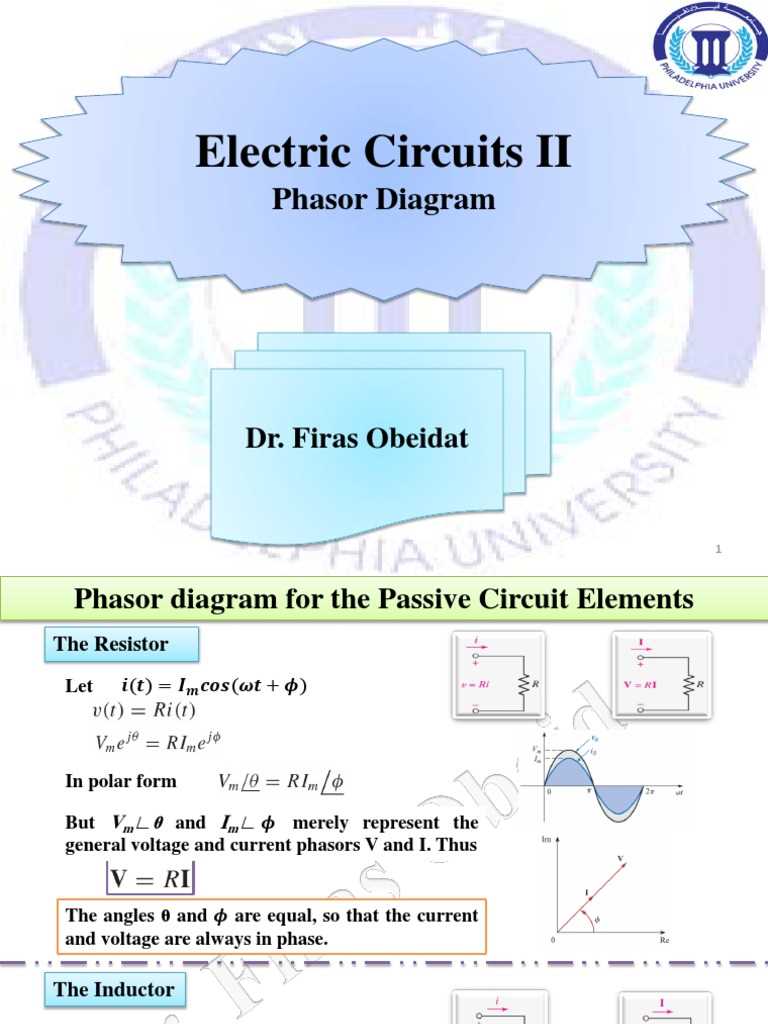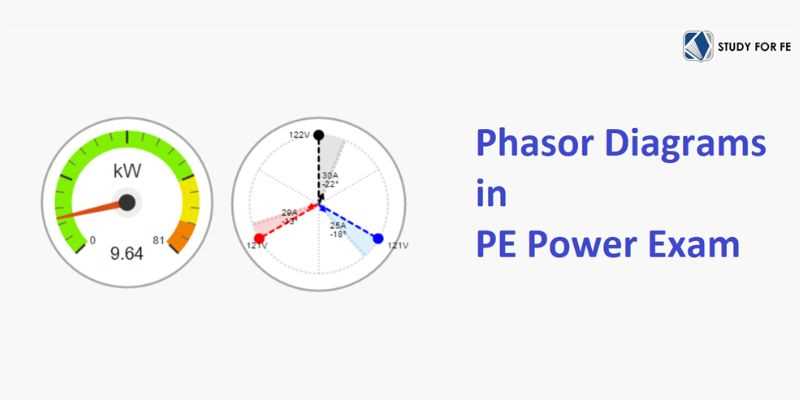
Focus on aligning voltage and current vectors accurately to determine phase relationships in alternating current setups. Mark the reference axis clearly to prevent misinterpretation of angles between components.
Use consistent scaling for all vectors so amplitude comparisons remain precise. For instance, if one unit represents 10 volts, apply the same scale for current magnitudes to maintain proportional accuracy across the model.
Separate reactive and resistive elements visually when constructing the vector model. Represent inductive and capacitive contributions with perpendicular components to quickly identify leading or lagging behavior in the system.
Label each vector with magnitude and phase angle to simplify calculations of total voltage or current. Combining multiple sources or loads becomes straightforward when each component is explicitly defined in the vector layout.
Understanding Vector Representations in AC Networks
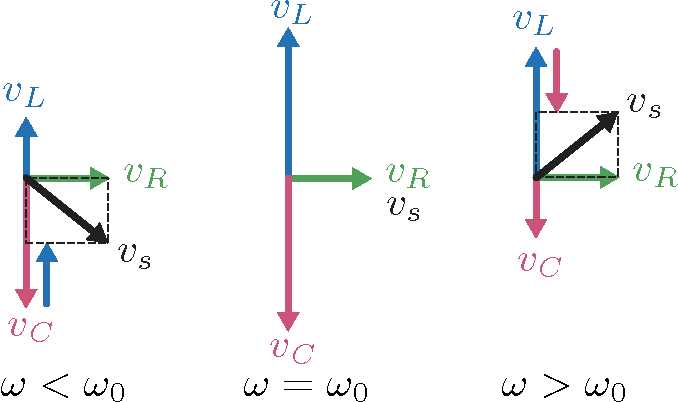
Always plot voltage and current as separate vectors with a common reference axis to identify phase differences accurately. Label each vector with its magnitude and angle in degrees for clarity.
Maintain consistent scaling across all vectors to avoid misleading interpretations of relative amplitudes. Use a fixed unit per volt or ampere to preserve proportionality between different components in the system.
Inductive elements should be represented perpendicular to resistive ones to visualize lagging current behavior. Capacitive components appear ahead of the reference, highlighting leading currents in the network.
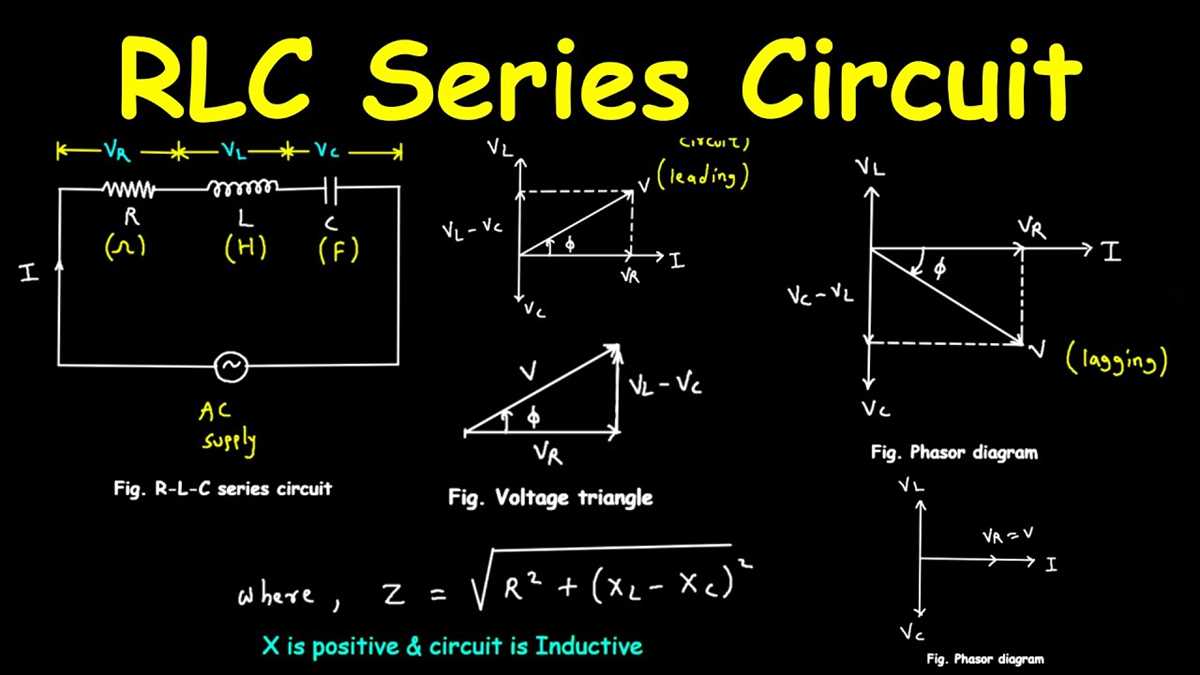
Combine vectors using tip-to-tail addition to compute total voltage or current in multi-element setups. This approach helps in accurately determining net magnitudes and phase angles for complex arrangements.
Differentiate sources and loads visually by using distinct colors or line styles for each vector. This method allows quick identification of contributions from generators versus reactive or resistive components.
Check consistency with measured values by comparing calculated angles and magnitudes against actual readings. This step confirms that the vector model reflects the real system behavior.
Use reference vectors for common phase tracking to analyze multiple branches in a network. Establishing a fixed zero-degree axis simplifies comparison of phase shifts across different elements.
Regularly update the vector layout when circuit modifications occur, such as adding new loads or sources. Keeping the model current ensures accurate phase and amplitude representation for ongoing analysis.
Interpreting Phase Angles for AC Voltage and Current
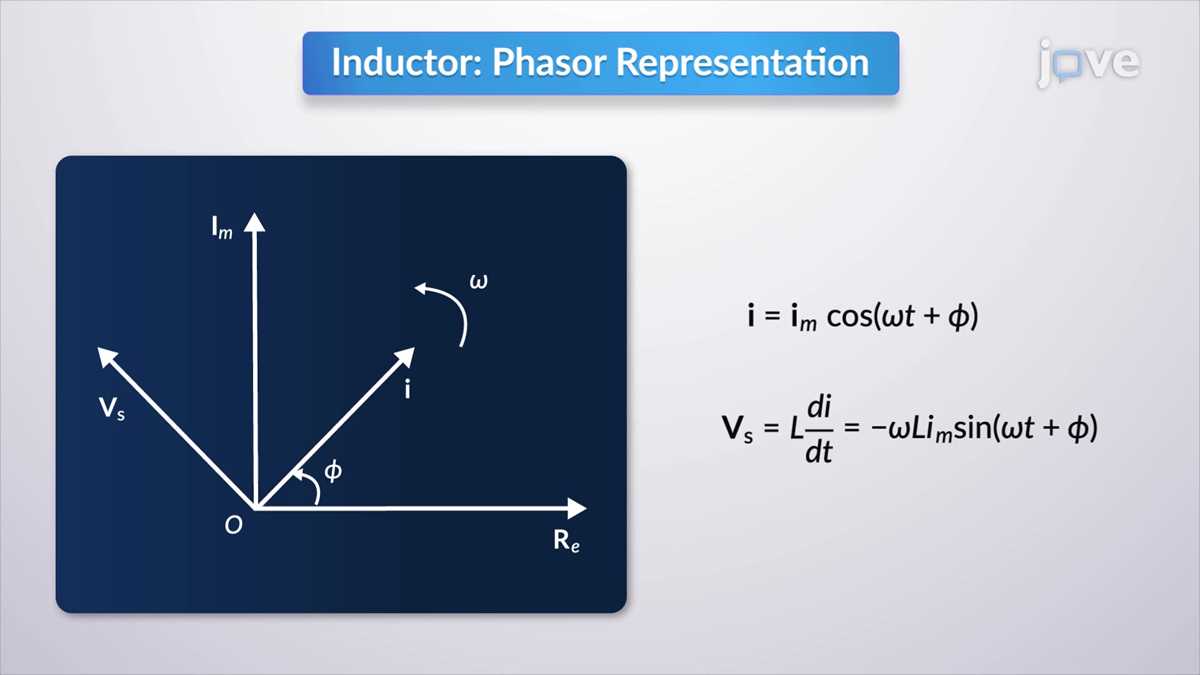
Measure the angle between voltage and current vectors directly from the reference axis to determine whether the load is predominantly resistive, inductive, or capacitive. A small angle near zero indicates resistive behavior.
Lagging current indicates inductive loads, where the current vector trails behind the voltage by up to 90 degrees. Use this information to adjust compensation or sizing of reactive elements in the network.
Leading current occurs with capacitive elements, where the current vector advances ahead of the voltage. Identifying this phase relationship helps in preventing resonance and overvoltage conditions in sensitive components.
Calculate power factor using the cosine of the phase angle. A lagging angle reduces the factor below unity, affecting energy efficiency and increasing reactive power in the system.
Combine multiple sources and loads by vector addition to determine the net phase angle across a section of the network. This process allows accurate assessment of total current draw and voltage alignment.
Monitor changes in phase angles during system adjustments. Switching capacitors or inductors in or out will shift angles, and continuous observation ensures stability and proper load sharing among branches.
Use graphical representation for quick interpretation. Position vectors tip-to-tail on a uniform scale to visualize shifts in angles and their impact on power flow, voltage drops, and overall system behavior.