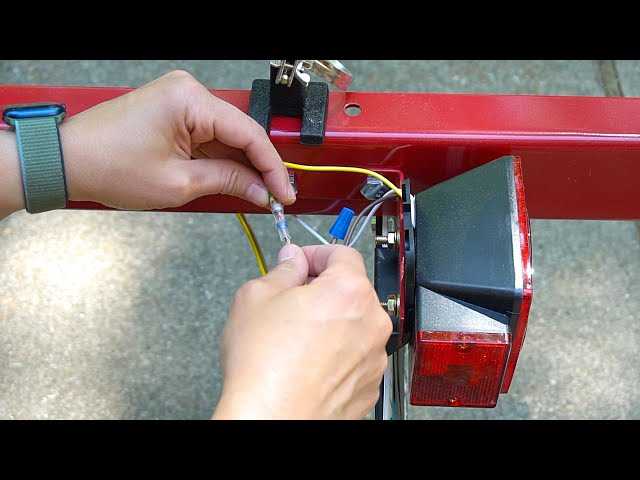
Start by ensuring all necessary components are available before beginning the installation. You’ll need a proper power connection, grounding wire, and various color-coded cables to manage different functions such as brake lights, turn signals, and running lights. Properly identifying each cable and ensuring the right connections will prevent malfunction or short circuits down the line.
Make sure to carefully route the wires along the frame, securing them to avoid friction or damage. Use high-quality connectors to ensure a solid electrical connection. Each connection should be checked for stability and functionality to avoid power loss or lighting issues. Securing your wires properly also ensures long-term durability, especially when exposed to harsh weather conditions.
Once all connections are made, it’s essential to test the system thoroughly before regular use. Start by activating the brake lights, turn signals, and other electrical components to ensure everything operates correctly. If any issues arise, double-check for loose or improperly connected wires. Rework any problematic areas to ensure reliability and safety during use.
Utility Trailer Wiring Setup
Before you start, ensure that the vehicle’s electrical system is turned off. This will prevent any risk of short-circuiting during the installation process. Gather all required components, including a proper harness, connectors, and a power source. Having everything ready before you begin will streamline the process and reduce the chances of mistakes.
Begin by connecting the power source to the main terminal. Attach the positive and negative leads from the vehicle’s power supply to the appropriate terminals on the connector. Make sure the connection is solid to avoid any electrical issues while in use. It is also important to use appropriate connectors that can handle the required current without overheating.
Once the power source is connected, move on to linking the components. Start with the brake lights, which require a separate connection for proper functioning. For turn signals and running lights, ensure that each connection is securely fastened and correctly wired. Using different color-coded wires will help keep things organized and avoid confusion during the setup.
Next, check all your connections to ensure everything is wired correctly. A common mistake is improper grounding or loose connections, which can cause electrical failures. Test each connection using a voltage tester to confirm that power is being transmitted properly to each light or function. If any light is not functioning, trace back the connection and look for errors.
After ensuring everything is connected and functional, secure all the wires along the frame. Use cable ties or clamps to prevent movement and exposure to external elements that could cause wear or damage over time. Once everything is firmly in place, run a final test to check the full system operation before taking the vehicle on the road.
Step-by-Step Guide to Connecting the Trailer Wiring
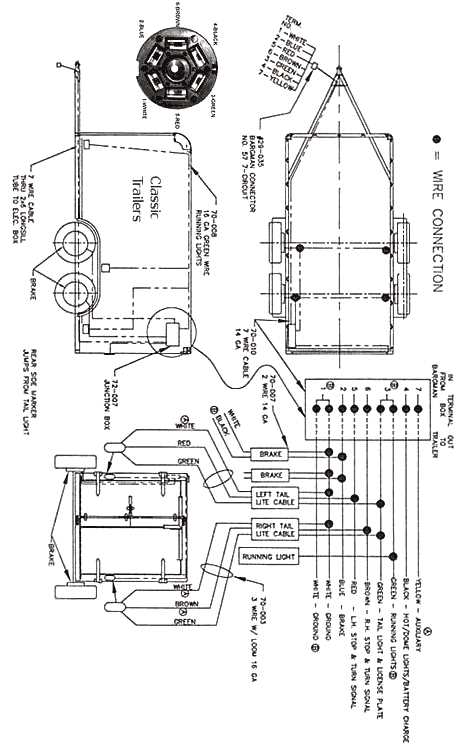
Begin by ensuring the vehicle’s electrical system is turned off. This is the most critical first step to prevent electrical shock or short-circuiting while working with the system. Gather all the necessary equipment such as a wiring harness, wire connectors, power source, and basic tools for stripping and securing the cables.
Next, connect the ground wire. It should be attached to a clean, rust-free metal surface on the frame of the vehicle. A poor ground connection will lead to faulty operation, so be sure that the connection is secure. Use a wrench to tighten the bolt and ensure that there is no movement.
Once the ground is properly connected, move on to the power supply. This typically involves connecting the positive lead from the vehicle to the connector for the electrical system. Ensure that you use a connector that can handle the current and securely attach it to the vehicle’s power terminal. A loose or weak connection will cause the lights and signals to malfunction.
With the power connection in place, proceed to the lights. Each light or signal requires a separate wire. Start with the brake lights by connecting the corresponding wire from the power supply to the brake light terminals. This is one of the most critical connections, so ensure that the wire is securely connected and insulated to prevent short circuits.
After the brake lights are connected, move to the turn signal and running lights. Use the appropriate color-coded wires for each, making sure to follow the correct color-to-function correspondence. As you connect each wire, double-check for any signs of exposed wiring, which can result in short-circuiting or failure of the system.
Once all the light connections are made, it is time to test the system. Activate the vehicle’s power and check the brake lights, turn signals, and running lights to ensure that everything is functioning as it should. If any light is not working, trace the connection back to its source to identify any loose or incorrect connections.
Finally, secure all the wires along the frame. Use cable ties or wire clamps to hold everything in place, keeping wires from rubbing against any sharp edges or being exposed to moving parts. Proper cable management will reduce wear and ensure long-term reliability. Once the wires are secured, conduct one last test of the electrical system to verify all connections are properly installed and working as expected.