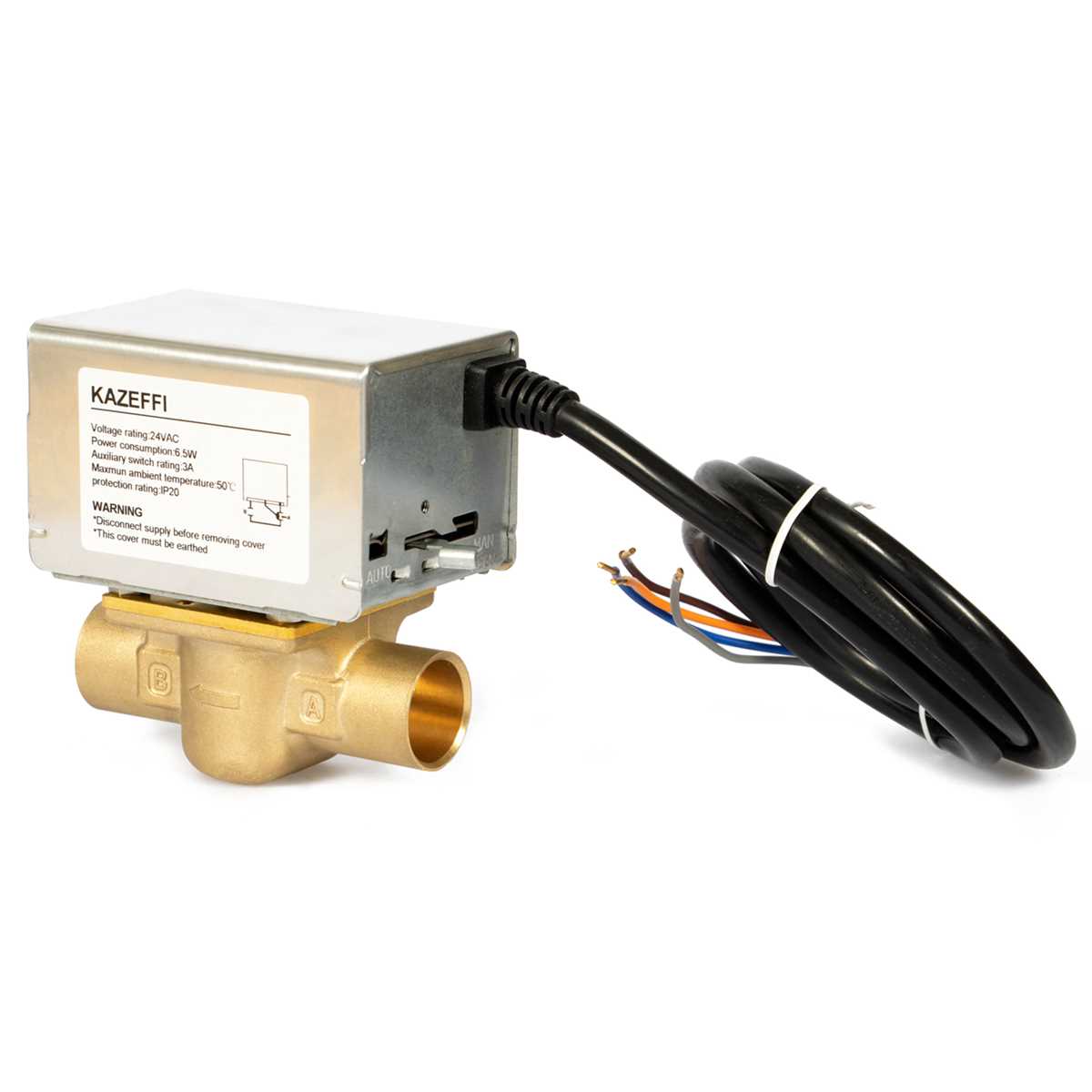
Connect the actuator’s live wire directly to the switched power output from the thermostat to ensure immediate response when the heating or cooling circuit is activated.
Attach the neutral and common lines to the designated terminals on the actuator motor to maintain proper circuit continuity and prevent electrical faults during operation.
Use color-coded or labeled wires to differentiate between signal, power, and common connections. This reduces errors during installation and simplifies future maintenance.
Verify the actuator position feedback by measuring voltage across the end switch terminals. Correct readings indicate proper engagement with the motor mechanism.
Secure all terminal screws to prevent loose contacts that could lead to intermittent operation or motor stalls. Apply a small amount of dielectric grease if terminals are exposed to moisture.
Test the complete setup by simulating a call for heat or cooling from the thermostat. Ensure the actuator opens and closes fully and that the control signals are accurately transmitted.
Electrical Connection Guide for Actuators
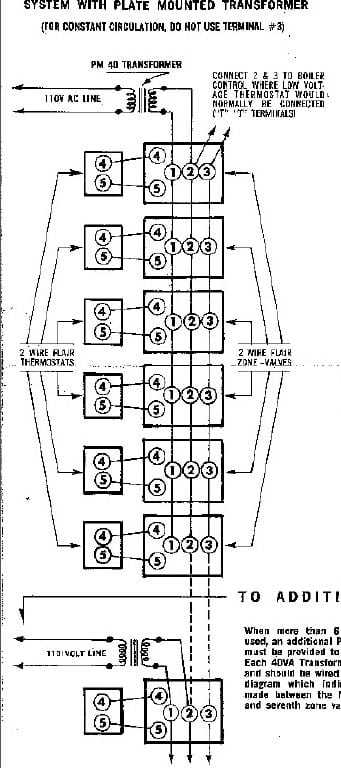
Connect the live feed directly to the actuator input terminal to ensure immediate operation when the thermostat calls for heating or cooling. Use secure, properly rated wire to handle the current load.
Attach the neutral line to the corresponding terminal to maintain a complete circuit. Confirm continuity before energizing the system to prevent short circuits or blown fuses.
Link the common wire from the controller to the actuator’s common terminal. This allows the control signal to operate reliably across multiple units without signal loss.
Signal and Feedback Connections
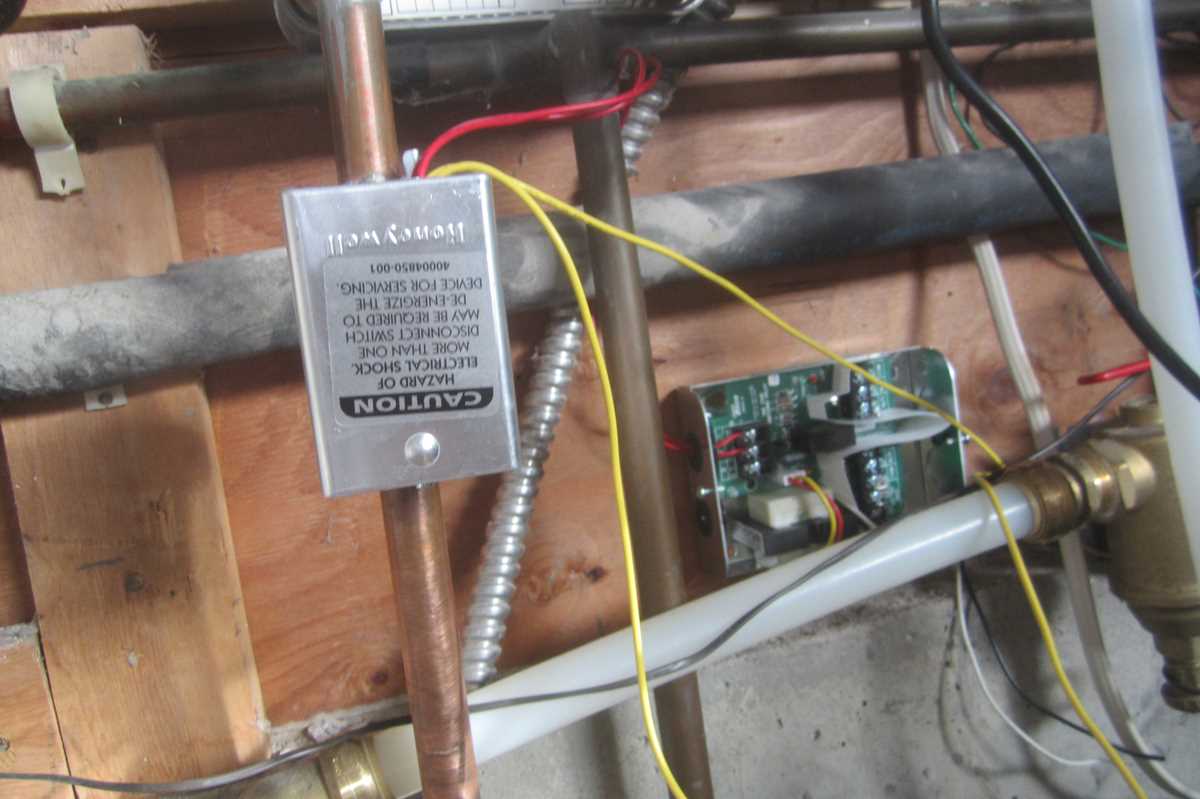
Connect end switch or feedback terminals to the controller to indicate actuator position. Measure voltage during opening and closing to ensure accurate status reporting to the control panel.
Double-check all terminal screws and connections to prevent intermittent contact. Loose connections can cause motor stalls or incomplete actuation cycles, affecting system performance.
Testing and Verification
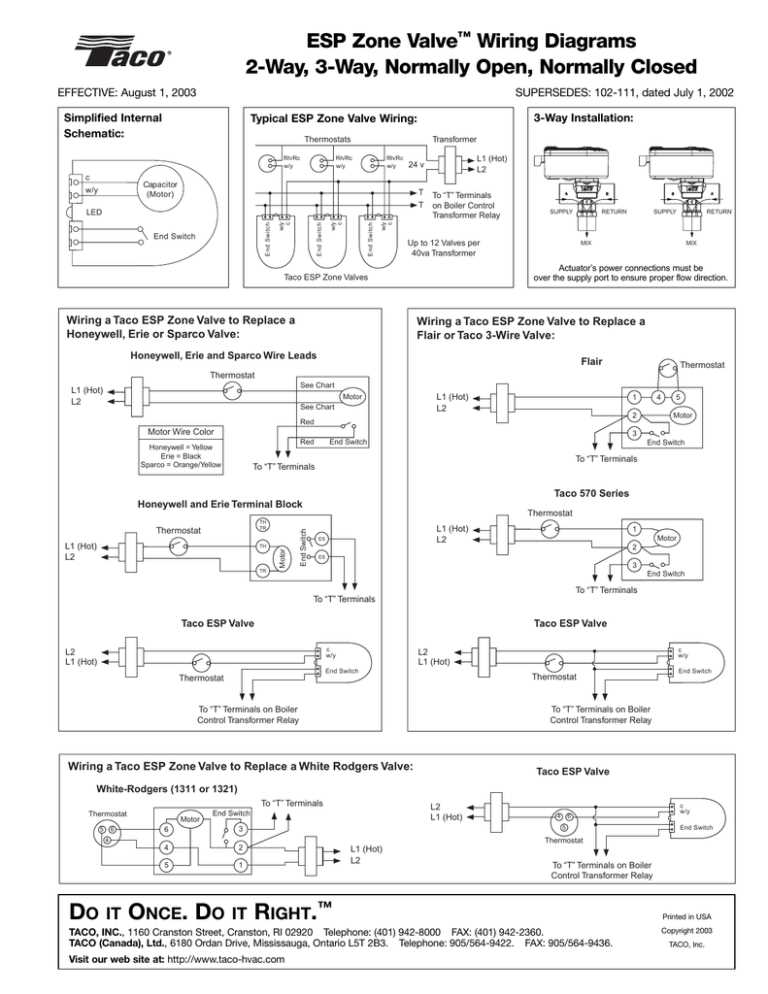
Simulate a call from the thermostat to confirm the actuator responds correctly. Observe that it fully opens and closes and that feedback signals are consistent with the motor movement.
Connecting Power and Common Wires to the Actuator
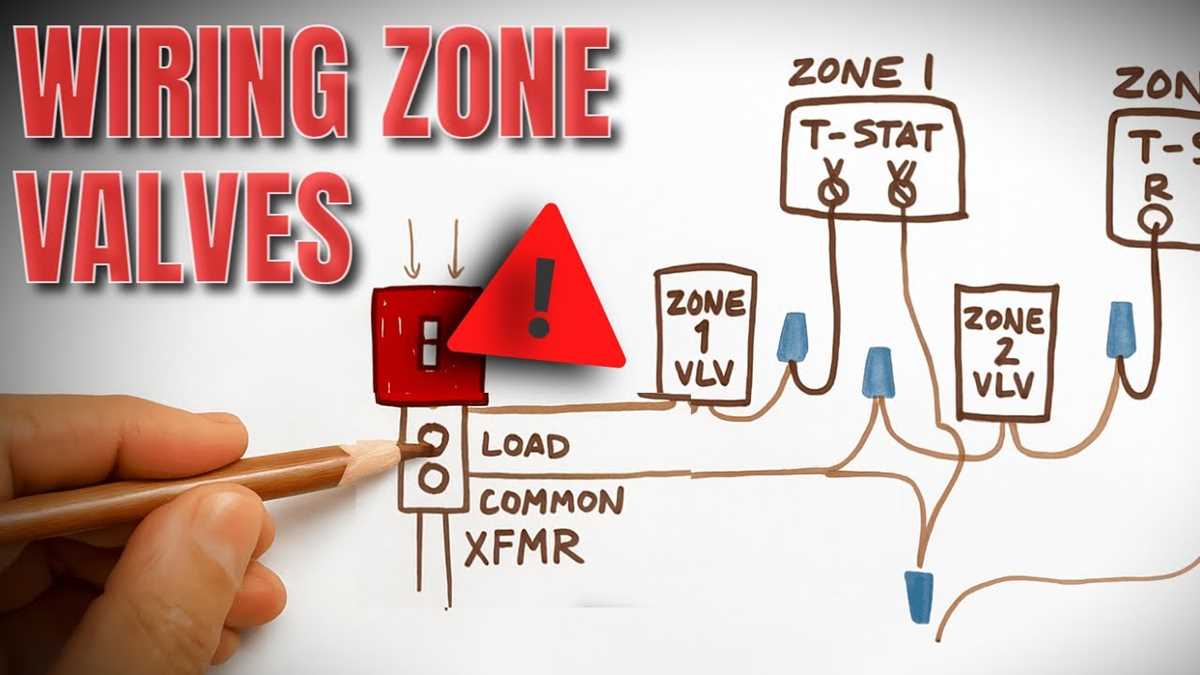
Attach the live feed directly to the actuator’s power terminal using properly rated wire to handle the operational current. Ensure the connection is tight and insulated to prevent arcing or shorts.
Connect the neutral or return line to the designated common terminal on the actuator. Proper continuity ensures smooth operation and prevents erratic motor behavior.
- Use color-coded wires to differentiate power and common lines.
- Secure all terminal screws firmly to avoid intermittent contact.
- Check that wire lengths allow full actuator movement without strain.