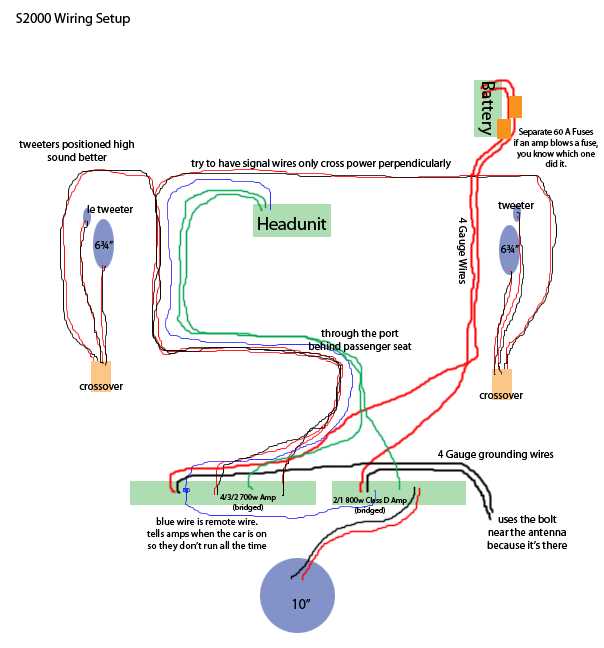
Start by connecting the power lead directly to the battery terminal using a 10 to 12 gauge copper cable and include a fuse within 18 inches to prevent voltage spikes. Ensure the grounding point is bare metal on the vehicle chassis with minimal paint or rust for stable current return.
Signal lines should be routed separately from high-current cables to reduce interference. Use shielded connectors for input sources and maintain short, direct paths between components for cleaner sound transfer and reduced noise.
Remote turn-on control should be linked to the head unit output using a 16 gauge wire to avoid voltage drop and ensure synchronized activation with the system. Incorporate inline fuses or breakers to safeguard against accidental shorts.
Speaker connections must match impedance ratings of each component and be secured with crimped or soldered terminals. Confirm polarity on all leads to maintain phase alignment and prevent distortion or signal cancellation.
Organize all cabling using clamps or protective tubing to prevent abrasion and vibration damage during vehicle motion. Regularly inspect connectors and terminals for corrosion or loosened contacts to maintain long-term reliability and consistent sound quality.
Complete Car Audio Amplifier Wiring Diagram for Accurate Connections and Setup
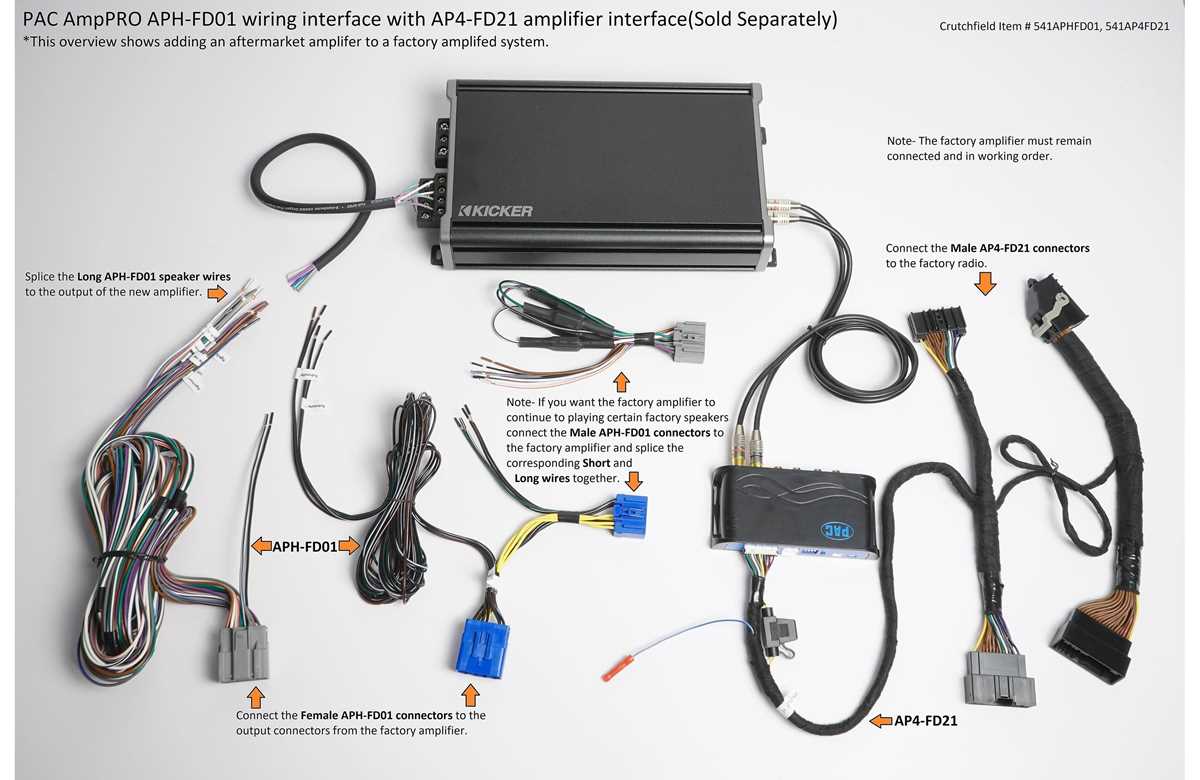
Connect the main power line directly to the battery terminal using a 10 gauge copper conductor and install a 30A fuse within 12–18 inches from the source to prevent overloads and voltage spikes.
Ground the unit to a solid chassis point free of paint and corrosion. Use a short wire under 18 inches with a secure bolt connection to maintain stable current return and reduce noise interference.
Route signal cables separately from high-current lines to avoid electromagnetic interference. Shielded RCA leads or twisted-pair cables help maintain signal clarity across longer runs.
- Use crimped or soldered connectors on all terminals.
- Confirm polarity for each speaker channel to maintain proper phase alignment.
- Secure cables with clamps or zip ties to prevent vibration wear.
Remote turn-on lead should connect to the head unit output using 16–18 gauge wire. This ensures the system powers on simultaneously with the source and prevents accidental activation.
Match the impedance of each speaker load to the rated input of the unit. Avoid bridging mismatched channels, which can cause overheating and distortion in the system.
- Double-check all connections for tightness and corrosion.
- Test low-volume playback before full operation to detect any shorts or signal loss.
- Label cables to simplify future maintenance or upgrades.
Maintain protective tubing or split loom around exposed runs to guard against abrasion, heat, and moisture. Regular inspection ensures stable performance and longevity of all components.
Connecting Power and Ground Wires for Safe Amplifier Operation
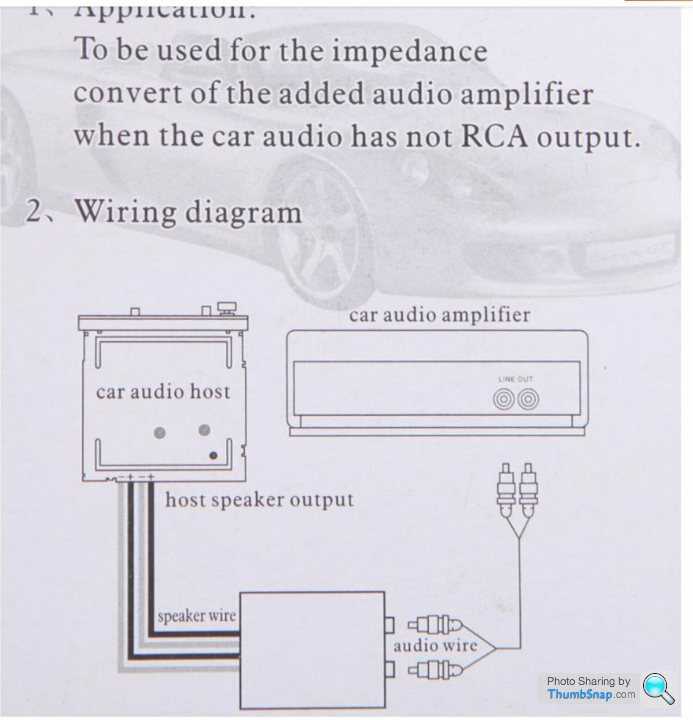
Run the positive lead directly from the battery using a 10 gauge copper conductor and place a 30A fuse within 12–18 inches of the terminal. This prevents voltage surges and protects downstream components from short circuits.
Select a grounding point on bare metal of the chassis near the installation location. Ensure the surface is clean and corrosion-free, and use a short wire under 18 inches to maintain low resistance and prevent hum or interference.
Separate high-current lines from signal cables to reduce electromagnetic interference. Route the main feed along protected paths, avoiding sharp bends or contact with moving parts that could damage insulation over time.
Secure all connections with crimped or soldered terminals and periodically inspect for loosening or corrosion. Properly torqued bolts and protective coverings extend the lifespan of the system and maintain consistent performance.