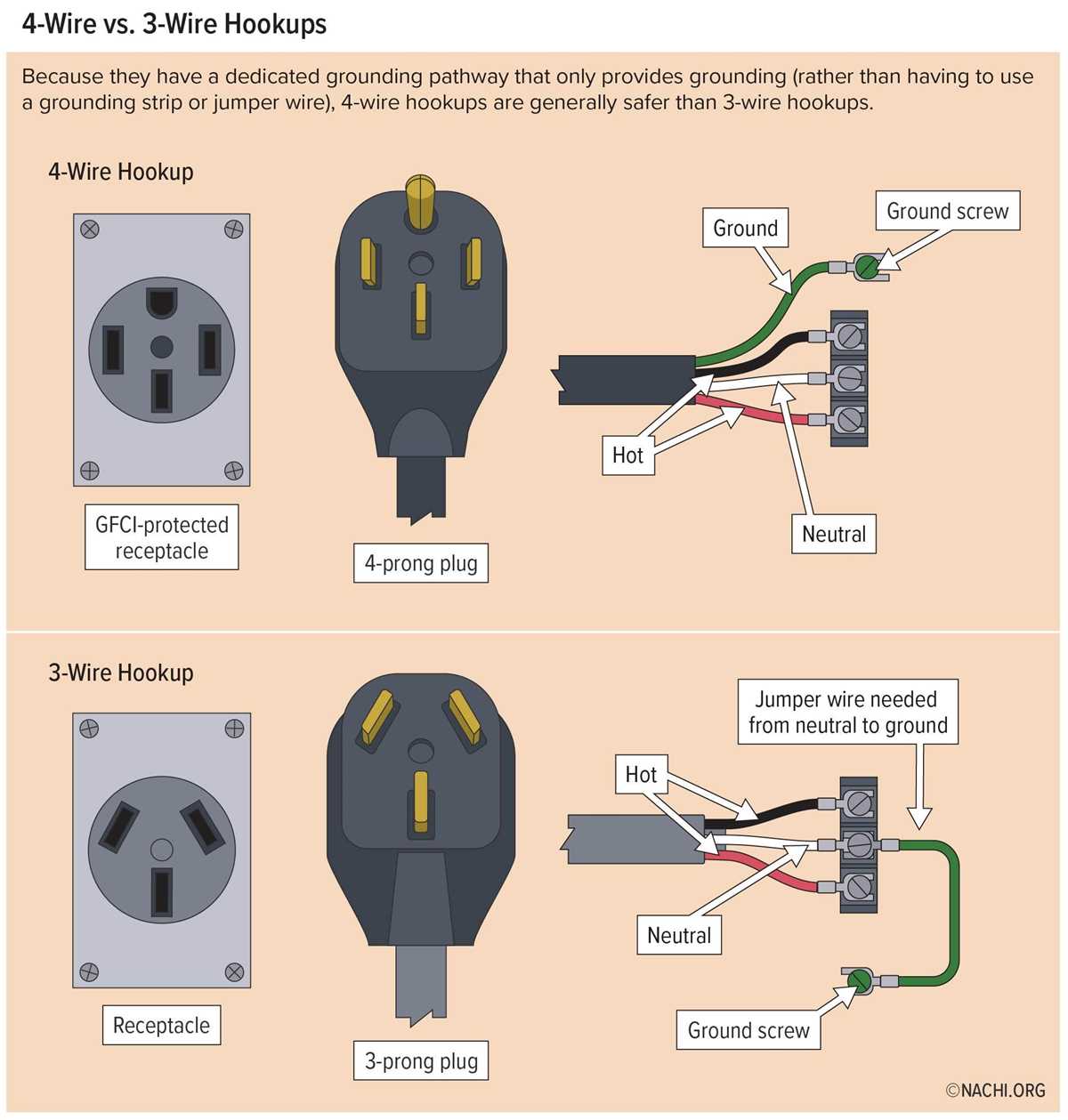
Connect the live black conductor to the correct terminal first to prevent short circuits or overheating. Use a voltage tester to confirm the line before making any attachments.
Match the neutral white wire to its designated slot to maintain balanced current flow and avoid electrical faults. Ensure the metal connectors are fully inserted and secured with screws.
Attach the green grounding wire last to complete the safety loop. This reduces the risk of electric shock and ensures compliance with standard household electrical codes.
Inspect each joint for tightness and proper insulation to prevent loose connections that can cause sparking or fire hazards. Use heat-resistant tape around exposed areas if necessary.
Step by Step Assembly for a Three Wire Power Cable
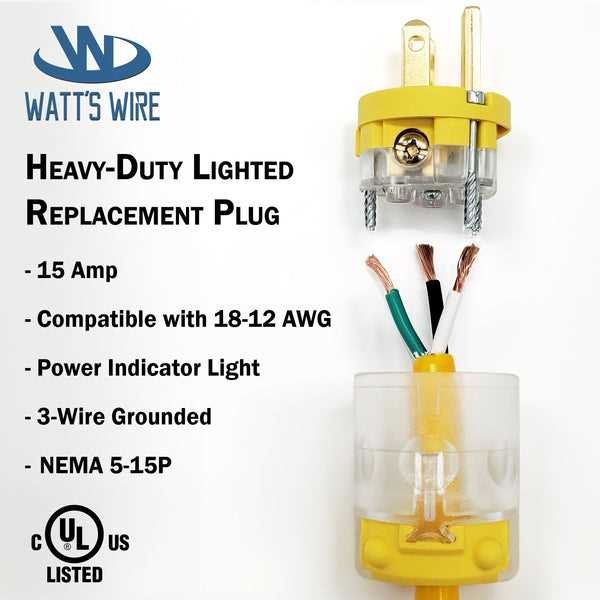
Begin by stripping about half an inch of insulation from each conductor using a wire stripper to expose clean copper ends. Identify the line, neutral, and ground conductors by color: black for live, white for neutral, and green for ground. Secure each wire to its corresponding terminal using a screwdriver, making sure there is no exposed metal outside the connector.
After all connections are made, double-check the tightness of the screws and the position of the conductors. A loose black or white wire can cause sparks, while an improperly attached green lead may compromise safety. Test the assembled cable with a voltage meter to confirm proper continuity. Use electrical tape around the junctions for added insulation, and loop the cable to ensure there is no strain on the connectors.
Identifying Hot Neutral and Ground Wires for Safe Connections
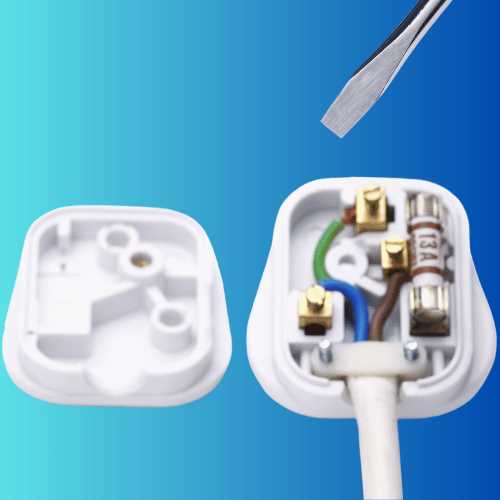
Start by inspecting the insulation colors. Black indicates the live conductor, white signals neutral, and green or bare copper marks the ground. Misidentifying any of these can result in shocks or equipment damage.
Use a continuity tester or multimeter to verify each conductor before connecting. Touch one probe to the exposed wire end and the other to the appropriate terminal on a known power source. The tester confirms correct labeling.
Check for damaged insulation along the length of each wire. Any cuts or frays can cause short circuits. Trim and re-strip the wire if needed to expose clean, safe copper ends.
Maintain consistent labeling when working with multiple cables. Use colored tape or markers to avoid mixing live and neutral lines, especially when preparing several units for installation.
Ensure the grounding conductor is continuous from the plug to the metal housing of the appliance or outlet. A broken or poorly attached ground defeats safety measures and increases the risk of electrocution.
After connections, perform a voltage check between live and neutral, live and ground, and neutral and ground. Proper readings confirm each wire is correctly identified and connected, preventing faults when power is applied.
Always tighten terminal screws securely and avoid over-bending the wires. Loose connections create resistance, which leads to heat buildup, while stressed wires can snap under tension, compromising the entire assembly.