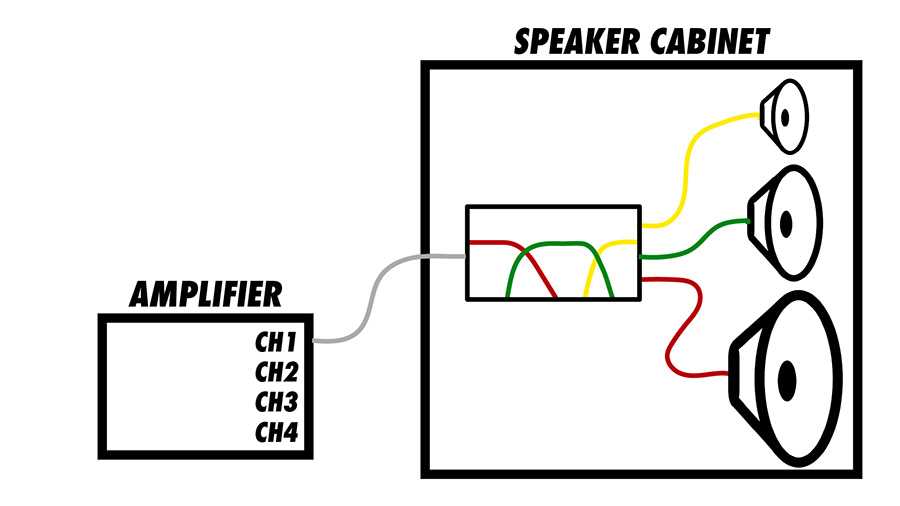
Start by selecting the correct components for your frequency divider. Use capacitors and inductors that match the specifications for the desired crossover points in your audio system. Be sure to verify their ratings before connecting them to avoid any performance issues.
Wire the components in series or parallel based on your design. Typically, you’ll connect the capacitor in series with the signal path for high-pass filtering, while the inductor will go in series for low-pass filtering. This ensures that only the intended frequencies pass through to each speaker driver.
Choose the appropriate cutoff frequencies based on your speaker drivers’ capabilities. A high-pass filter will direct higher frequencies to tweeters, while a low-pass filter will send lower frequencies to woofers. Accurate placement of components is critical for optimal sound quality.
Before finalizing the build, verify that all connections are solid and that there are no short circuits. Loose connections can lead to signal loss or distortion. After assembly, test the system with a signal generator to ensure that the frequencies are being properly routed to each driver.
Passive Filter Design Guide
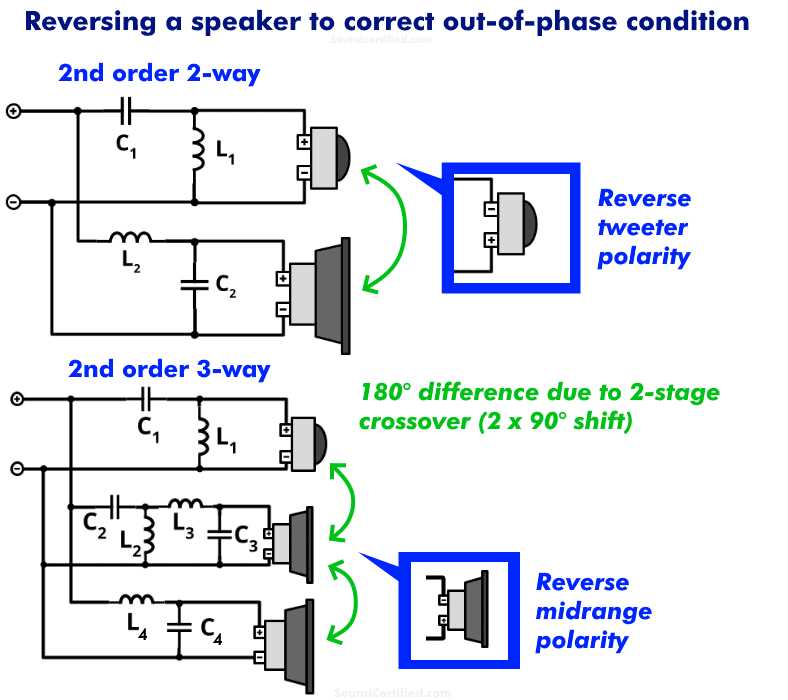
When designing a frequency divider network, the first step is to determine the desired cutoff frequency. This is the point where signals above or below will be attenuated. To calculate this, use the formula:
f_c = 1 / (2π√(LC)), where “f_c” is the cutoff frequency, “L” is inductance, and “C” is capacitance. By adjusting these values, you can control the frequency range of your filters.
Component Selection
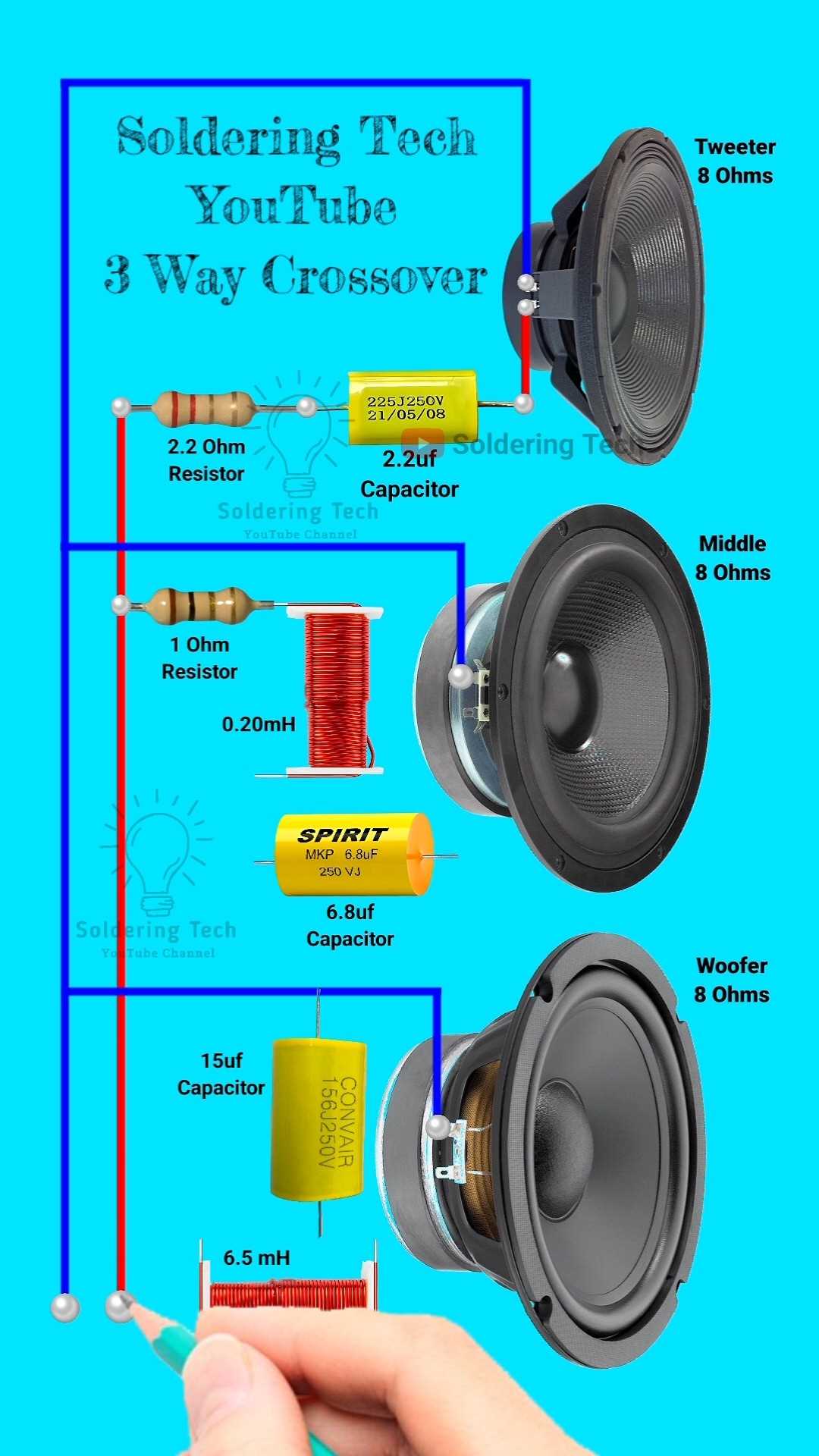
Choosing the right values for the inductors and capacitors is key to ensuring the desired performance. For high frequencies, use smaller inductances and capacitors to maintain compactness. Low frequencies, on the other hand, may require larger components. Take into account the tolerance of components as well, as this can affect the overall filter characteristics.
Design Considerations
Placement of components directly impacts filter performance. To minimize signal distortion and impedance mismatch, arrange the components so they form a smooth transition from one frequency band to another. This setup will ensure better sound clarity and response time, especially in applications like audio or signal processing.
For a steep cutoff, consider using higher-order designs by adding more reactive components. However, beware that this can introduce higher losses, so finding the balance between performance and efficiency is essential. Always test the assembled design with an oscilloscope or frequency analyzer to confirm the filter meets the required specifications.
Understanding the Components of a Passive Signal Filter
The primary elements of a signal filtering network include inductors, capacitors, and resistors. These components shape the frequency response of the network, ensuring the desired frequencies pass through while blocking others. Proper selection and combination of these parts can create filters that divide signals efficiently, directing them to the appropriate drivers or amplifiers.
Inductors are crucial for blocking high frequencies. They work by opposing changes in current and are used in high-pass filters to prevent low-frequency signals from passing through. The size of the inductor and its inductance value determine the cutoff frequency, making it key to filtering efficiency.
Capacitors, on the other hand, excel at blocking low frequencies and passing higher ones. In low-pass filters, capacitors bypass high-frequency signals, ensuring only lower frequencies reach the designated output. The capacitance value is directly linked to the cutoff frequency, which affects how the filter behaves across a range of signals.
Resistors are included in many designs to set the impedance and control the power flow through the components. By limiting current, resistors can smooth the transition between different frequency ranges, ensuring a steady output without distortion or excessive attenuation.
The arrangement of these components can vary significantly depending on the specific application. For instance, series and parallel configurations impact the filter’s performance in terms of cutoff steepness and signal loss. A properly designed network ensures minimal signal degradation while achieving effective frequency separation.
Choosing the right component values is a balancing act. Too much capacitance or inductance can lead to over-filtering, where essential parts of the signal are lost. On the flip side, inadequate values might let unwanted frequencies pass through, resulting in less clarity and efficiency.
Testing and tuning are often necessary to refine the performance of these filters. Using an oscilloscope or signal analyzer can help measure how different configurations impact the frequency response, allowing for real-time adjustments to optimize performance.