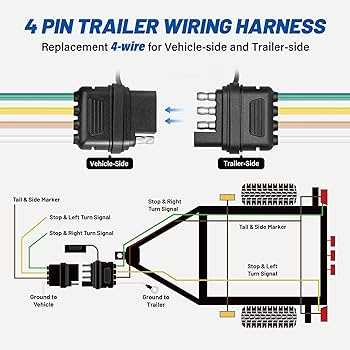
To properly set up a 4-pin wiring system, begin by identifying the correct color code for each pin. This ensures each function is correctly routed, preventing errors in powering lights, brakes, and ground connections. The standard color coding will guide you through the process, with the common setup being white for ground, brown for tail lights, yellow for left turn signals, and green for right turn signals.
After identifying the pins, it’s important to securely attach the wires to the corresponding terminals. Double-check your connections to ensure the correct polarity. For longer-term durability, consider using heat shrink tubing or other weather-resistant insulation to protect the wires from the elements. This will prevent corrosion and maintain the integrity of the setup over time.
If you’re working with an existing system, troubleshooting becomes vital. Test the functions after installation using a circuit tester to confirm that the lights and signals work as expected. If something isn’t functioning properly, verify the connection at each terminal to ensure a tight and correct fit. Look for any potential loose wires or faulty connections that could be causing issues.
Trailer Connector Wiring Setup 4 Pin System
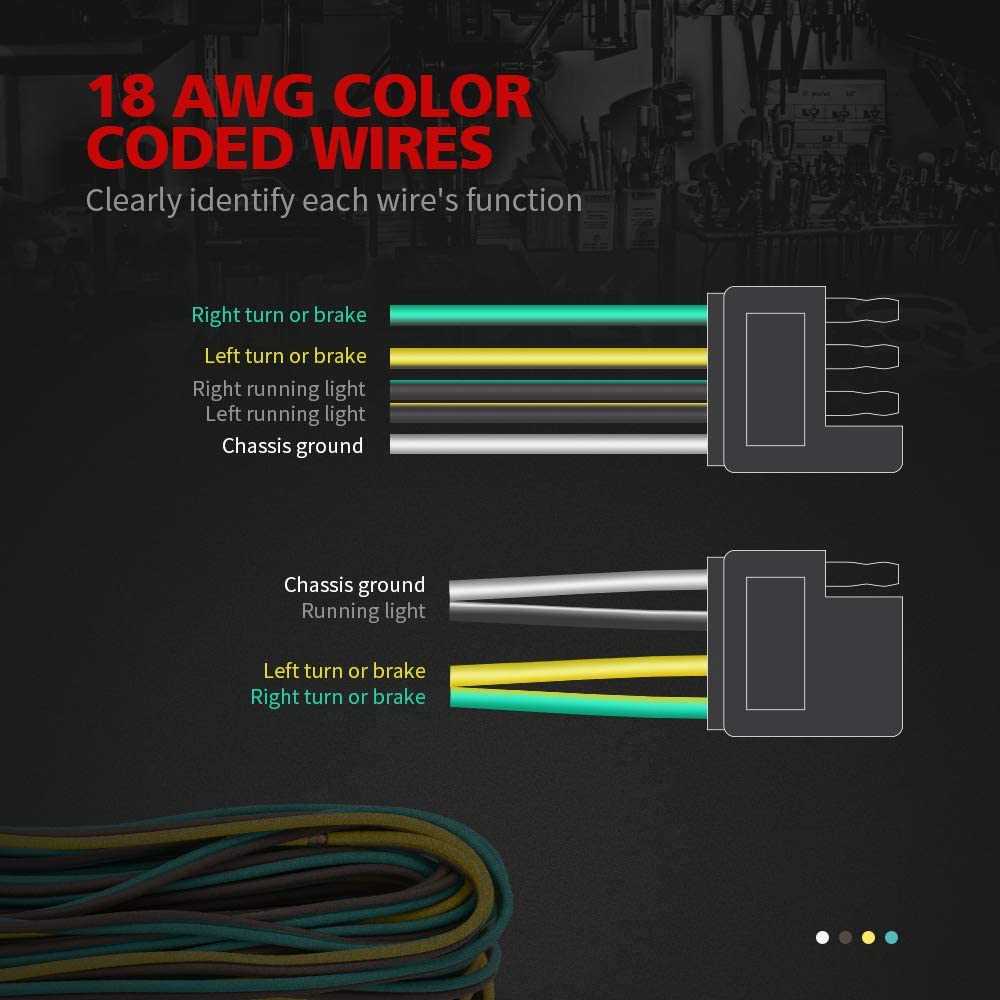
Start by ensuring you have the correct cable and connectors for a 4-pin configuration. The four terminals typically correspond to specific functions: ground, left turn signal, right turn signal, and tail lights. The standard color coding for this setup is white for the ground, yellow for left turn, green for right turn, and brown for the tail lights.
Before making any connections, strip the insulation from the ends of the wires carefully, ensuring that you expose just enough copper to make a solid contact without leaving any bare wire exposed. This reduces the risk of accidental short circuits or poor connectivity.
When securing the wires to the pins, ensure that each wire is tightly secured and that there is no chance of it slipping out during movement. Using a small amount of solder or a crimping tool will provide a more reliable connection than twisting the wires together by hand.
For outdoor environments, it’s important to protect your connections from the elements. After securing each wire, apply a layer of electrical tape or heat shrink tubing. This will help prevent water from infiltrating the connections, which could lead to corrosion over time.
If you are using an existing setup, double-check each connection to ensure no wires are damaged or frayed. Even a slight break in a wire can lead to malfunction, so it’s essential to inspect everything before final installation.
Once the connections are made, it’s important to test the entire system. Use a tester or a multimeter to verify the proper functioning of each pin. Check the left and right turn signals, tail lights, and the ground connection. This ensures that each function is routed to the correct terminal and working as intended.
If you encounter issues during testing, inspect each connection and look for signs of damage or loose fittings. Tighten connections and recheck. If the issue persists, test for continuity to ensure there is no break in the wire between the vehicle and the trailer.
By following these steps and taking your time, you can ensure a reliable and durable connection between your vehicle and your load-bearing unit, whether it’s for simple lighting or more complex systems. The key is ensuring each wire serves its correct function and remains secure throughout the life of the connection.
Step-by-Step Guide to Wiring a 4 Pin Connection
Start by gathering the necessary materials: a 4-pin plug, wire strippers, crimp connectors, and electrical tape. Select wires with appropriate insulation, ensuring each color corresponds to a specific function: white for ground, yellow for left turn signal, green for right turn signal, and brown for tail lights.
Next, strip the insulation from the ends of the wires. Be cautious to expose only enough copper to make a solid connection, ensuring no excess bare wire is left exposed. This will prevent short circuits and ensure a secure bond.
Attach the wires to the appropriate terminals on the plug. Insert the stripped end of each wire into the pin terminal, ensuring the connection is tight. Secure the wires using a crimp tool or a soldering iron for a more permanent solution.
After the wires are securely connected, insulate each pin with electrical tape or heat shrink tubing. This step protects the connections from moisture and wear, increasing their durability in outdoor conditions.
Finally, test each function to ensure the wiring is correct. Check the tail lights, left and right turn signals, and the ground connection for proper operation. If any issues arise, inspect each wire and connection for any damage or loose fittings.