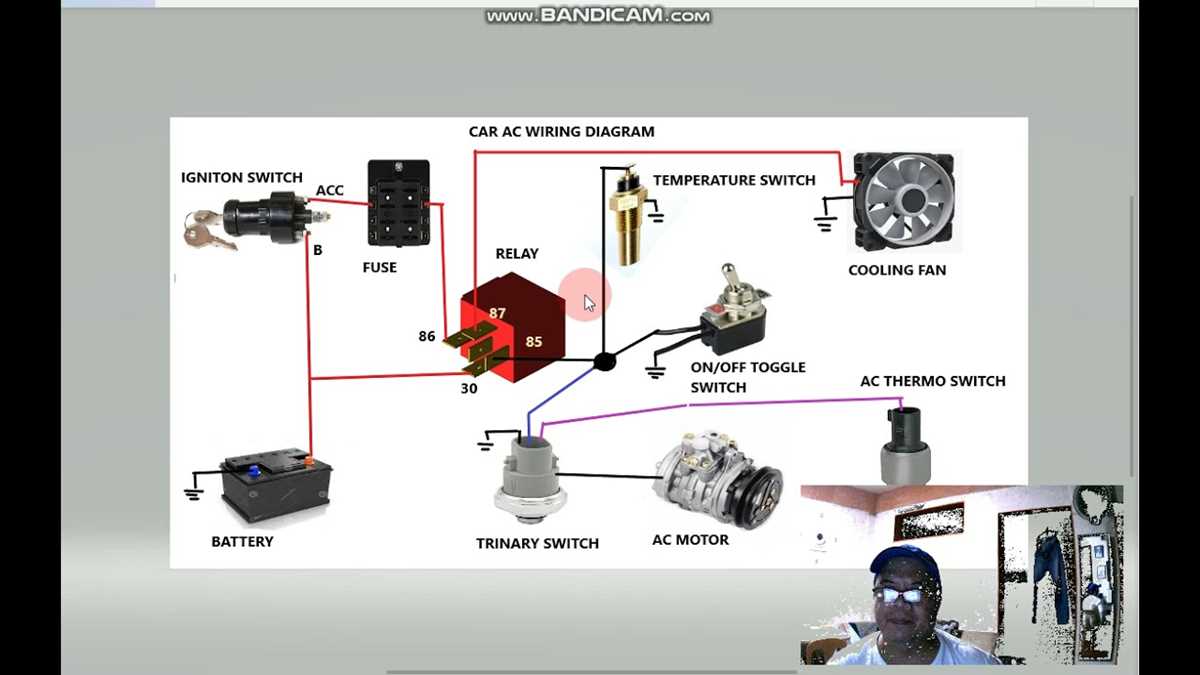
If you need to install or repair the electrical connections of your vehicle’s climate control system, it’s crucial to know the correct setup. Begin by identifying the components that control cooling and heating functions, along with their wiring. This step ensures you connect each part accurately, preventing issues down the road.
Start by determining the power supply and ground points for the system. Ensuring these connections are secure is key to avoiding electrical malfunctions. Check for any exposed wires that could short-circuit and cause further damage. Properly labeling each wire as you go along is a helpful practice to ensure everything stays organized.
Lastly, always verify the connections are tight and check for voltage across the correct terminals. Doing this can save you a lot of troubleshooting time if the system isn’t working properly after installation or repair. Be sure to consult your vehicle’s manual for specific instructions tailored to your model.
Car Climate Control Electrical Setup Guide
To ensure a proper setup of the cooling and heating system, begin by locating the main power source and grounding points. These connections need to be stable and well-insulated to avoid issues such as overheating or short-circuiting. Identify the control unit and match the connectors based on the vehicle’s manual to avoid mistakes that could affect the overall function.
Once the primary connections are secured, focus on wiring the switches, sensors, and relays. Pay attention to the voltage requirements of each part and check for any signs of wear in the existing cables. Tighten all connections properly and use heat shrink tubing to protect exposed sections. It’s also a good practice to test the system’s response to ensure everything works seamlessly before completing the setup.
How to Identify Key Components in the Cooling System
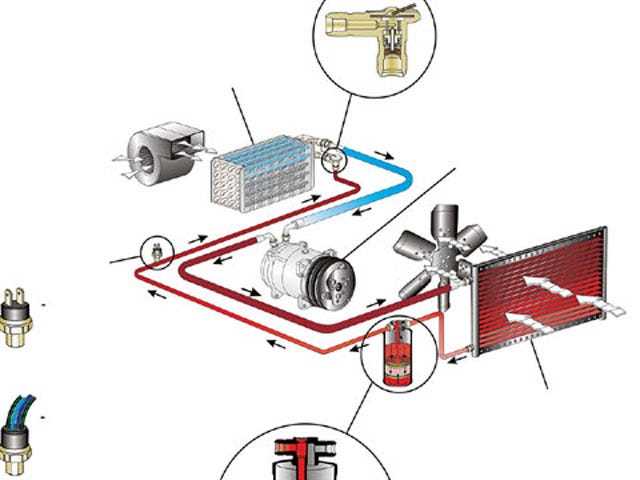
Begin by locating the compressor, which is typically the most recognizable component in the setup. It is responsible for compressing the refrigerant and pushing it through the system. The compressor is usually mounted at the front of the engine and connected to the engine belt. Check the power supply to ensure it’s receiving voltage and running smoothly.
Next, identify the condenser, located in front of the radiator. This part helps release the heat absorbed by the refrigerant as it moves from a gas to a liquid state. Ensure that the condenser fins are clear of debris to avoid overheating and poor performance. If needed, check the fan that helps cool the condenser to ensure it’s functioning correctly.
The evaporator is another critical part, usually located inside the cabin. Its job is to absorb heat from the air inside and cool it. Inspect the evaporator for any signs of leaks or corrosion. Keep an eye on the airflow and ensure there are no blockages in the vents or ducts that could reduce cooling efficiency.
Inspect the expansion valve or orifice tube, which controls the flow of refrigerant into the evaporator. If this component becomes clogged or faulty, it can disrupt the entire system’s operation. Replacing or cleaning the valve ensures the refrigerant is distributed evenly to maintain optimal cooling performance.
Don’t forget to check the accumulator or receiver-drier. This part filters moisture from the refrigerant and stores excess fluid. A faulty accumulator can cause the system to freeze or fail to cool properly. Check for signs of damage or moisture buildup, and replace it if necessary.
Ensure the refrigerant is at the proper level. An overcharged or undercharged system can lead to inefficient performance or damage to components. Use a pressure gauge to measure the system’s pressure, making sure it falls within the recommended range. If the level is low, add the appropriate refrigerant type as specified in the vehicle’s manual.
Finally, examine the control panel and thermostat. These parts manage the system’s operation, controlling the temperature and airflow. Test the switches and sensors to verify they’re functioning correctly. If the system doesn’t respond to adjustments, check for faulty wiring or damaged sensors that could hinder performance.