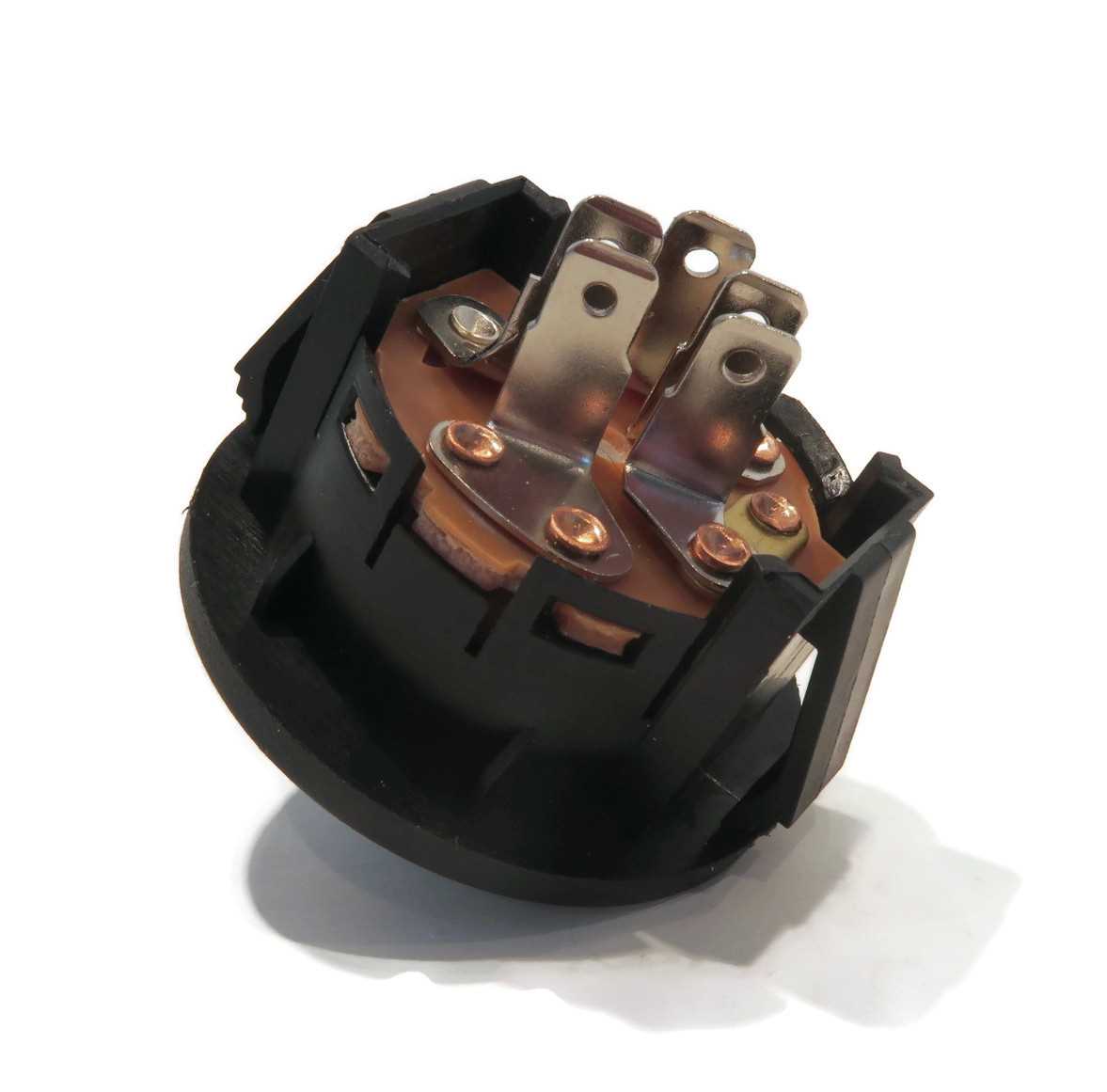
Attach the main power lead to the designated terminal on the control module. Ensure the wire insulation is intact and that connections are tightened to prevent sparking or voltage drops.
Route all secondary leads to the corresponding components following color codes. Misplaced connections can prevent startup or trigger short circuits.
Secure terminals with lock washers or clips to maintain consistent contact under vibration. Loose connections can lead to intermittent operation or failure of the control circuit.
Test each position of the key mechanism to verify proper engagement with the starter and accessory circuits. Measure voltage at output points to ensure signals are transmitted correctly.
Check grounding points on the frame and control panel. Proper grounding reduces electrical noise and ensures reliable activation across all positions.
After completing connections, cycle the key multiple times while monitoring the engine response. Observe for delays or misfires and adjust contacts or wire placement if necessary to maintain smooth operation.
Complete Guide for Connecting Engine Control and Key Module
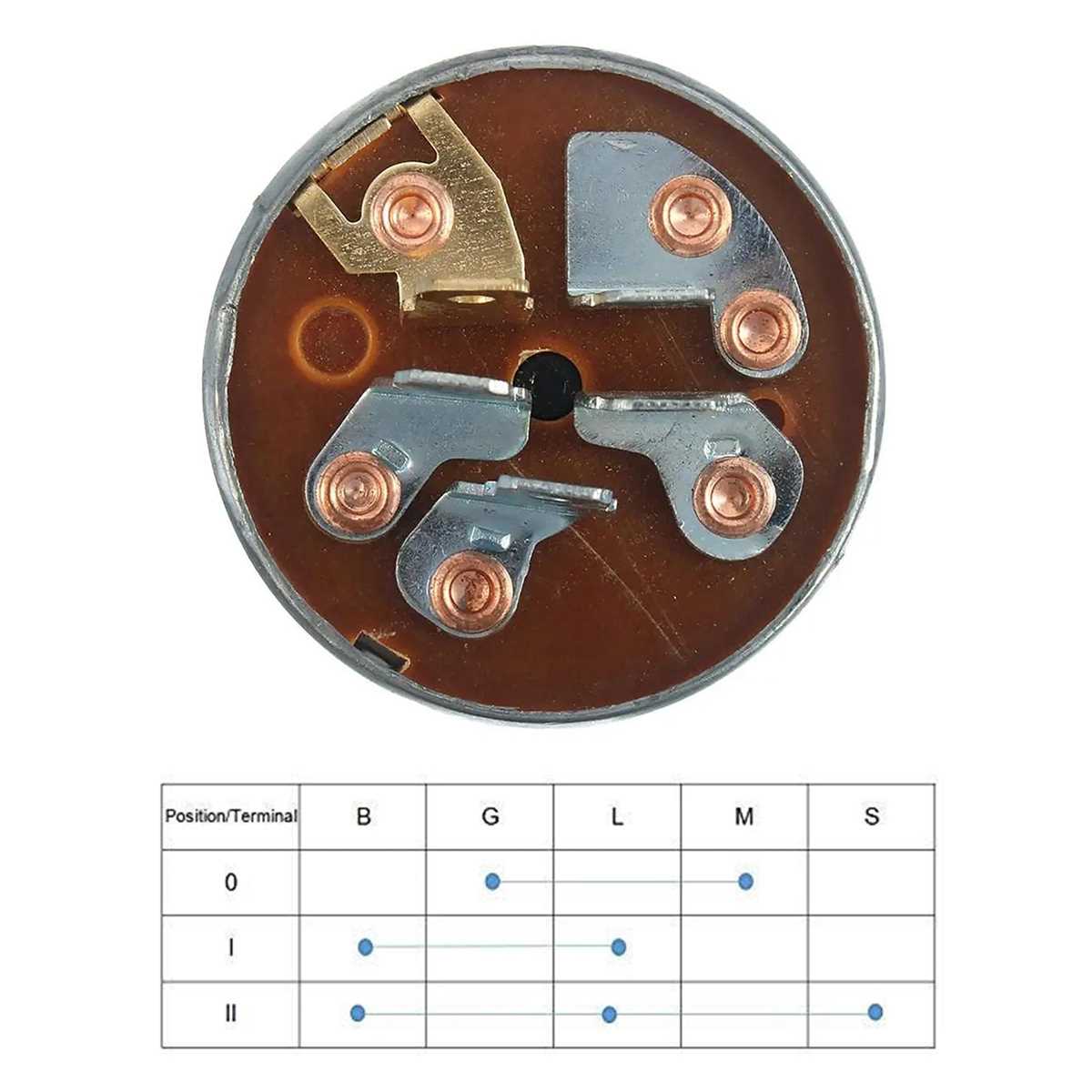
Attach the main power lead to the corresponding terminal on the key module. Check that all connections are tight and that insulation is intact to prevent sparks or voltage loss under load. Use color-coded leads to avoid confusion and maintain consistent polarity throughout the system.
- Connect starter and accessory circuits to designated terminals according to the control panel layout.
- Secure all leads with locking clips or washers to maintain contact under vibration.
- Verify grounding points on the frame and control panel to reduce electrical interference.
Test each position of the key mechanism by measuring voltage at output terminals. Observe for delayed or inconsistent activation and adjust contacts or routing to ensure smooth engagement. Cycle the key multiple times under load to confirm reliable operation across all circuits and prevent intermittent failures during normal use.
Identifying Terminals and Wire Colors for Correct Connection
Connect the main power lead to the marked terminal on the control module. Ensure the terminal is clean and free of corrosion to maintain a stable electrical path and prevent voltage drop under load.
Use the factory color codes to match each lead to its corresponding function. Red usually carries power, black serves as ground, and blue or yellow indicates accessory circuits. Verify each with a multimeter before final attachment to avoid misconnection.
Label all leads with tape or heat shrink sleeves for clarity. Organized labeling reduces mistakes during installation and makes future maintenance easier.
Testing Lead Continuity
Measure continuity of each wire with a multimeter to ensure no breaks exist. Damaged or intermittent leads can prevent proper circuit activation and cause erratic operation of the engine control system.
Confirming Terminal Alignment
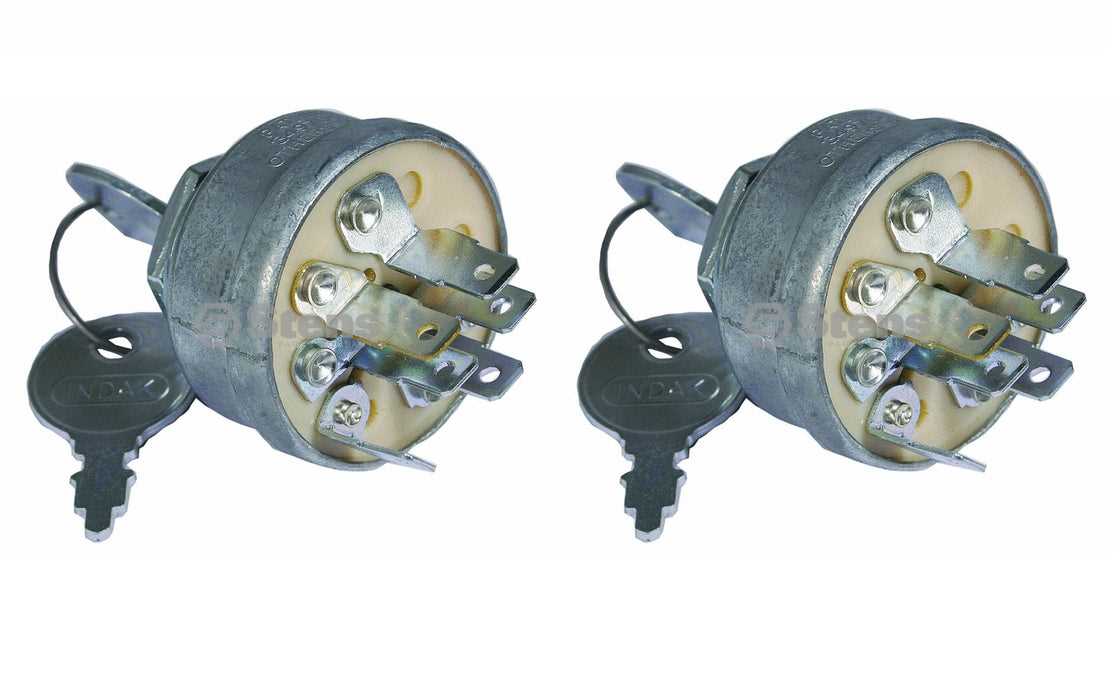
Check that all terminals are properly aligned with locking mechanisms. Misaligned connections can loosen under vibration and interrupt power flow, affecting the operation of starter and accessory circuits.
After connecting all leads, operate the key through each position while monitoring outputs. Ensure that all circuits respond correctly and adjust connections or reroute wires if activation is delayed or inconsistent.