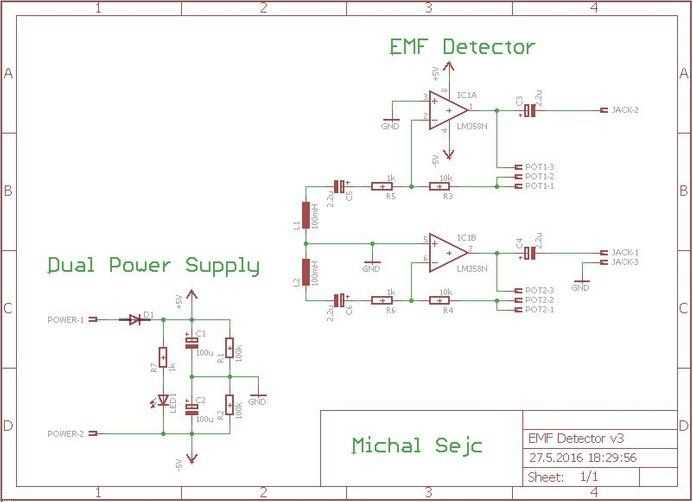
To create a reliable device for identifying electromagnetic waves, start by selecting the appropriate sensors. These sensors will respond to fields and generate a signal proportional to the field’s strength. You’ll need to source components like a field sensor, an amplifier, and a display or indicator to visualize the results. Once you’ve gathered the parts, ensure that the power supply is adequate to drive all components without issues.
Next, you’ll need to understand how the components work together to create a functional tool. Connecting the sensor to the amplifier is crucial for ensuring the signal strength is sufficient for detection. The output from the amplifier is typically fed into a display system, which can either be a simple LED or a more advanced readout showing the strength of the detected field. The system should be calibrated before use to ensure accurate readings.
Finally, test the setup in different environments. Using the device near known sources of electromagnetic radiation can help verify its functionality. Be sure to make any adjustments necessary to fine-tune the system for more precise measurements. Once you’ve completed these steps, your device should be fully operational and able to detect electromagnetic activity in various settings.
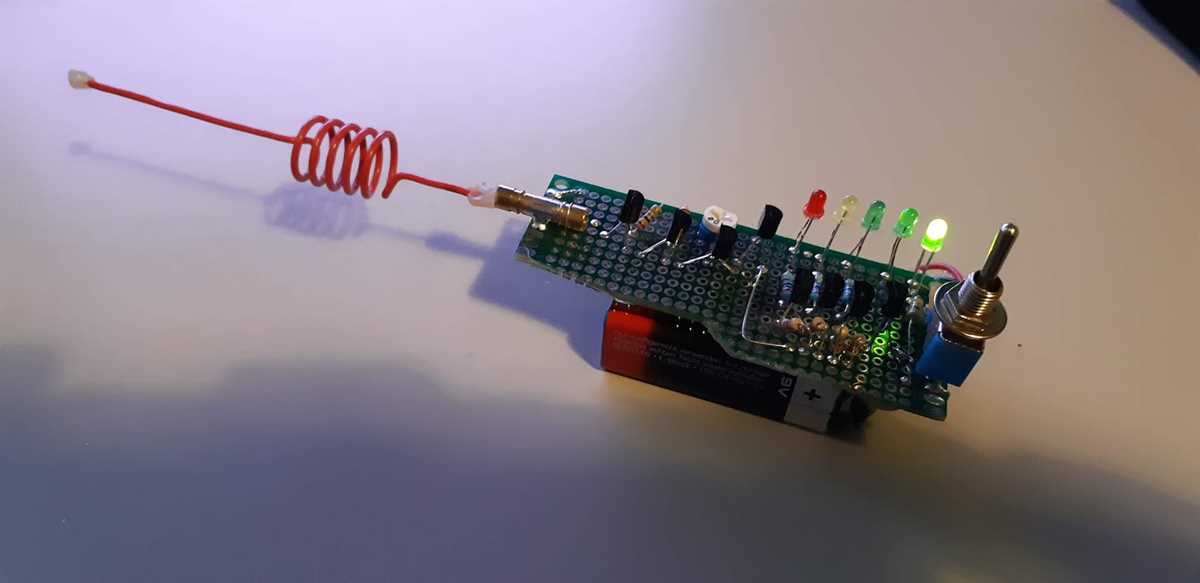
EMF Detector Circuit Guide
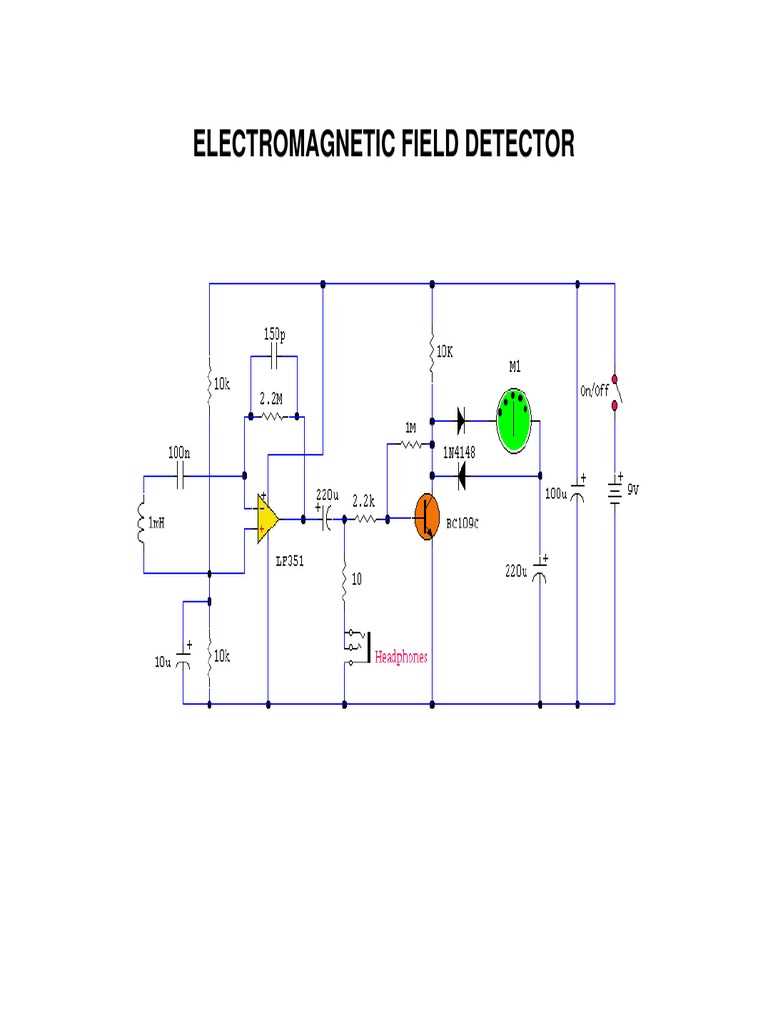
Start by choosing the right sensor for detecting electromagnetic fields. A common choice is a Hall-effect sensor, which can measure the intensity of magnetic fields. Make sure it can handle the range of frequencies you expect to encounter. Once you have the sensor, connect it to an amplifier to boost the signal strength. This ensures that weak fields can be detected and displayed accurately.
The next step is integrating a display system to visualize the readings. A simple approach is to use an LED or a series of LEDs to indicate varying field strengths. For more detailed readings, you can opt for an analog or digital meter. The display should be wired to the output of the amplifier, allowing it to represent the strength of the detected fields.
Ensure that the power supply is sufficient for the entire system. A 9V battery or similar power source is typically enough for low-power circuits. However, if you plan to use a more complex display or amplification system, consider using a higher-voltage power supply. Proper grounding is crucial to prevent interference and ensure stable operation.
Finally, test your device in real-world environments. Check its responsiveness near known sources of electromagnetic radiation, like electrical appliances, power lines, and electronic devices. Calibration may be needed to fine-tune sensitivity. Once verified, your device should be ready for use in detecting electromagnetic fields effectively.
Choosing the Right Components for an EMF Detector
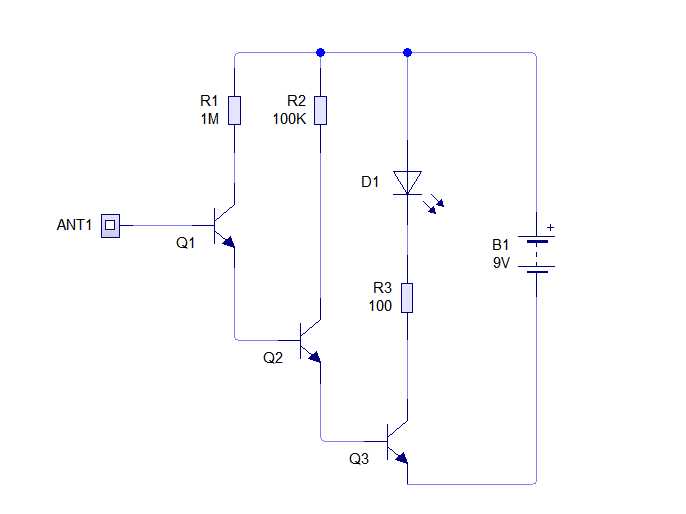
Start with selecting a sensor capable of detecting electromagnetic fields. A Hall-effect sensor is a good choice because of its ability to detect static and dynamic magnetic fields. Ensure that the sensor is compatible with your voltage range and can handle the intensity of the fields you intend to measure. For higher sensitivity, opt for sensors with low noise characteristics to avoid interference in measurements.
For signal amplification, use operational amplifiers (op-amps) to boost the sensor’s output to a readable level. Choose an op-amp with low input bias current and high bandwidth to preserve the signal integrity. Additionally, consider using a capacitor to filter out any unwanted noise and smooth out the signal before it reaches the display or meter.
The power supply is another critical component. A stable, low-noise power source ensures the accuracy of your readings. A regulated 9V battery or a similar DC source works well for basic setups, but if you are working with more complex electronics, consider using a 12V power supply. Finally, select a simple display method, such as an LED or LCD screen, to indicate the strength of the detected fields. Ensure that your display is bright and clear enough for easy reading in different environments.