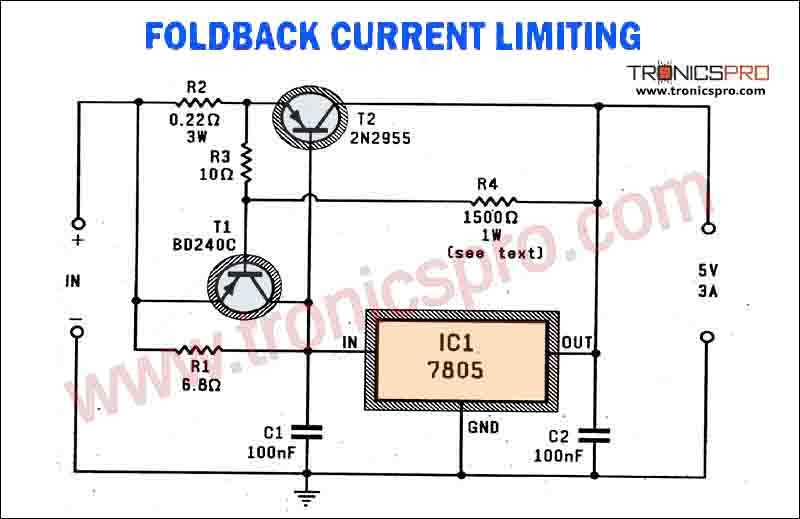
Utilize a series resistor with a transistor or MOSFET to maintain a stable energy flow below hazardous thresholds. Choosing a resistor with a tolerance under 1% ensures precise control, while a MOSFET rated for 1.5–2 times the maximum expected load minimizes thermal stress and prolongs component life.
Integrate a shunt measurement with an operational amplifier to monitor excess flow instantly. Selecting an amplifier with low offset voltage and a fast slew rate allows the system to react within microseconds, preventing damage to sensitive modules.
Consider a feedback loop that actively adjusts the gate voltage based on detected overloads. This approach smooths fluctuations and protects both the supply and downstream electronics. Incorporating a small capacitor across the gate stabilizes transient responses without slowing overall reaction time.
Place a thermal fuse or resettable polymer element for redundant protection. These components act as a safety backup, tripping only during sustained overloads. For circuits with variable loads, a resettable option avoids unnecessary replacements while maintaining security.
For precise applications, simulate the protection scheme using SPICE or equivalent tools. Modeling voltage drops, transistor saturation, and response times helps refine resistor values and transistor selection before physical assembly, reducing trial-and-error iterations.
Current Regulation Assembly
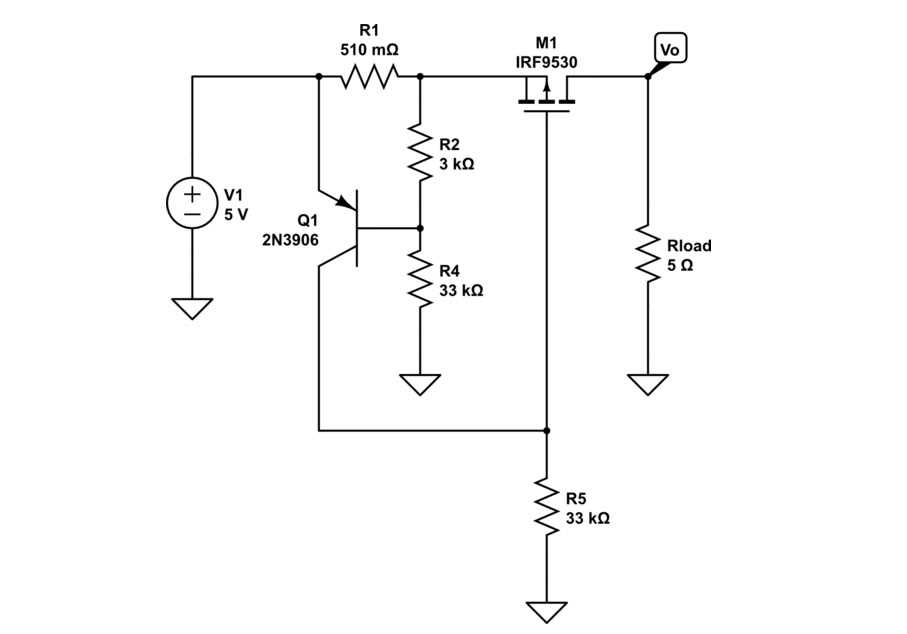
Use a low-value resistor in series with the load to set a maximum conduction threshold. For instance, a 0.33 Ω resistor rated at 2 W can safely cap the flow to approximately 1.5 A in a 5 V system.
Integrate a transistor or MOSFET in a feedback loop to actively control excess flow. A P-channel MOSFET with a gate resistor of 100 Ω provides fast response to sudden surges, minimizing stress on downstream components.
Thermal sensing elements enhance reliability by reducing power to the load once temperature exceeds a safe limit. Place an NTC thermistor adjacent to the MOSFET for automatic throttling during prolonged operation.
- For linear regulation: Use a low-dropout regulator with built-in protection.
- For switching applications: Pair an inductor and a diode to manage spikes.
- For precision systems: Add an op-amp comparator with a reference voltage to trigger cutoff.
Ensure trace widths on the PCB accommodate the expected amperage. A 2 oz copper layer for traces carrying up to 2 A prevents overheating, while keeping voltage drop under 50 mV across 10 cm.
Test the assembly under gradually increasing load and measure voltage across the series resistor. Adjust component values to match desired thresholds and confirm that the control transistor activates before any component exceeds its rated limits.
Choosing Resistor Values for Safe Current Regulation
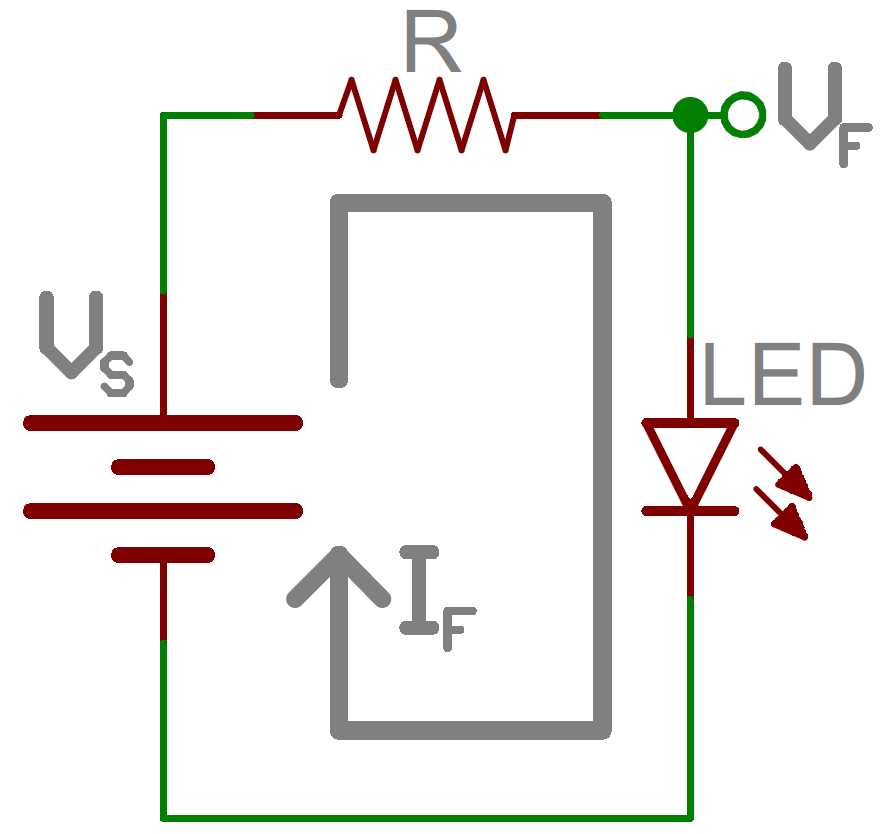
Use a resistor that allows the voltage drop to stay below the maximum rating of your load. For a 5 V LED requiring 20 mA, a 220 Ω resistor produces 4.4 mA, which keeps the LED within safe thermal limits.
Calculate the resistor by dividing the supply voltage minus the load voltage by the desired flow. For instance, with 12 V supply and a 9 V motor drawing 150 mA, select (12−9)/0.15 = 20 Ω.
Power rating is critical. Multiply the square of the current through the resistor by its resistance. A 100 Ω resistor with 0.2 A flow dissipates 0.2²×100 = 4 W, requiring a 5 W resistor for reliability.
Choose tolerances carefully. A 1 % resistor ensures that the actual flow stays within 1 % of the target, reducing risk of overheating or underperformance, particularly in precision analog modules.
Temperature coefficient affects stability. Resistors with ±50 ppm/°C or lower are preferable in devices that see wide temperature swings, preventing drift that could stress sensitive components.
When multiple loads share one supply, calculate each branch individually. If two LEDs draw 25 mA each from 9 V with a 12 V supply, a 120 Ω resistor per branch keeps both within safe operating levels without cross-interference.
For variable applications, using a potentiometer in series can allow fine adjustment of the flow. Start with a resistor slightly higher than calculated, then trim down to achieve the target without exceeding safe thresholds.