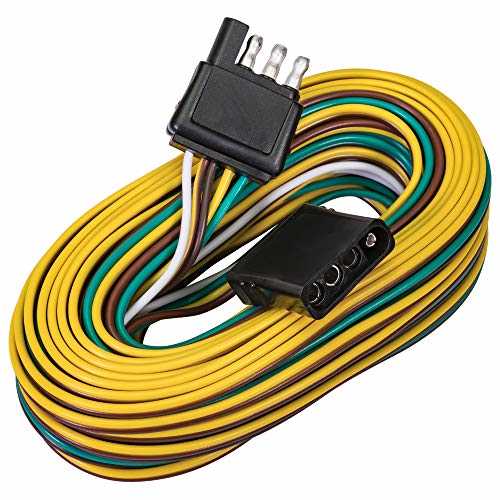
Check the connector pins and match each wire to the correct function before linking the towing unit. Green typically carries the right turn signal, yellow the left, brown the running lamps, and white serves as the grounding line.
Use a digital tester to verify continuity across each line before final attachment. Incorrect connections can cause blown fuses or non-functional indicators. Ensure the metal surfaces at contact points are clean and free of corrosion to maintain stable current flow.
Route the cables along the vehicle frame using existing clips or secured tie points. Avoid sharp bends or proximity to moving parts. This prevents insulation damage and intermittent shorts, ensuring long-term reliability of the towing electrical interface.
4 Terminal Connector Pin Assignments and Color Coding
Match each pin to its function before making connections.
- Green: right directional signal
- Yellow: left directional signal
- Brown: running or marker lamps
- White: ground or chassis return
Confirm that each wire reaches its corresponding terminal securely to prevent intermittent contact or shorts.
Use a continuity tester to verify connections and identify any breaks or reversed polarity. Loose connections can cause indicator failure or partial illumination. Route cables along fixed points on the frame to avoid rubbing or exposure to heat sources, ensuring a reliable electrical interface during operation.
Identifying Each Pin Function and Corresponding Wire Color
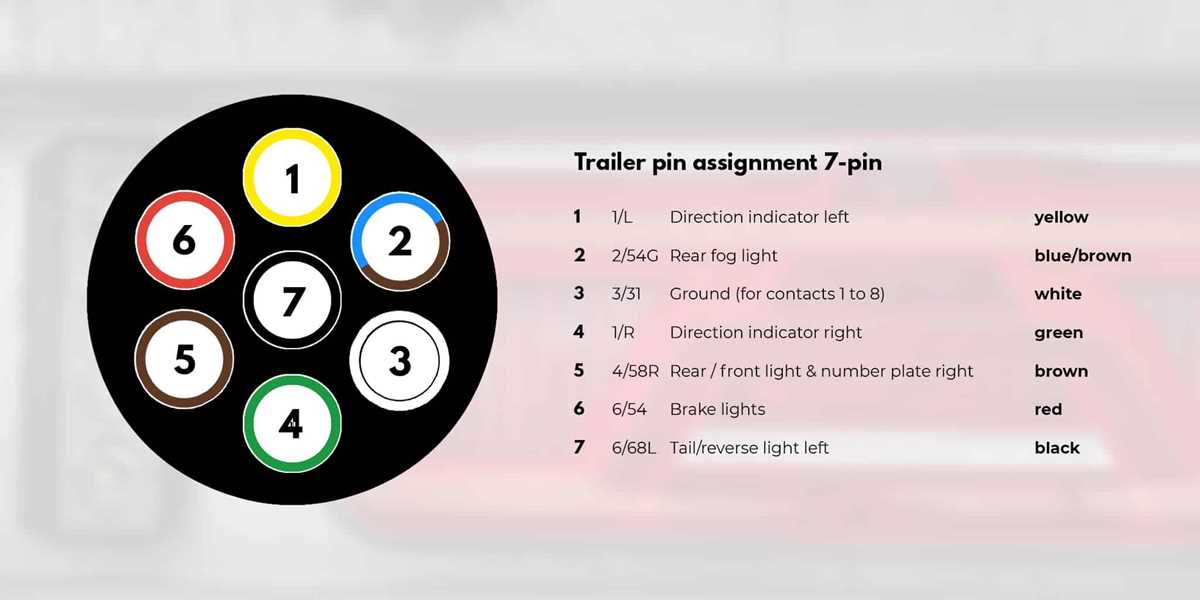
Assign the correct function to each terminal before making connections. Green indicates the right turn signal, yellow marks the left turn signal, brown is for marker or running lamps, and white serves as the grounding line.
Check continuity between each conductor and its terminal using a multimeter. This confirms proper connections and detects breaks or swapped lines. A secure connection prevents flickering or intermittent illumination under load.
Keep cables organized along the frame and avoid contact with sharp edges or heat sources. Routing along brackets or tie points reduces wear and maintains stable electrical contact over repeated use.
Label each lead at both ends with tape or shrink tubing. Consistent labeling speeds troubleshooting and ensures future modifications don’t compromise the system.
Test each function independently before integrating all circuits. Activate indicators and running circuits separately to verify that the correct terminals respond to the control inputs.
Inspect pin sockets for corrosion or debris before insertion. Clean or replace damaged connectors to maintain resistance-free contact, which is critical for signal reliability.
Document the pin layout and color assignments in a reference sheet. Having a visual guide reduces errors during maintenance and ensures that each conductor consistently matches its intended function.