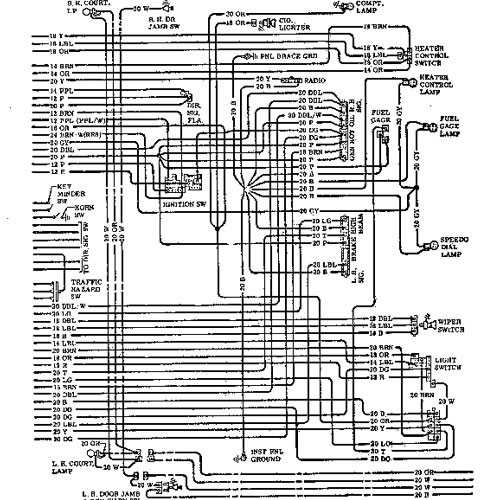
If you’re working with electrical systems in vehicles, it’s crucial to master reading wiring plans. These visuals provide the roadmap for understanding how power flows through various components. Whether you’re troubleshooting, upgrading, or making repairs, knowing how to interpret these diagrams will save time and prevent mistakes.
The first thing to note is the symbols used for components such as switches, fuses, and connectors. Each symbol represents a specific part of the system. Understanding these symbols and how they interact within the design helps make sense of how electrical flow works in the vehicle. A detailed analysis of the entire system is necessary to avoid confusion, especially when dealing with complex circuits.
For example, when diagnosing an issue, following the path shown in the plan ensures that you’re checking each part systematically. This step-by-step approach helps pinpoint problems like short circuits or faulty connections. Also, diagrams can assist in making upgrades, whether you’re installing new accessories or modifying existing systems to improve performance.
Knowing how to read and apply the details from these documents enables safer and more efficient work. By mastering this skill, you’ll gain the confidence to handle more intricate electrical tasks in vehicles. Always ensure you’re familiar with both the system’s overall design and specific component connections to achieve the best results.
Understanding Vehicle Electrical Wiring Schematics
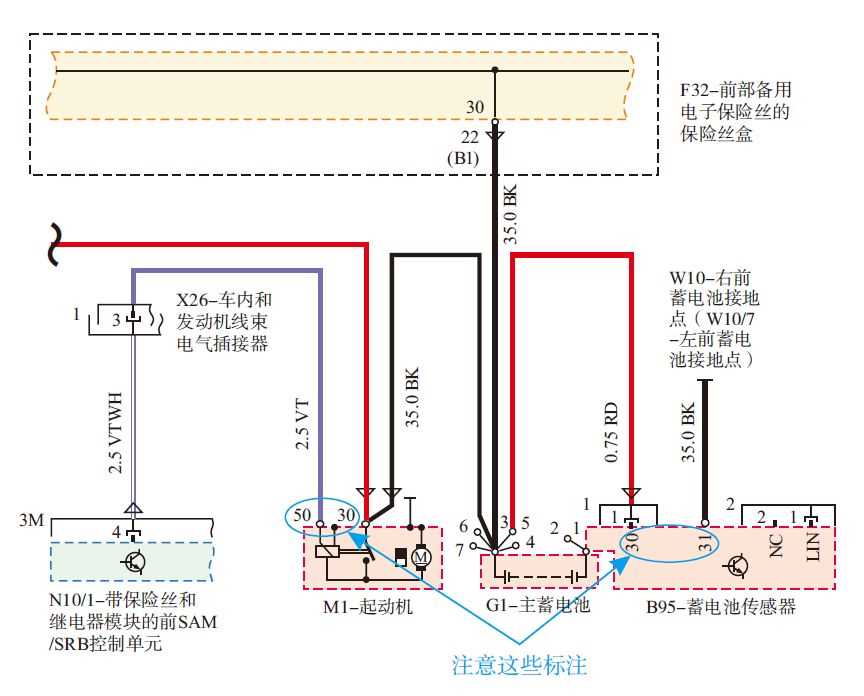
Reading electrical blueprints in vehicles requires attention to detail and familiarity with standard symbols. Start by identifying the power source and grounding points, which are critical for troubleshooting. From there, trace the connections between components, such as the alternator, battery, and ignition system, using the provided symbols. This process will help you understand how power is distributed across the vehicle’s systems and how current flows to each device.
It is also helpful to understand the color-coding used for wires, as this gives an immediate clue to their function. For example, red usually indicates power, while black may signify ground connections. Thoroughly reviewing the schematic ensures you can accurately diagnose electrical faults, such as open circuits or shorts, and safely replace components without damaging the system. A structured approach ensures your work is both precise and effective, leading to reliable results in any automotive electrical project.
How to Read and Understand Vehicle Wiring Schematics
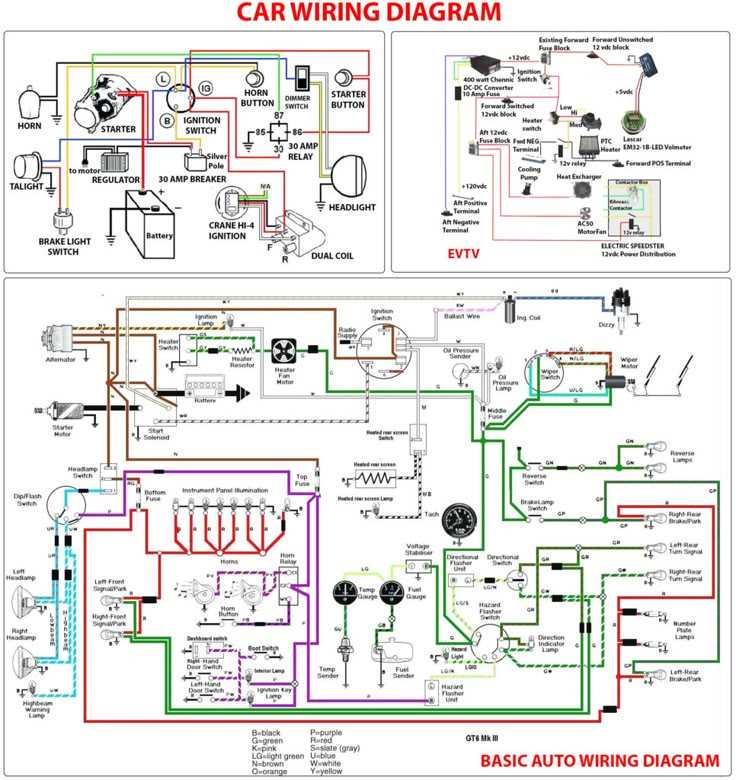
To properly interpret electrical layouts in vehicles, begin by familiarizing yourself with the standard symbols and abbreviations used for different components. These symbols represent the various parts, such as relays, fuses, and connectors, and can vary slightly by manufacturer, so always refer to the specific key provided. Start by following the power flow from the battery to the ignition system, and then trace how it branches out to different electrical systems like lighting, sensors, and the engine management unit.
Another important aspect is understanding the connections between components. In these layouts, wires are often shown as lines connecting the symbols, with their polarity or function indicated by labels or color codes. Make sure to look for ground connections, which are essential for completing circuits, and identify any junctions where multiple connections occur. With practice, you’ll be able to quickly identify faulty connections, damaged components, or areas in need of repair, making your troubleshooting more efficient.