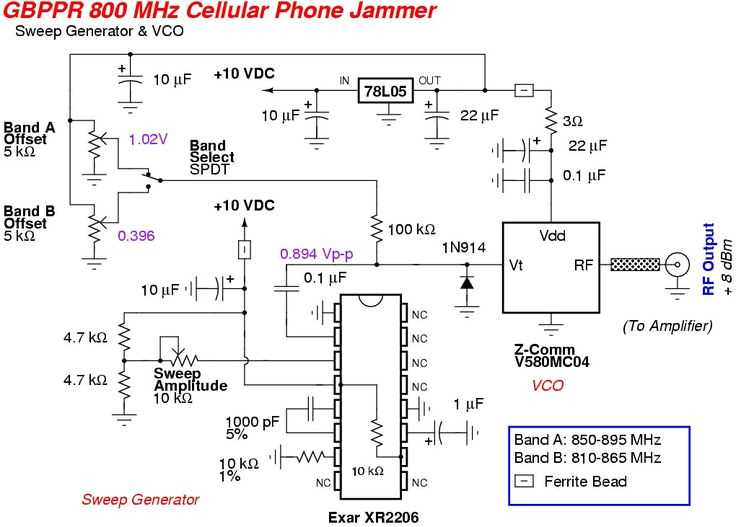
Start by selecting the right components that can block or interfere with the desired frequencies, such as those used for mobile communication. Key components include signal generators, amplifiers, and antenna systems that emit a targeted frequency to prevent proper device operation. Make sure to choose elements that are compatible with each other to ensure a smooth setup.
Next, you will need to assemble these components in a way that allows for controlled interference. The setup should include a power supply strong enough to support the entire system while maintaining stability. Proper insulation and housing are also necessary to ensure the device works efficiently without overheating or short-circuiting.
Lastly, testing is an important phase. Begin by powering up the system in a controlled environment. Measure the output signal and ensure it matches the required frequency range. Adjust the settings as needed to fine-tune the interference level, ensuring it is powerful enough to affect targeted systems without causing any harm to other devices.
GSM Jammer Circuit Design and Implementation
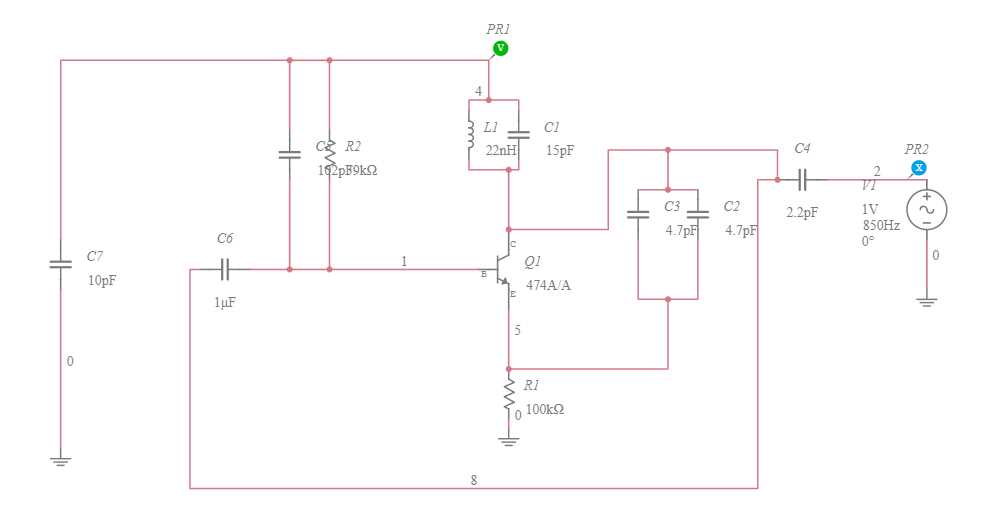
To begin designing a device that blocks communication signals, you need to select the right frequency generator. This component must be able to produce interference within the required frequency range to disrupt the target network. Ensure the generator has a stable output that can be amplified, which is necessary to ensure the device reaches sufficient power for disruption.
The next step involves selecting the appropriate amplifiers. The choice of amplifiers depends on the range and power requirements of the interference signal. Make sure that the amplifier can handle the output of the generator without distortion. It should be powerful enough to project the signal over a wide area, depending on the design goals.
Following the signal generation and amplification stages, the antenna plays a critical role in transmitting the interference. Select an antenna with the correct characteristics to emit the disrupted signal. For wide coverage, a directional antenna or an omnidirectional antenna can be used, depending on the specific requirements of the device.
The power supply is another important element. Choose a supply that matches the power requirements of the generator and amplifier. Make sure the power is stable and able to handle the high current demands, especially if the system is designed to operate for long durations.
Next, assemble all the components in a robust and insulated enclosure. Proper housing will protect sensitive components from overheating and physical damage. It’s also crucial to provide proper ventilation to prevent the system from overheating during prolonged use.
Once the assembly is complete, it’s time to test the system. Use a testing device that can measure the output frequency and check for signal disruption. Adjust the power and frequency to achieve the desired level of interference, making sure that the system works as intended without causing harm to nearby devices that aren’t targeted.
Finally, be mindful of the legal and ethical considerations when operating such devices. These systems can disrupt critical communication channels, so ensure they are used in a controlled, lawful environment. It’s vital to understand local regulations and avoid misuse in public or unauthorized areas.
Understanding the Components of a GSM Jammer Circuit
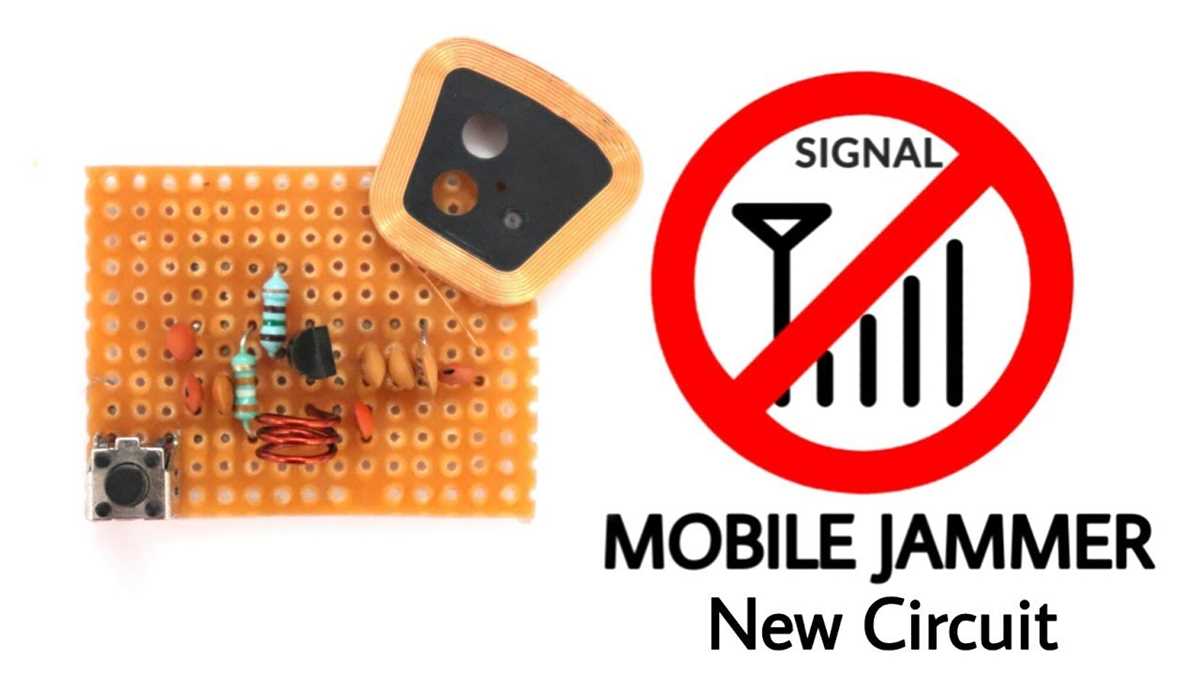
The main component of a signal-blocking device is the frequency oscillator. This device generates the interference signal that disrupts the target communication channels. It is crucial to choose an oscillator that operates within the required frequency range to ensure efficient signal blocking. A stable and accurate oscillator is necessary to maintain continuous disruption.
Next, amplifiers play a critical role in boosting the interference signal to a level sufficient to interfere with communication over the desired area. The amplifier should match the power output of the oscillator to prevent any distortion in the signal. The amplifier’s specifications should allow it to handle high-frequency signals and provide the necessary output strength for the device to be effective.
Antennas are another key component in disrupting signals. They are used to transmit the interference signal generated by the oscillator and amplified by the amplifier. Depending on the design, directional or omnidirectional antennas can be chosen to achieve the desired coverage. The selection of the antenna must align with the intended range and effectiveness of the system.
A reliable power supply is crucial for maintaining the functionality of the device. It must be able to provide a stable current for both the oscillator and amplifier, ensuring the system remains operational for extended periods. Pay attention to the voltage and current ratings to avoid any system malfunction or damage.
Heat management components, such as heat sinks or cooling fans, should be incorporated into the design. These components help prevent overheating of sensitive parts like the amplifier and oscillator during prolonged use. Proper heat dissipation ensures the system runs smoothly and prevents any damage due to excessive temperatures.
Proper housing and insulation are vital for protecting the components from environmental factors such as moisture, dust, and physical damage. The enclosure should be designed to provide adequate ventilation while safeguarding the internal components. It is also essential to ensure that the housing does not interfere with the transmission signal.
Finally, testing and fine-tuning the system after assembly are important steps. Use signal strength measuring devices to verify the interference effectiveness across different frequencies. Make any necessary adjustments to the oscillator or amplifier settings to achieve optimal performance, ensuring the system blocks signals as intended without causing excessive interference.