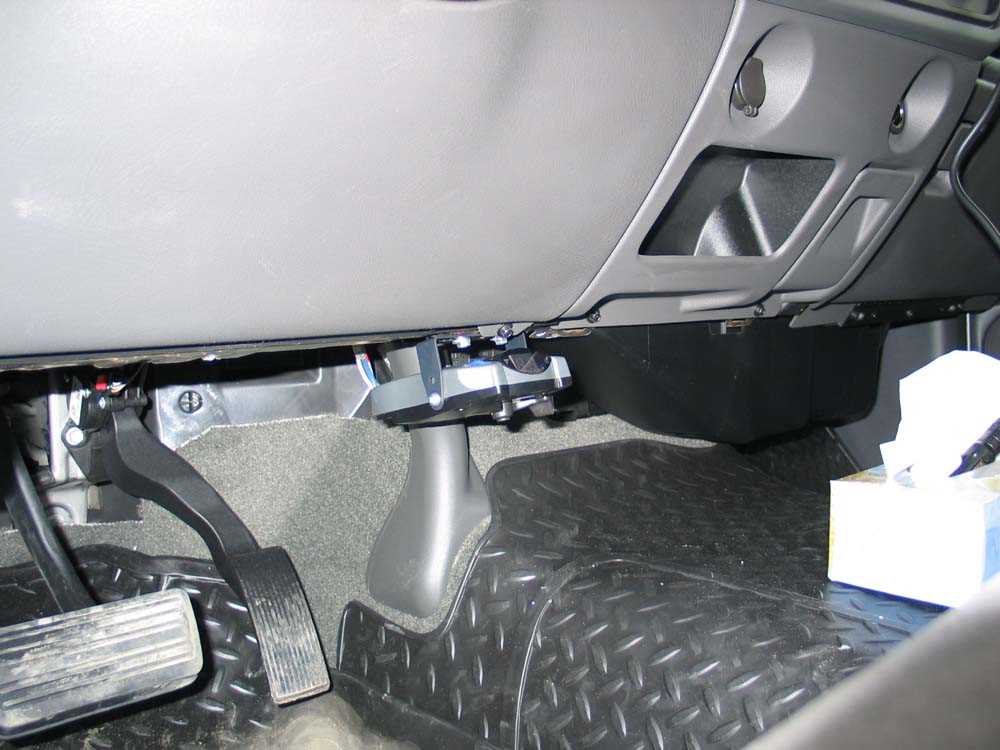
To successfully connect a brake system to a towing vehicle, ensure that you identify the correct power leads for the connection. The primary wiring is used to carry the signal from the vehicle’s braking system to the trailer’s brake assemblies. This setup allows proper braking synchronization between both vehicle and trailer, enhancing safety during travel.
The process starts by ensuring the correct placement of the power wire, typically linked to the vehicle’s brake lights or a dedicated power supply, into the system. Make sure to use appropriate gauge wires for the current requirements. Consult your vehicle’s manual for the exact location of these wiring points to avoid any confusion. The ground connection must also be secure to prevent malfunctions during braking.
When connecting the system, always verify that the brake signal from the towing vehicle is routed effectively to the trailer brakes. Miswiring could lead to delayed response or non-functioning brakes on the trailer, increasing the risk of accidents. Checking continuity and performing a test run with a safe load will confirm that the system is working as intended.
Trailer Electric Brake Controller Wiring Guide
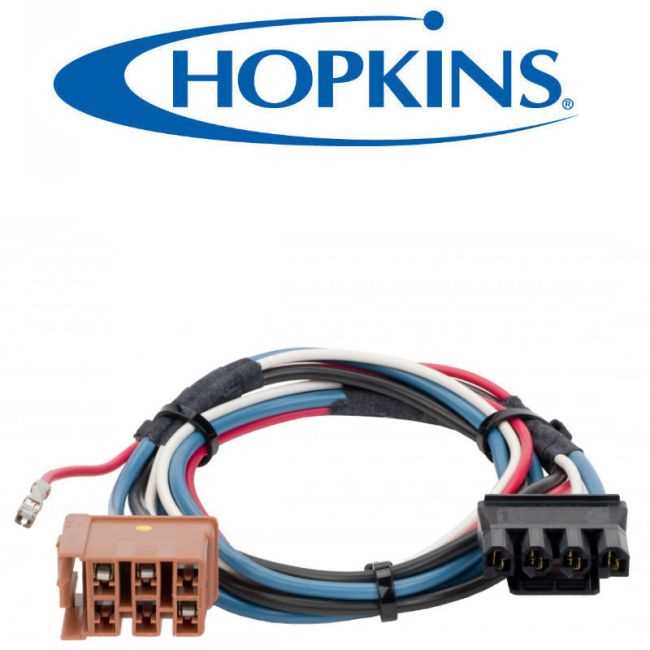
To successfully connect the braking system, first ensure you have the right components, including the power lead, ground wire, and a signal line from the vehicle’s brake light system. The power lead must be connected to the tow vehicle’s 12V power supply, which will deliver power to the system during braking. Be sure to use the correct gauge for the power cable to avoid overheating and potential damage.
Before starting the connections, determine the appropriate mounting location for the braking unit in the towing vehicle. It should be easily accessible, allowing for manual adjustments during towing. Once in place, connect the power line from the braking unit to the vehicle’s power supply and the brake signal wire to the brake lights. Make sure all connections are securely fastened to avoid any power loss or interruptions in communication between the tow vehicle and the connected components.
The ground connection is vital for the system to function properly. Locate a metal surface in the towing vehicle and secure the ground wire to it to create a direct path to the battery’s negative terminal. This ensures there is no interference or improper current flow that could disrupt the operation. Regularly inspect this ground wire for any corrosion or loose connections that might cause malfunctions.
Once everything is connected, test the system by applying the brakes on the towing vehicle while the trailer is attached. This will allow you to check if the brakes on the trailer are activating properly in sync with the vehicle’s brake lights. Adjust the controller sensitivity if needed to ensure smooth and responsive braking. This ensures safety and reliability during your towing operations.
Understanding the Key Components for Trailer Brake Controller Installation
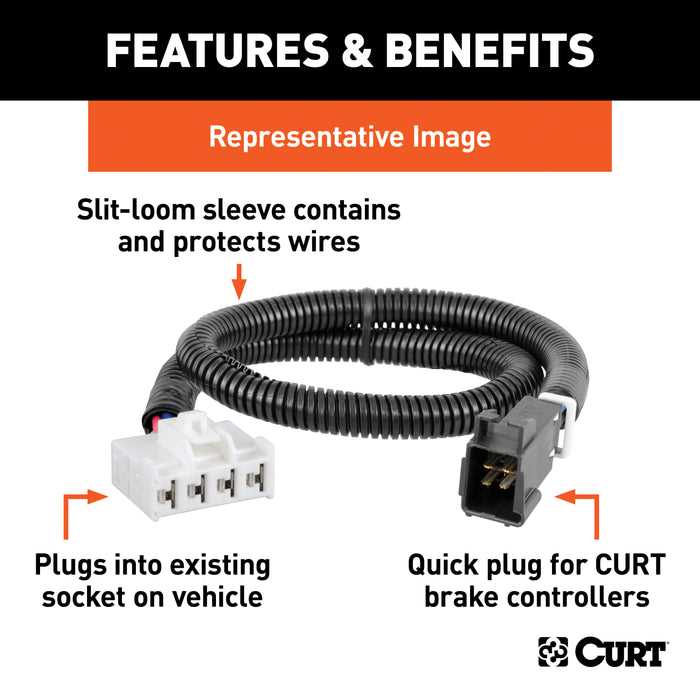
The first key component in the installation process is the power supply line. It should be connected to the vehicle’s 12V electrical system, as it provides the necessary current to activate the braking unit during use. Be sure to use an appropriately rated wire that can handle the current to avoid overheating or damage. A dedicated fuse should be installed to prevent electrical overloads, ensuring the system operates safely.
The ground wire is another critical connection. This should be securely attached to a clean, unpainted metal surface on the vehicle to create a reliable path for the current to return to the vehicle’s battery. A poor ground connection can cause erratic behavior and potentially even system failure, so it’s vital to check the integrity of this wire regularly.
Finally, the brake signal wire connects the brake light circuit from the vehicle to the braking system. This signal wire tells the system when to activate the brakes based on the vehicle’s braking action. Proper connection of this wire ensures that the brakes on the connected unit engage in tandem with the vehicle’s brakes, providing smoother and safer braking performance. Ensure that the wire is routed properly to avoid interference or damage during travel.