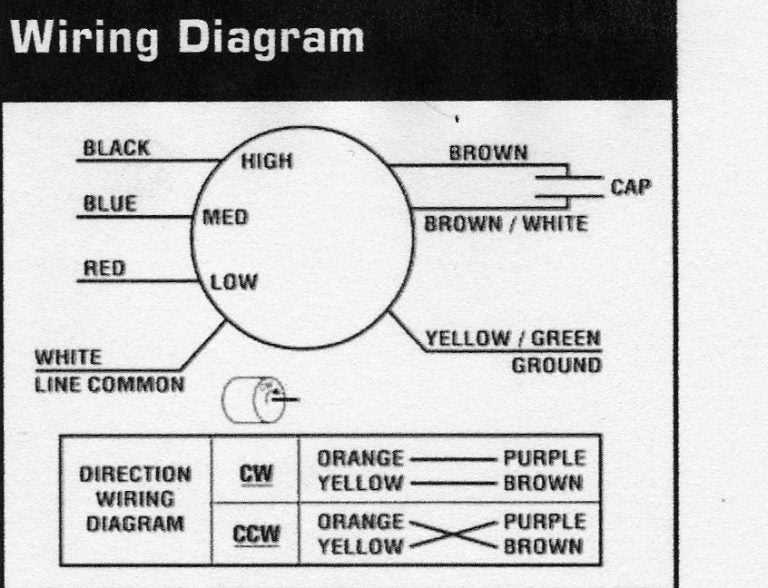
For accurate and reliable operation, begin by connecting the fan’s terminals to the appropriate control switch. This allows you to adjust the flow intensity at different levels. Use a resistor or a control module that matches the motor’s voltage rating to ensure each setting works without overloading the system.
Check the compatibility of the wiring system with the fan’s power requirements. Ensure that the connections are secure and that the power supply matches the motor’s specifications. Any mismatch could cause overheating or malfunction. It’s also important to use proper fuses and ensure that all components are rated for the desired voltage and current.
Next, verify the wiring setup by testing the functionality across all control settings. If the fan fails to operate smoothly or certain speeds do not work, it’s important to inspect the resistor or control board. Issues may arise due to incorrect wiring, damaged components, or poor connections. A multimeter can be helpful to troubleshoot any voltage irregularities during the testing phase.
Understanding the Setup for Multi-Stage Fan Control
Begin by determining the input voltage for your fan and confirming the power source is adequate. Most fans operate on either 110V or 220V, so check your motor’s voltage specifications to avoid mismatched wiring that could lead to damage or inefficiency.
Next, connect the power input to the control switch. For a four-level adjustment, a switch with four positions is required to manage the various settings. This allows you to select between low, medium-low, medium-high, and high outputs. A five-terminal switch is typically used for this purpose, which allows for better control and smooth transition between levels.
Each level of the fan system requires a different level of resistance, which is controlled by a resistor or transformer within the setup. The resistors are designed to reduce the current at each stage, ensuring the fan runs at the correct power level. The wiring between the switch and the fan must be set up so that each speed setting is linked to the corresponding resistor or transformer component.
For each setting, ensure that the correct gauge of wire is used. A wire too thin could cause overheating, while a wire too thick may not provide the necessary resistance. Typically, 16-18 gauge wires are used in low-power applications, while thicker wires might be required for higher outputs or longer wire runs.
Checking for Proper Grounding and Safety
Ensure that your fan is properly grounded before powering up the system. An improper ground could lead to electrical shocks or short circuits. Connect the ground wire to a metal part of the fan housing or the control panel, ensuring it’s securely attached and insulated to avoid any potential electrical hazards.
Double-check the fuse rating to make sure the fuse protects each individual speed setting. If a fuse is too large, it may not blow in case of a short circuit, leading to potential damage. For typical fans, a 5-10 amp fuse should be used depending on the motor’s power consumption.
Finally, verify all connections before turning the system on. Use a multimeter to test for continuity and ensure there are no shorts or open circuits in the setup. Once verified, power the system and test the fan on each setting to ensure it’s operating smoothly and reliably. Adjust the resistor values if necessary to fine-tune the fan’s performance.
How to Wire a 4 Stage Fan Control Using a Switch
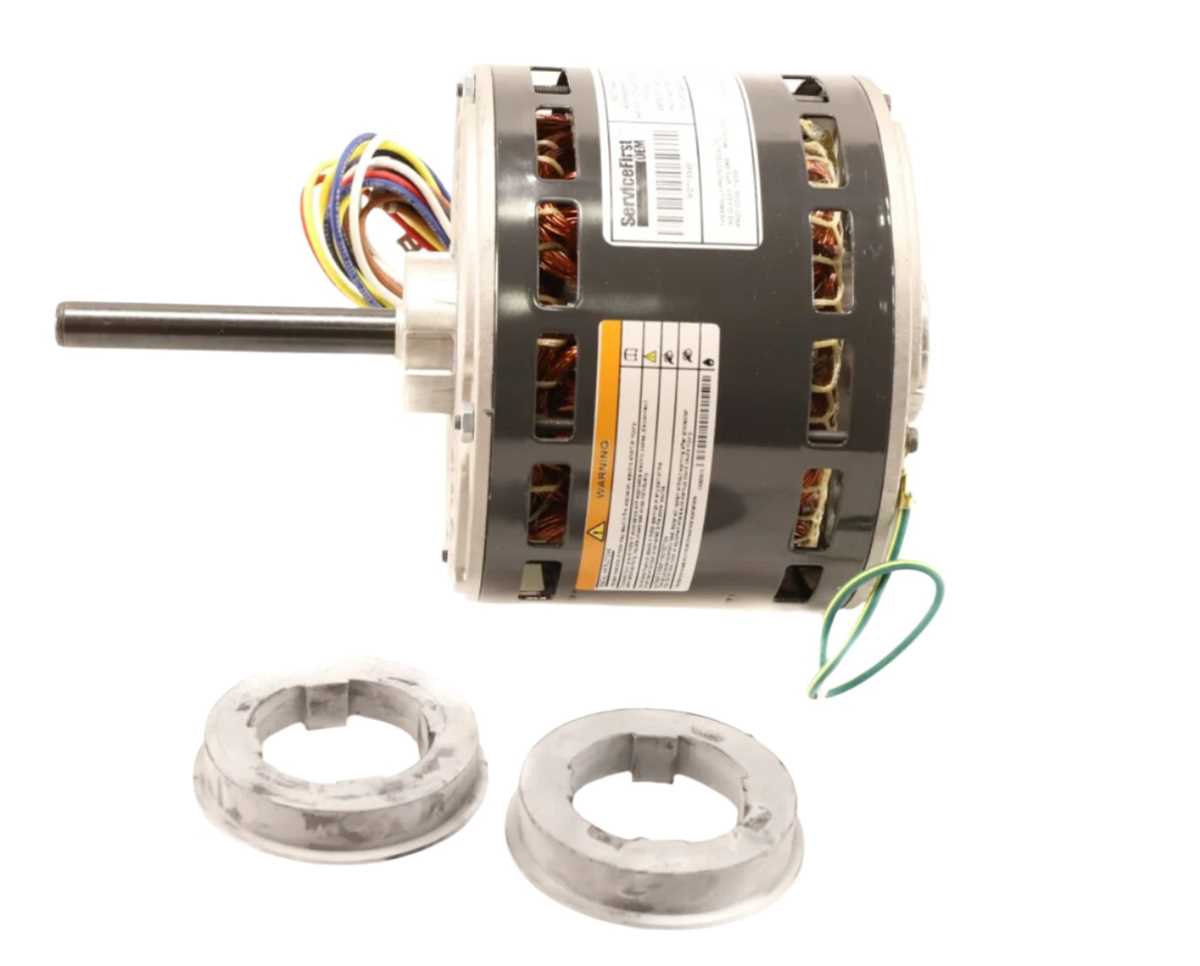
Start by connecting the power supply to the control switch. Ensure you are using a switch with four positions, each linked to different resistance settings for the fan. The switch should have five terminals: one for the incoming power, one for the fan’s common terminal, and the other three for each stage of the fan. Attach the common terminal to the fan’s power input, while the other terminals correspond to each of the resistance values required for each setting.
Then, use appropriate gauge wire to connect each terminal of the switch to the corresponding resistors or transformers. For each setting, ensure the wire is the correct thickness to handle the current without overheating. Once all connections are secure, double-check them with a multimeter for continuity. After confirming proper connections, test the system to verify each stage is functioning smoothly, adjusting resistance if necessary to ensure the fan operates reliably at each selected level.