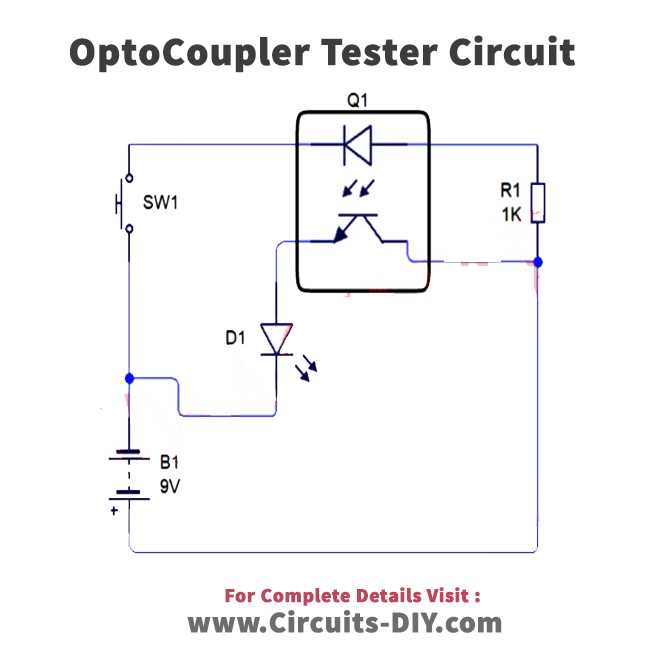
For reliable signal isolation in electronic designs, it’s crucial to properly select and wire the light-based isolation component. This component allows safe transfer of electrical signals between different parts of a system while preventing electrical interference and high voltage from damaging sensitive sections. Focus on correctly connecting the input and output pins to achieve seamless communication without cross-contamination of signals.
Pay close attention to the current and voltage ratings for the components you’re working with. The isolation device typically includes an LED on one side that emits light when powered, which is detected by a phototransistor or photodiode on the output side. Ensuring the correct resistor values will protect the LED from overcurrent and allow smooth operation.
Once you’ve connected the components, it’s important to test the setup with a controlled voltage input. Use a multimeter to check for proper isolation, ensuring that no unwanted signals pass through to the output side. This will help you verify that the system is functioning correctly and that no undesired electrical spikes or interference are present in the output signals.
Designing a Signal Isolation System
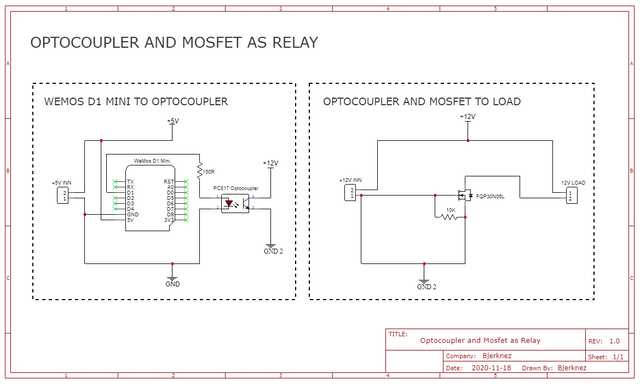
To begin, connect the input terminals to the driving signal source. Typically, the input side consists of an LED that activates when a voltage is applied, which will then trigger the corresponding output component. Choose a current-limiting resistor for the LED to prevent it from burning out. The value of the resistor should match the input voltage and the LED’s forward current specification.
The output side, usually containing a phototransistor or photodiode, must be correctly wired to detect the light signal emitted from the LED. Ensure that the output transistor’s collector and emitter are connected to the appropriate power supply and load, which may be a relay, microcontroller, or any other output device. The output will be activated once the phototransistor detects light from the LED.
Choosing the Right Components
Select components based on the voltage and current specifications of your application. For low-voltage circuits, opt for devices that can operate within the voltage range without introducing excessive heat. In higher-voltage scenarios, make sure the isolation component can withstand the voltage difference while providing proper signal transfer. Pay attention to the isolation voltage rating of the phototransistor to avoid breakdown.
Once assembled, verify the function by testing the input with a multimeter to confirm that the LED turns on and activates the output. Check the signal output from the phototransistor to ensure it matches the expected behavior. Any inconsistencies may indicate a problem with the connections or component ratings, which should be addressed before finalizing the design.
How to Design an Isolation System for Signal Transfer
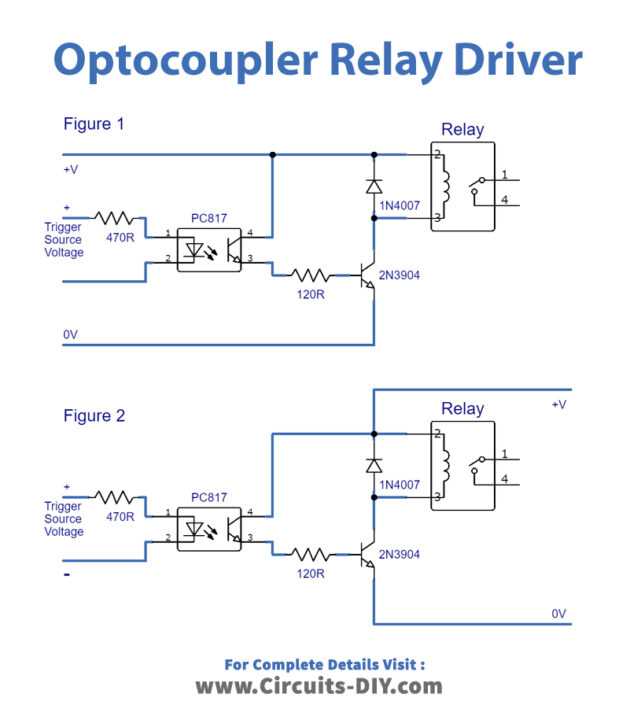
Start by selecting a light-emitting component and a corresponding light-detecting component. The LED will emit light when voltage is applied, and the phototransistor will react to this light by switching on the output. Use a current-limiting resistor in series with the LED to ensure it doesn’t receive too much current, which could damage the component.
Ensure the phototransistor’s collector is connected to the positive side of the power supply, while the emitter should go to the output load or ground. The configuration allows the light emitted by the LED to be converted back into an electrical signal when detected by the phototransistor, completing the isolation process. Choose the correct power supply based on the voltage and current requirements of your system.
Configuring the Input Side
When wiring the input, connect the LED to the driving signal. The value of the current-limiting resistor is crucial; it should be selected based on the LED’s forward voltage and the supply voltage. Use Ohm’s law to calculate the appropriate resistor value: R = (V_supply – V_LED) / I_LED. This ensures the LED operates within its specified current range.
For output configuration, connect the phototransistor to the receiving side of the load, ensuring proper isolation between the control and the output stages. A common setup involves using a pull-up resistor on the collector of the phototransistor, which helps to stabilize the output signal. Finally, verify the design by testing the signal transfer to ensure reliable operation without any interference or voltage spikes.