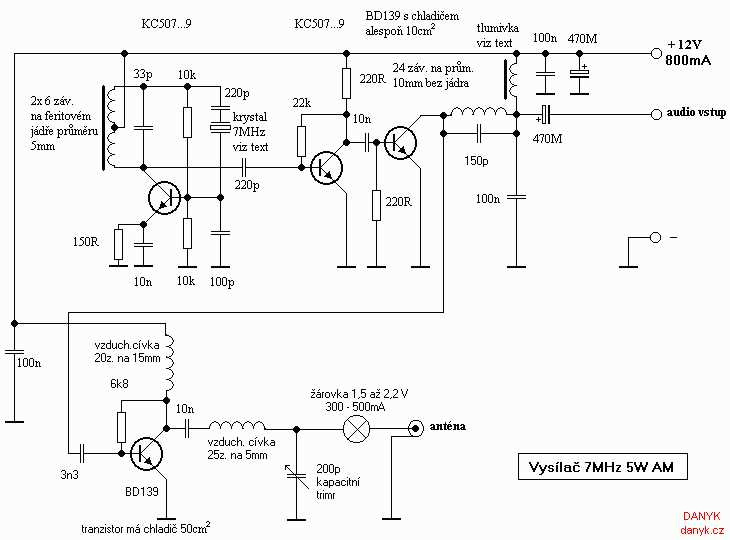
If you’re planning to build your own radio frequency generator for broadcasting, start by understanding the components that make up the signal creation process. A high-frequency oscillator is crucial in generating the carrier wave. This signal is then modulated by the input audio to carry the information you want to broadcast.
For a basic setup, you need a few key elements: an oscillator to create the base frequency, a modulator to vary the signal with audio input, and an amplifier to boost the power of the signal before it’s sent out. The oscillator is typically a simple LC circuit that can generate the desired frequency range, while the modulator will use the audio input to modify the wave’s amplitude. The amplifier ensures that the signal can be transmitted over a distance that’s suitable for your needs.
Be aware that each component must be chosen according to the operating frequency and power requirements for your setup. For example, the choice of transistor and its configuration will impact the signal strength and stability, so ensure these are selected based on the transmission range you need.
Finally, ensuring that the signal is properly tuned and stable is key to preventing interference and maintaining clear transmission. Testing your setup in small stages can help identify any issues before full deployment, making the process more manageable and efficient.
AM Transmitter Design and Components
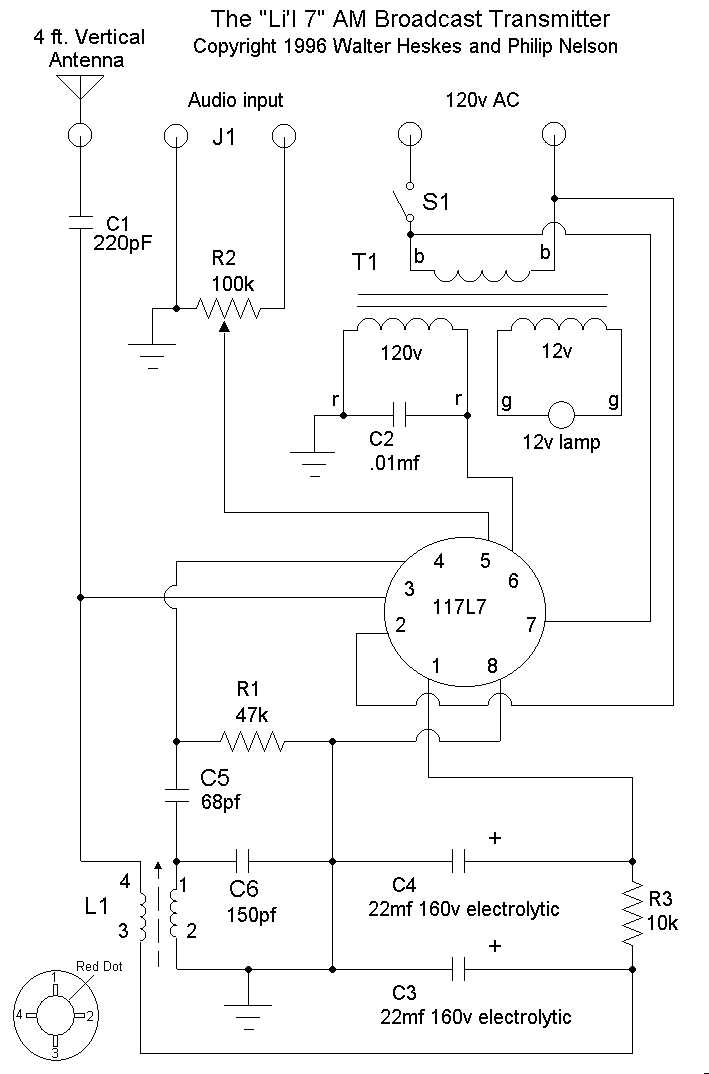
The first step in building an AM signal generator is to understand the components that are involved in creating and modulating the signal. The key elements include the signal oscillator, modulator, amplifier, and antenna. The oscillator generates the high-frequency signal, which is then modulated with the input sound information. After modulation, the amplifier increases the signal strength to ensure it can be transmitted effectively.
The oscillator is typically an LC-based design, using an inductor and a capacitor to create a stable, high-frequency wave. The frequency of this oscillator determines the base frequency of the transmission, which typically falls within the AM radio band, around 500 kHz to 1600 kHz.
The modulation process involves varying the amplitude of the oscillator signal based on the audio input. This is usually done through a transistor-based circuit, which modulates the amplitude of the carrier signal by the audio waveform. This modulation creates the AM signal, allowing sound information to be broadcast over a radio receiver.
The amplifier is used to strengthen the signal after modulation. Without this step, the signal would be too weak to be picked up by radio receivers. The amplifier must be chosen carefully based on the desired range of the transmission. It is important to ensure that the transistor or operational amplifier used in the design can handle the power requirements of the signal.
Finally, the antenna plays a key role in broadcasting the signal over a long distance. The type and size of the antenna depend on the frequency and the power of the signal. A simple wire antenna can be effective for short-range transmissions, while a larger dipole or monopole antenna is recommended for longer-range broadcasts.
When assembling the components, it is important to ensure proper grounding to minimize electrical interference. A poorly grounded system can result in poor signal quality and can lead to unwanted noise or distortion. Always test the circuit at low power before scaling up to higher transmission levels to ensure stability and functionality.
Additionally, tuning is an important aspect of the design. After constructing the system, you should use a frequency counter or a radio receiver to adjust the oscillator frequency precisely within the desired AM band. Fine-tuning will ensure that the transmitter is within legal broadcasting limits and reduces interference with other nearby radio stations.
To optimize performance and reduce power consumption, consider using efficient components such as low-power transistors and high-quality resistors. Experimentation with component values such as inductance, capacitance, and transistor ratings will allow for fine-tuning and achieving the desired output characteristics for your broadcast setup.
How to Assemble the Components of an AM Transmitter
Begin by gathering all the necessary components: a signal oscillator, modulator, amplifier, and antenna. The signal oscillator is usually built with a combination of inductors and capacitors to generate a high-frequency wave. Choose an appropriate frequency range that aligns with your desired transmission spectrum. Typically, this will fall within the AM radio band, around 500 kHz to 1600 kHz.
First, assemble the oscillator by connecting the inductor and capacitor in an LC loop. This will generate a stable, high-frequency signal. Fine-tune the values of the inductor and capacitor to achieve the desired frequency. If you have an adjustable capacitor, this will allow you to easily adjust the output frequency later on. Ensure that all connections are secure to avoid signal distortion.
Once the oscillator is set up, connect it to a modulator, which will be used to encode the audio signal onto the high-frequency carrier. The modulator typically works by varying the amplitude of the carrier signal in proportion to the input audio waveform. A simple transistor amplifier can serve as a modulator for this purpose. Ensure that the input audio source is connected properly, and the modulation is occurring correctly. Adjust the gain of the modulator to ensure a clear signal without distortion.
The next step is to integrate the amplifier, which will boost the modulated signal to a power level suitable for transmission. A power transistor or an operational amplifier can be used for this stage. Be sure to choose an amplifier that is rated to handle the output power required for your setup. Connect the output of the modulator to the input of the amplifier, and then test the amplifier output with a load such as a resistive dummy load.
Testing the Components
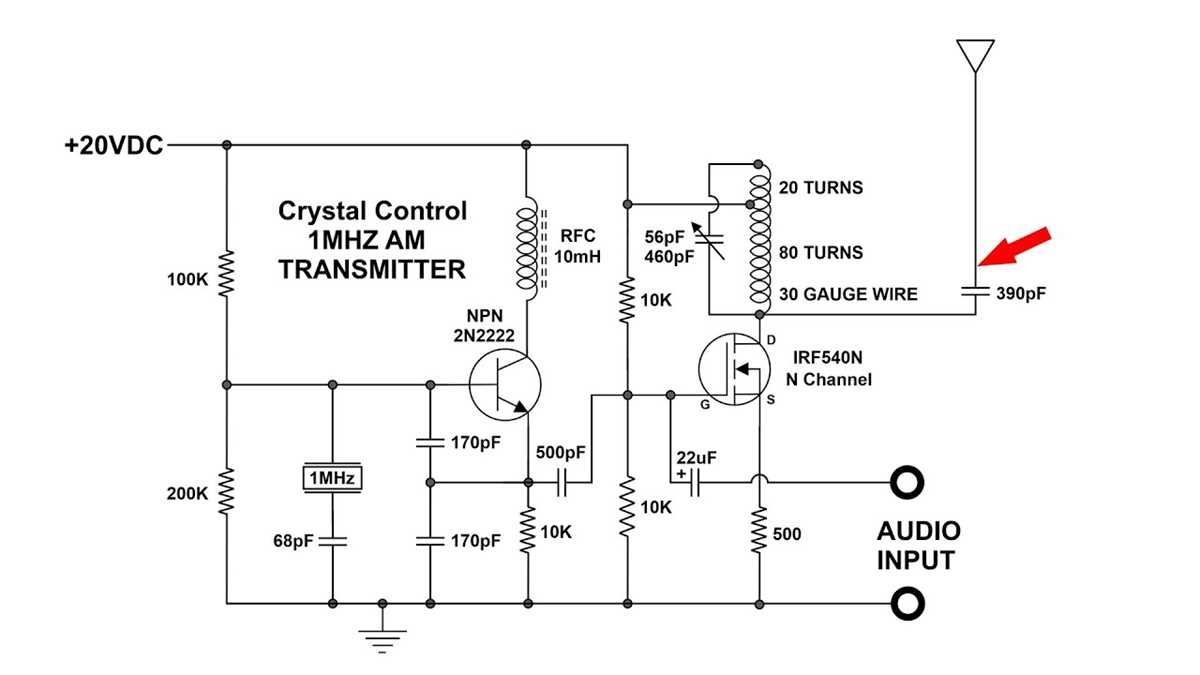
Before connecting the antenna, it’s crucial to test each component individually. Using an oscilloscope or frequency counter, check the output of the oscillator to ensure it is generating the correct frequency. Then, check the modulated signal to confirm that it is being correctly encoded with the audio signal. Finally, measure the output of the amplifier to ensure the power is sufficient for broadcasting.
Next, connect the antenna to the amplifier output. The type and size of the antenna will depend on your transmission requirements. A basic wire antenna will work for short-range broadcasts, but for long-range transmissions, you may want to use a more robust dipole or monopole antenna. The antenna should be positioned in an open area to minimize interference from nearby objects.
Final Assembly and Adjustments
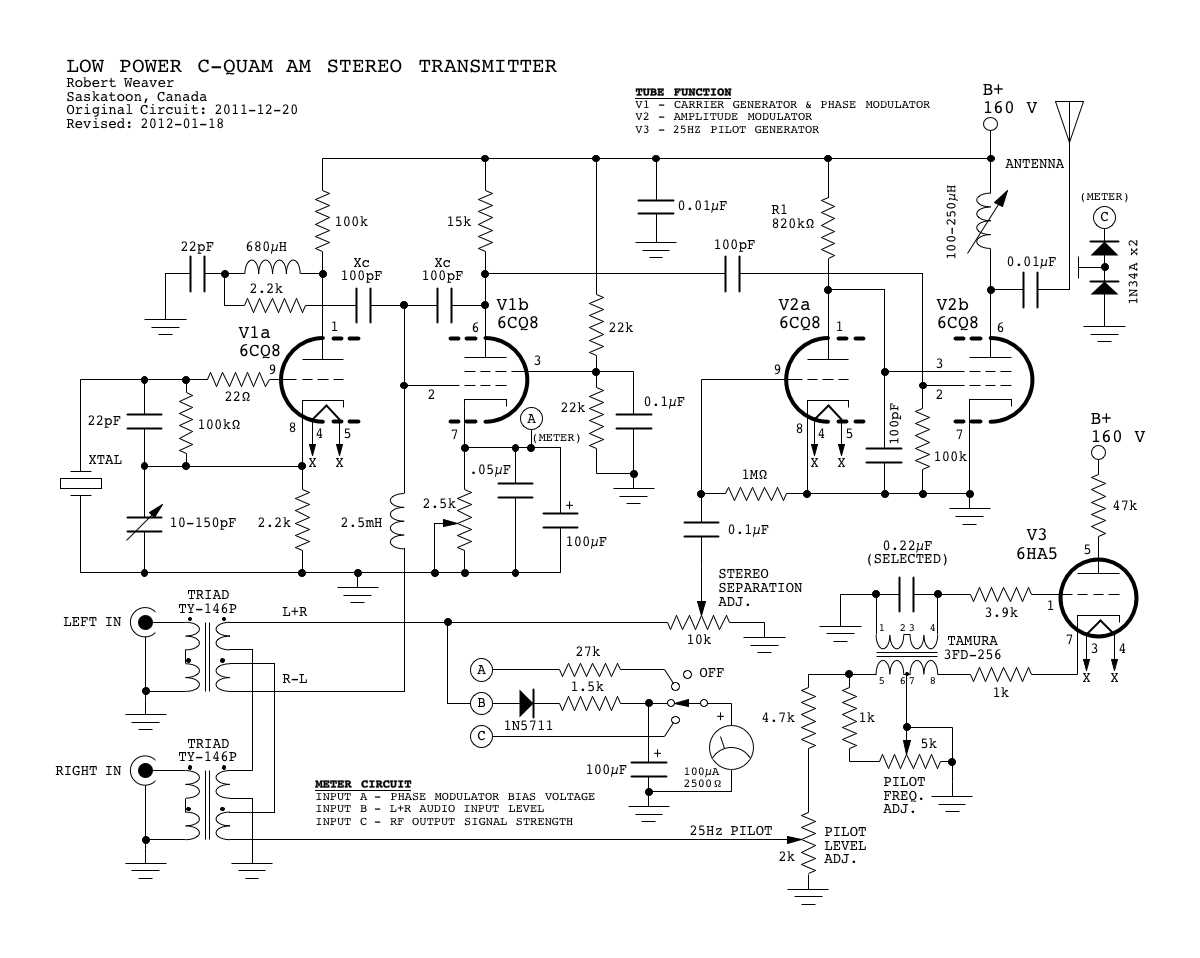
Once everything is connected, power up the system and begin adjusting the frequency and modulation levels. Use a receiver to verify that the broadcast is reaching the correct frequency and that the audio is clear. If necessary, make minor adjustments to the oscillator and modulator to fine-tune the output.
Finally, ensure that all components are properly housed in an insulated enclosure to prevent electrical hazards and signal interference. Perform a final test with the system running at full power to ensure stability. Once everything is working as expected, you have successfully assembled your AM broadcasting setup.