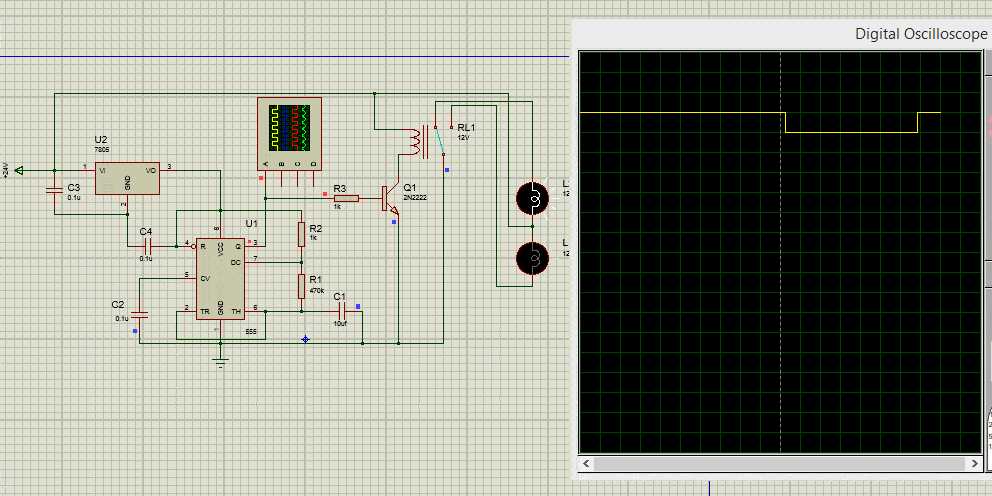
The blinker relay, also known as a flash relay, is responsible for controlling the on-off cycle of the turn signal lights in vehicles. It is a critical component in the signaling system, helping drivers communicate their intentions to other road users. To understand its operation, it’s important to know how this relay interacts with the electrical components of a vehicle.
This component operates based on simple yet effective principles of electrical resistance. Typically, it uses a bimetallic strip that heats up and bends when the current passes through it, creating a flashing effect. The time intervals at which the lights blink are determined by the design of the relay, as well as the resistive components connected to it. Knowing the wiring involved is vital for proper diagnosis and repair of signaling issues.
If you’re troubleshooting a faulty signaling system or upgrading your vehicle’s electrical components, you need to ensure the connections are correctly wired. Common issues include burned-out bulbs, faulty relays, or poor wiring connections that interrupt the signaling function. Understanding the proper arrangement of these connections allows for more accurate diagnostics and faster resolutions, preventing more complicated issues in the future.
Flasher Unit Circuit Design and Function
For a signaling system to function correctly, a timer mechanism is needed to create the blinking effect. The primary component responsible for this timing is a relay that creates a cycle of on/off. Understanding the internal components, such as resistors and capacitors, is key to troubleshooting or modifying the signaling mechanism.
The basic design consists of a relay that connects to the light bulbs and the power supply. The key component in the relay is a bimetallic strip, which heats up and bends with the passing current, causing the circuit to break temporarily. This action turns off the light, and once the strip cools down, the circuit reconnects, turning the light back on. This process repeats itself, giving the characteristic flashing effect.
One of the most common designs uses a capacitor to store energy that gradually charges over time. When the voltage across the capacitor reaches a certain level, it activates the relay. The discharge rate of the capacitor determines how quickly the light turns on and off. By adjusting the resistance, the flashing speed can be controlled.
Another important consideration is the voltage rating. The relay must be chosen to match the system’s voltage, usually 12V or 24V, to ensure it functions properly. Choosing the wrong relay can lead to incorrect operation or system failure.
When building or repairing a signaling system, it’s vital to ensure that the wiring is configured correctly. Connecting the power source to the relay, and then linking the relay to the light bulbs, must follow the proper sequence. Incorrect connections can prevent the relay from functioning, or cause the lights to malfunction.
For those seeking to modify the system, adding a second relay in parallel can increase the load capacity, which is particularly useful when more lights are added to the system. Additionally, using a diode in the wiring helps protect the relay from voltage spikes caused by inductive loads.
During testing or troubleshooting, it’s often helpful to measure the voltage across the capacitor and relay to ensure that the timing mechanism is working as expected. If the lights are flashing too fast or too slow, adjusting the resistance or capacitance values will correct the issue.
In conclusion, the design of a signaling system relies on a precise balance of components that work together to create the blinking effect. Understanding the role of each element in the relay helps optimize the system’s performance, ensuring safe and effective signaling during driving or other applications.
How a Flasher Unit Operates in Electrical Systems
The key to understanding the functionality of this mechanism lies in its simple timing and switching behavior. When powered on, the internal components, typically a relay and a resistor-capacitor network, begin their cycle. The capacitor charges slowly through the resistor, and once the charge reaches a set threshold, the switch triggers the circuit to open, interrupting the flow of power to the connected lights.
As the capacitor discharges, the relay resets, and the cycle repeats. This intermittent connection results in the characteristic blinking of the connected device, such as a lamp or a signal. The rate at which the capacitor charges and discharges determines the speed of the flashing. By adjusting the resistance or capacitance values, the flash rate can be controlled to suit specific requirements.
In many systems, the device is designed to work with a specific voltage range, typically 12V or 24V, ensuring that the relay operates correctly without causing overheating or failure. A key aspect of its operation is the heat generated by the relay’s contacts during the switching process. As current flows through the relay, the contacts heat up, causing the metal strip to bend and break the circuit, creating the intermittent on/off behavior.
The operation is affected by several factors, such as the resistance in the system and the type of lights being used. For example, incandescent bulbs require more current and may alter the flash rate if they are connected in series with other lights. The system may need a stronger relay if a higher load is used, especially when multiple devices are being powered.
In troubleshooting or modifying this type of device, it is crucial to ensure that all components are properly rated for the load and voltage of the system. A failure in one part, such as an underpowered resistor or faulty capacitor, can disrupt the entire operation. Proper calibration can be done by adjusting the resistance to alter the flashing speed, which may be necessary depending on the system’s load or user preference.
When used in automotive applications, this component ensures that signals blink in a rhythmic, consistent pattern, increasing visibility for other drivers. This effect is critical for safety, as it allows for clear communication of turns or lane changes. Adjustments to the flashing pattern may be necessary for vehicles that use more advanced lighting systems, such as LEDs, which require different power handling than traditional bulbs.