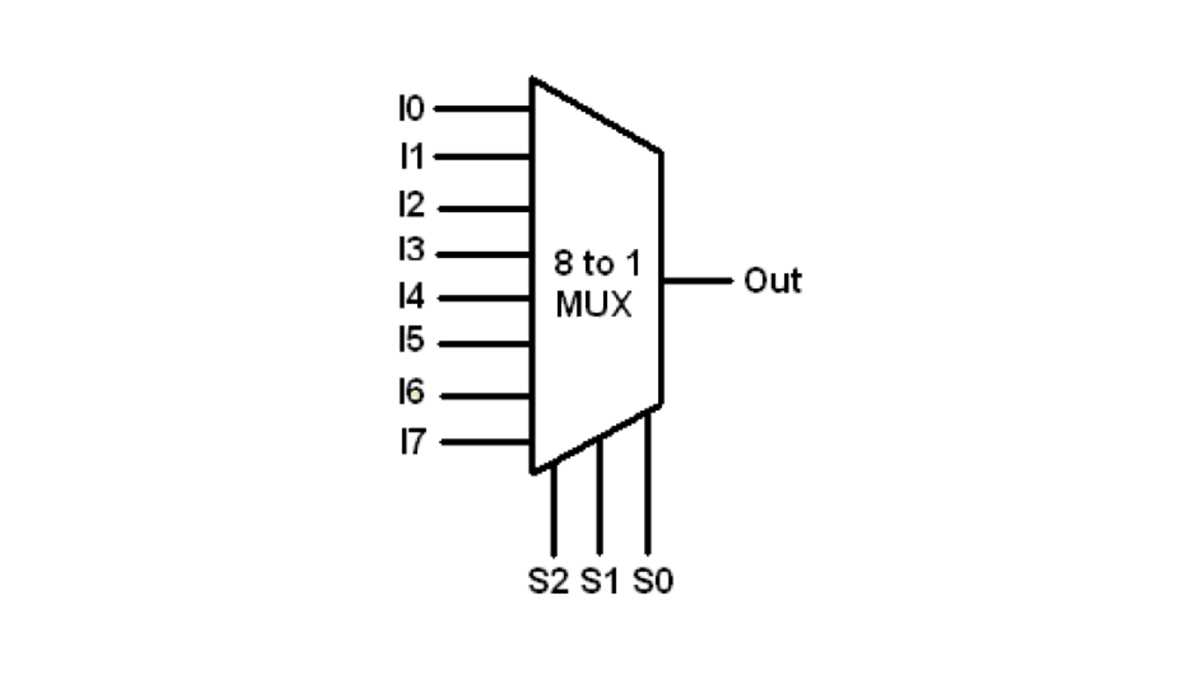
To design an 8 to 1 selector, start by recognizing the key components involved: the input signals, control lines, and the output. In this setup, eight data inputs are connected to a selection mechanism, which is controlled by three binary selection lines. These lines choose which of the eight inputs is passed through to the output. Make sure to check the power requirements for your setup before starting the build to ensure you use appropriate components.
Each input is typically represented by a unique signal, and the three control lines allow you to select one of those signals based on their binary value. The control lines create a simple yet powerful selection process, enabling the device to efficiently handle multiple data streams with minimal wiring complexity. Be sure to confirm that each input has its own distinct path and that the connections between them are secure.
When designing, pay special attention to the logic gates used to build the selection mechanism. Multiplexers typically rely on AND gates, OR gates, and NOT gates to enable the correct data to pass through based on the selection lines. Understanding how these gates work together to route the signal correctly is crucial for building a functional and reliable multiplexer.
Once the design is complete, the final setup allows a single output to receive one of the eight input signals based on the control inputs, making this design highly versatile in applications that require selecting one input from a variety of sources. Verify that all connections are correct and secure, then test the system to ensure it is functioning as expected. Troubleshooting may involve checking the power supply, the logic gates, or the connections between the inputs and selection lines.
8 to 1 Multiplexer Circuit Design and Explanation
To design an 8-to-1 selector, you need to connect eight data inputs to a set of logic gates that will control which input gets passed to the output. The logic gates will be controlled by three binary selection lines. These lines determine the input that will be connected to the output based on their binary value. The first step is to calculate the number of selection lines required, which for eight inputs, needs three control lines (since 2^3 = 8).
Each input signal must be routed to a set of AND gates. The selection lines control which of these AND gates is enabled, allowing one of the eight inputs to pass through to the output. The AND gates work by allowing the data from a specific input to be sent through, while blocking all other inputs. Make sure each input is linked to the appropriate gate to maintain correct operation.
Once the AND gates are connected, the outputs of these gates are then combined using OR gates. The OR gates function to collect the selected input and pass it to the final output. This final output will be the chosen input based on the selection lines. This combination of AND and OR gates is fundamental to creating a functional selector for multiple inputs.
When assembling this design, ensure that all connections are secure and the power supply is appropriately rated for the setup. After completing the design, it’s important to test the system by toggling the selection lines and confirming that the output correctly matches the selected input. If there are any issues, check for faulty logic gates or incorrect wiring between the inputs and the selection lines.
How the 8 to 1 Multiplexer Works and Its Functionality
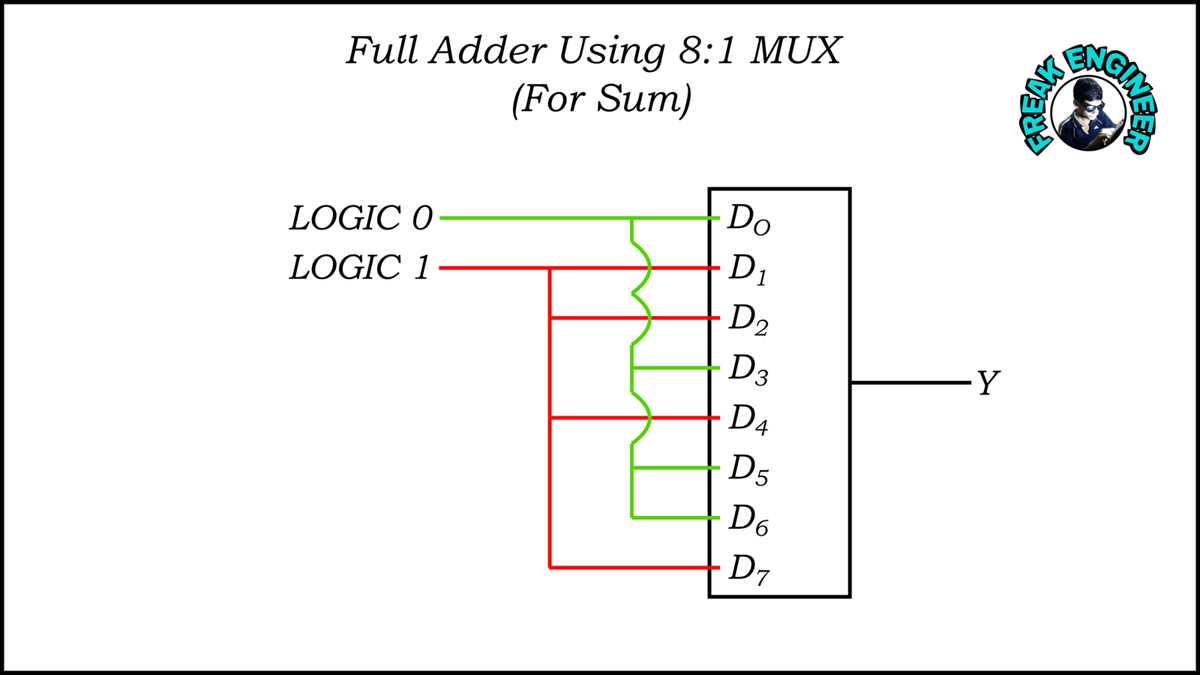
To understand the function of an 8 to 1 selector, start with the basic components: eight input lines, three selection lines, and one output. The role of the selection lines is to decide which of the eight inputs gets connected to the output. The three control lines create a binary combination, selecting one of the eight possible data streams. For instance, when the selection lines are set to 001, input 1 will be routed to the output.
The selection lines are binary, which means that for 8 inputs, you need 3 binary values (2^3 = 8). Each of the selection lines will represent a binary digit, and by adjusting these values, you select which input should pass through to the output. These three lines interact with the rest of the system to determine the path of the data flow at any given time.
Each input is fed into an AND gate, which is connected to one of the selection lines. The AND gate will output a signal only when its corresponding selection line is active, allowing the input to pass through. This ensures that only one of the inputs is selected at any moment, preventing interference from the other inputs.
Once the data from one input is allowed to pass through its respective AND gate, the output of all these AND gates is combined using OR gates. The OR gates consolidate the individual outputs, ultimately allowing the selected input to be sent through to the final output. This system of AND and OR gates is what allows the multiplexing functionality.
The advantage of using such a system is its ability to handle multiple inputs with minimal hardware complexity. By employing a binary selection mechanism, a single output can represent one of many inputs without the need for complex routing. This is a major advantage in digital systems that require the selection of different data streams.
The final component of the system is the output. Once the selection lines are set and an input has been selected, the data from that input is passed through the corresponding AND gate, then the OR gate, and finally sent to the output. This is the primary function of the device: selecting and passing data based on the control lines.
In practice, the multiplexer is used in applications where multiple data sources need to be accessed by a single output device, such as in communication systems or in data routing for processors. When designing or troubleshooting a selector like this, ensure that all connections are secure and that the control lines are properly set to route the correct input.