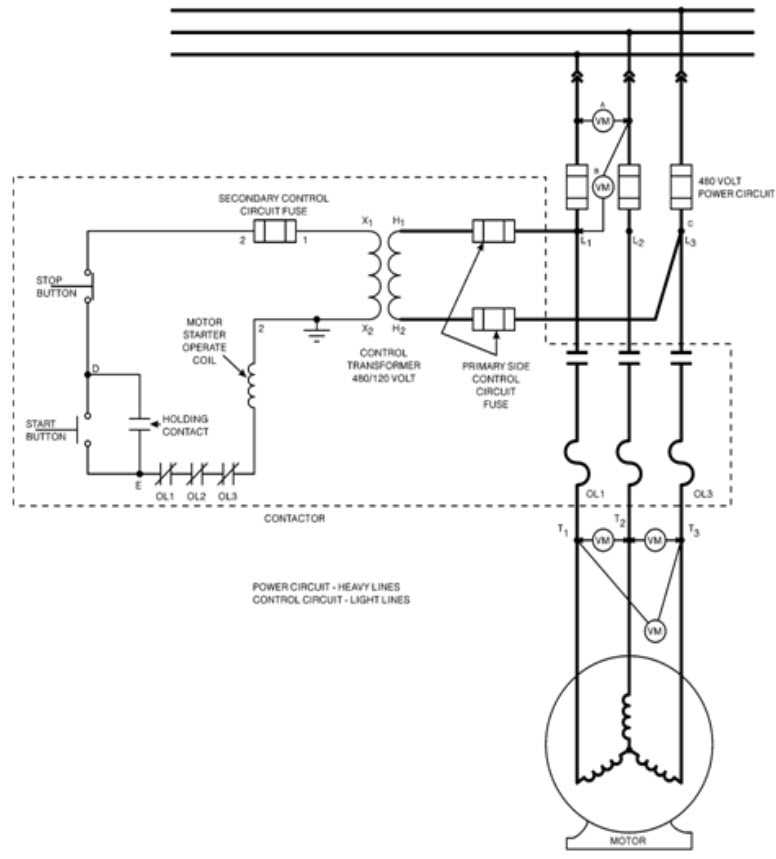
When reading technical drawings for electrical systems, the first step is to identify the symbols used for different components. Each component, from resistors to capacitors, is represented by a unique symbol that conveys its function and connection within the system.
The power source, often represented by a pair of parallel lines or a specific symbol for the type of energy being used, is the starting point for most layouts. Followed by the flow paths, connections, and junctions that describe how energy moves through the setup.
By understanding how components are interconnected and represented, troubleshooting and building more complex systems becomes easier. Familiarity with these representations ensures that each connection is correctly understood, leading to more reliable and efficient designs.
Understanding Different Electrical Schematic Layouts
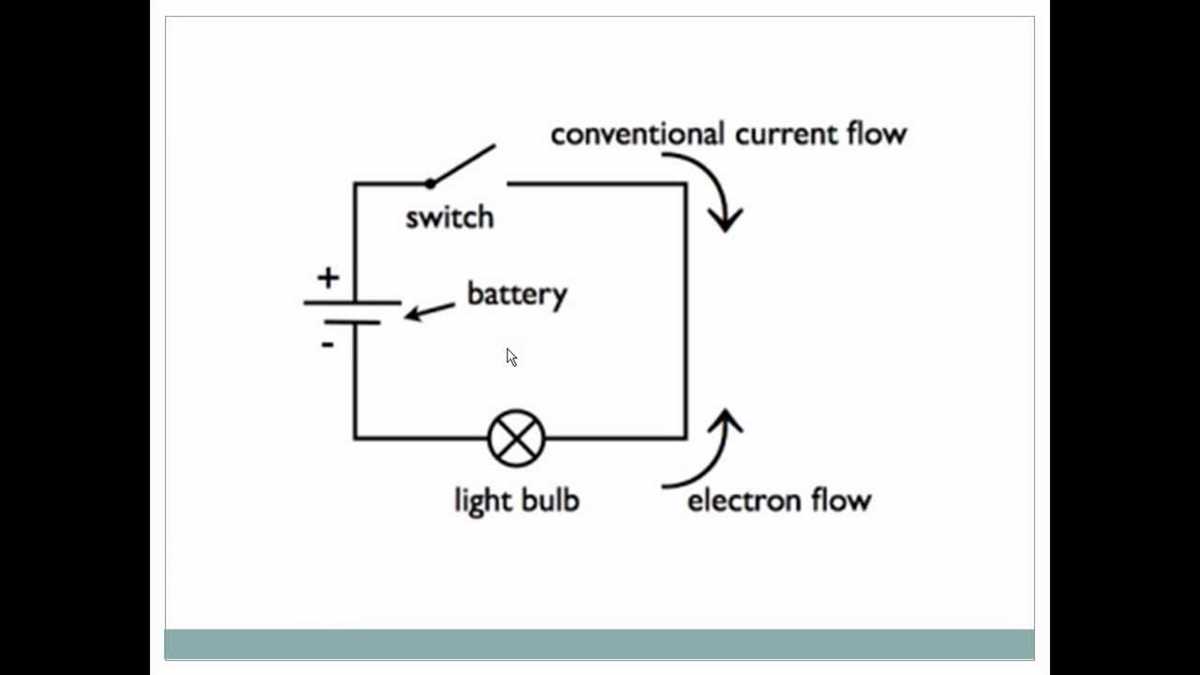
Start by familiarizing yourself with the most common symbols used in electrical layouts. A power source is typically represented by two parallel lines or a specific symbol depending on the energy type. These symbols help you quickly identify the origin of electrical flow in the design.
Resistors are usually shown as a zigzag line and play a critical role in controlling the flow of electricity. The number of resistors and their arrangement determines the voltage drop across the system. Check their placement to understand the design’s efficiency and the role each resistor plays in controlling the current.
Next, look for capacitors, which are depicted as parallel lines or plates. These components store and release energy and are key to stabilizing voltage within a setup. Understanding how capacitors interact with other components is essential for effective troubleshooting.
Diodes are represented by an arrow with a line at the tip, pointing in the direction of the current flow. They allow current to flow in one direction only, providing protection from reverse polarity. Proper placement of diodes ensures the circuit functions as intended and prevents damage to sensitive parts.
Series and Parallel Configurations
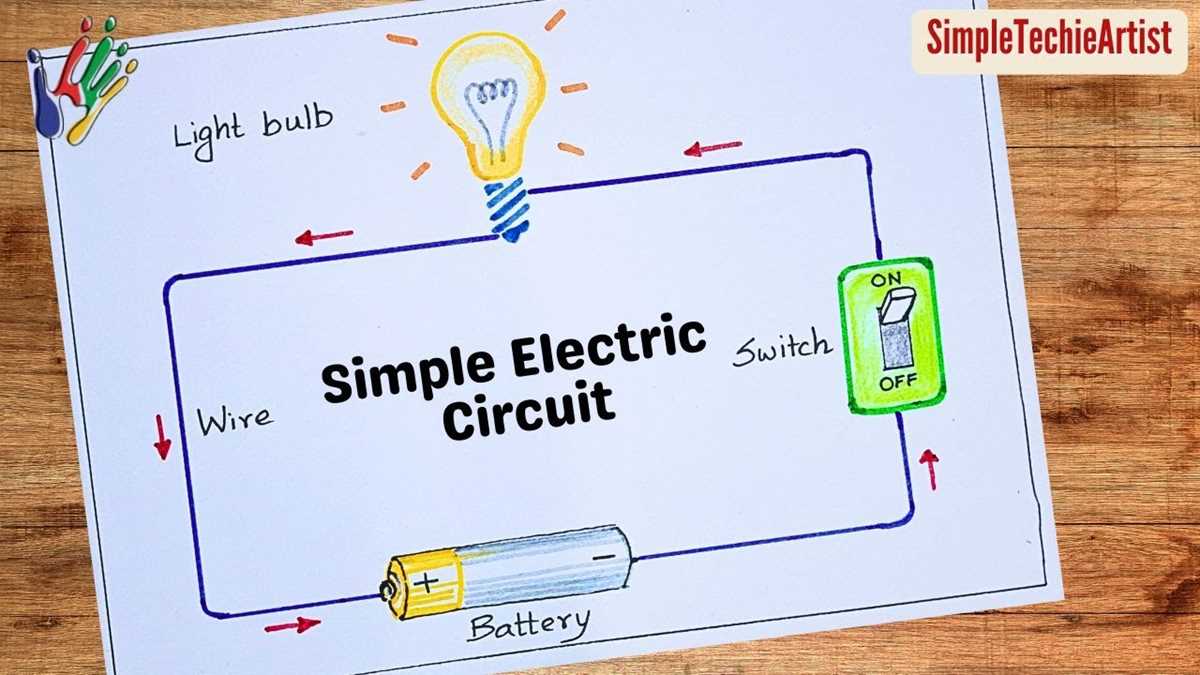
In some layouts, components are arranged in series, meaning current flows through one after the other. This setup results in a total resistance that is the sum of individual resistances. Parallel configurations, on the other hand, allow multiple paths for current, affecting the total resistance differently. Be sure to check the connections and identify whether a series or parallel arrangement is used.
Commonly Found Layouts in Household Wiring
- Lighting systems: Often designed with switches, bulbs, and sometimes dimmers, showing how current flows to light sources when toggled on.
- Power outlets: Represented with input terminals connected to power lines and output terminals for devices, highlighting voltage and safety measures.
- Appliances: Usually involve more complex setups with multiple components like motors, capacitors, and resistors, often drawn to show the power path and protection circuits.
Once you’ve reviewed the symbols and components, observe how the connections are made. Good designs ensure minimal resistance and prevent short circuits by clearly showing safety mechanisms like fuses and breakers. Always check for proper grounding to avoid any potential hazards.
How to Interpret Common Electrical Schematics
Start by identifying the key components in the layout. Each symbol represents a different part, such as resistors, capacitors, and switches. Pay attention to the orientation and placement of these symbols as they will determine how the current flows through the system.
Power sources are typically shown as two parallel lines or a specific icon. This component is always the starting point of the design. Follow the connections to determine how the energy is distributed across the rest of the setup.
Resistors are commonly depicted as a zigzag line. These components control the flow of energy and limit the amount that passes through. The value of a resistor can often be found next to the symbol or in the accompanying notes, indicating how much resistance it provides.
Capacitors are usually represented by two parallel lines or plates. These store and release energy as needed. To understand their role, check their position in relation to the other components; they often help stabilize voltage or smooth out fluctuations.
Understanding Connections
When examining the layout, focus on how components are connected. Series connections force the current to pass through each component in turn, whereas parallel connections allow current to flow through multiple paths simultaneously. Understanding this distinction is key to interpreting the system’s behavior.
Look for the ground symbol, often a set of horizontal lines stacked upon one another. This connection provides safety by ensuring any excess current is directed safely away. Proper grounding is essential for the protection of both the system and users.
Switches are typically shown as an open or closed gap in the line. The open gap indicates that the switch is off, while a closed gap means the switch is on. These components control the flow of current and are integral to turning parts of the system on and off.
Final Checks
Before drawing any conclusions, double-check all symbols and connections. Verify the power flow and ensure that all components are connected correctly. A common mistake is to overlook a small detail, such as a missing connection or incorrectly placed component, which can cause the system to malfunction.