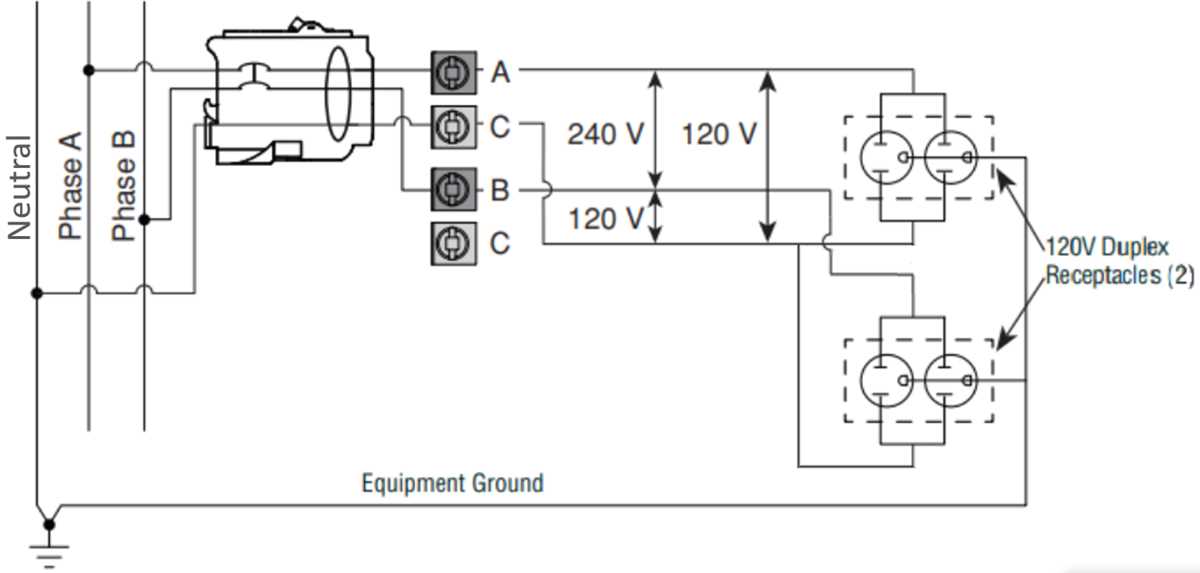
Ensure the main power supply is fully disconnected before handling any twin-switch assembly to prevent short circuits or electric shock. Use an approved voltage tester to confirm absence of live current.
Select terminals with a current rating matching the intended load and verify compatibility with the connecting cables. Conductors should be stripped to the correct length and free of insulation residue for secure contact.
Maintain clear labeling for each line and load terminal to avoid misconnection. Use color-coded wires and tags to differentiate hot, neutral, and ground paths in the panel.
Tighten all fastening screws to the manufacturer’s torque specifications to prevent overheating and ensure stable operation. Avoid over-tightening, which can damage the metal contacts or wire strands.
Check insulation and mechanical alignment of the switch assembly before restoring power. Ensure no wires are pinched, exposed, or touching neighboring terminals to minimize risk of arcing.
Dual-Throw Switch Installation and Connection Guide
Disconnect all power sources before starting the installation to avoid electric shock. Mount the unit securely in the panel, ensuring it aligns with the bus bars. Strip conductors to exactly 12 mm and insert into the appropriate terminals for hot lines, keeping neutral and ground wires separate. Tighten screws to the manufacturer’s recommended torque to maintain reliable contact and prevent overheating during operation.
Label each conductor clearly and verify polarity before restoring power. Test continuity with a multimeter across both input and output lines to confirm proper connections. Inspect insulation for nicks or loose strands, and ensure no metal parts are exposed. Only after these checks should the panel be energized, observing for any signs of sparking or abnormal heat to confirm a safe and stable installation.
Selecting the Correct Protective Switch and Load Capacity
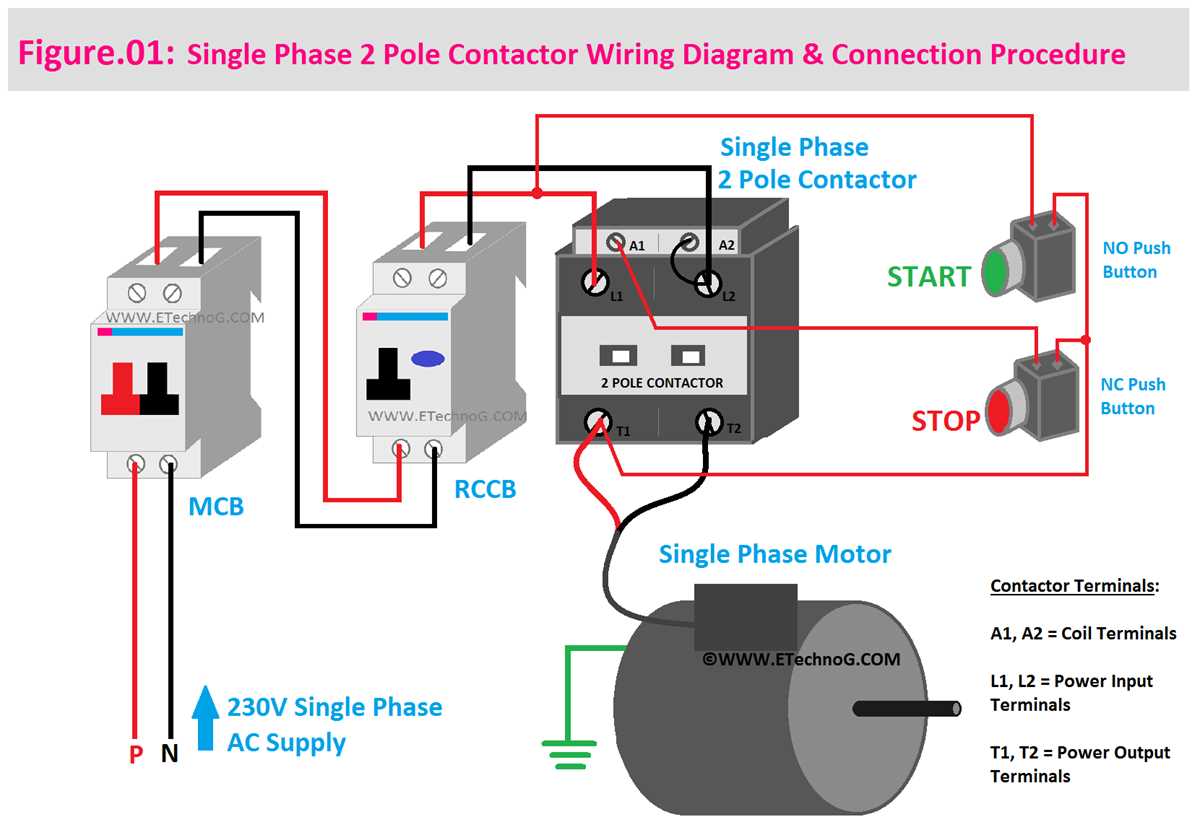
Determine the total amperage of the circuit by adding the rated current of all connected devices. Choose a dual-throw protective unit rated slightly above the calculated load to accommodate start-up surges without tripping unnecessarily. Verify that the selected unit matches the panel type and bus configuration to ensure mechanical and electrical compatibility.
Consider the type of load–resistive, inductive, or motor-driven–when selecting the protective switch. For inductive or motor loads, apply a 125% safety margin on current rating to prevent nuisance tripping during initial current spikes. Ensure terminals can accept the wire gauge required by the total load, and confirm that the unit’s interrupting capacity exceeds the potential fault current at the installation point.
Maintain a clear labeling system for each circuit to track the load distribution. Regularly inspect and tighten connections, especially in high-current circuits, to reduce resistance and prevent heat buildup. Using these guidelines ensures the protective switch operates reliably while safeguarding equipment from overload or short-circuit conditions.