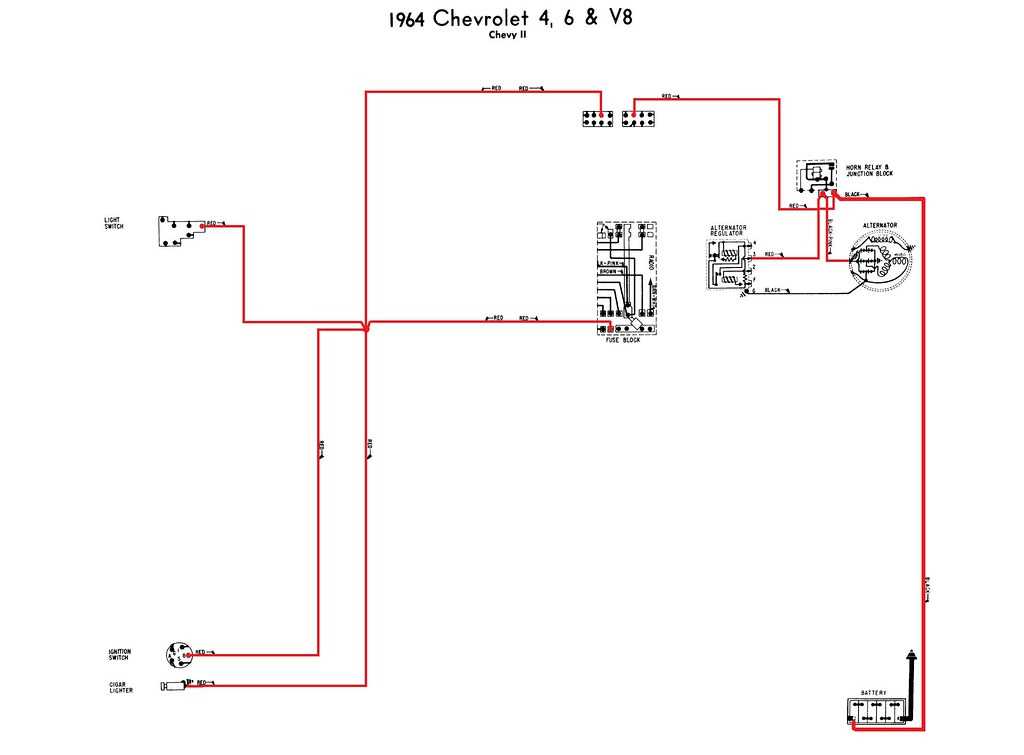
Start by inspecting the key components involved in the ignition process. Check the battery, solenoid, and relay connections for corrosion or damage. A common issue arises when the battery terminals are not properly secured or the cables are corroded, causing an unreliable connection. Cleaning the terminals and ensuring tight connections will prevent many starting issues.
Next, focus on the connection between the ignition switch and the solenoid. This part is crucial for initiating the engine’s turnover. If the system fails to engage, it might be due to a broken or disconnected wire in this area. In some cases, a faulty switch could be the root cause, so testing it with a multimeter can provide valuable insight.
When troubleshooting, always consider grounding issues as well. A poor ground connection can interrupt the flow of current and prevent the system from functioning properly. Replacing or cleaning the ground wire might resolve unexpected starting failures.
Understanding the Key Connections in the Starting System
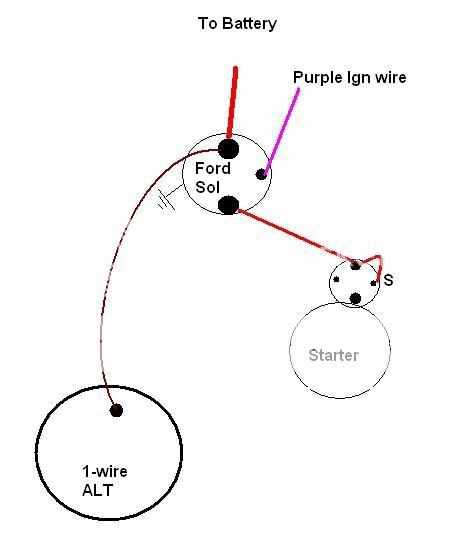
First, ensure the power supply to the system is uninterrupted. A direct connection from the battery to the solenoid provides the necessary voltage to engage the engine. Check the positive terminal for corrosion and ensure the cable is intact. If there’s resistance at this point, it can delay or prevent the engine from turning over. Also, inspect the ignition relay, as a faulty one can prevent the system from sending a signal to the solenoid. Testing the relay with a multimeter helps identify any potential issues quickly.
Next, focus on the grounding connections. If there is a weak or broken ground wire, the engine won’t start, as the circuit isn’t completed. Make sure the ground cable is securely fastened to the vehicle’s chassis. Clean any rust or debris where the wire makes contact to avoid poor electrical flow. A solid ground ensures the current moves smoothly through the system, providing power to the necessary components for successful engine startup.
Understanding the Chevy Starter System Wiring Components
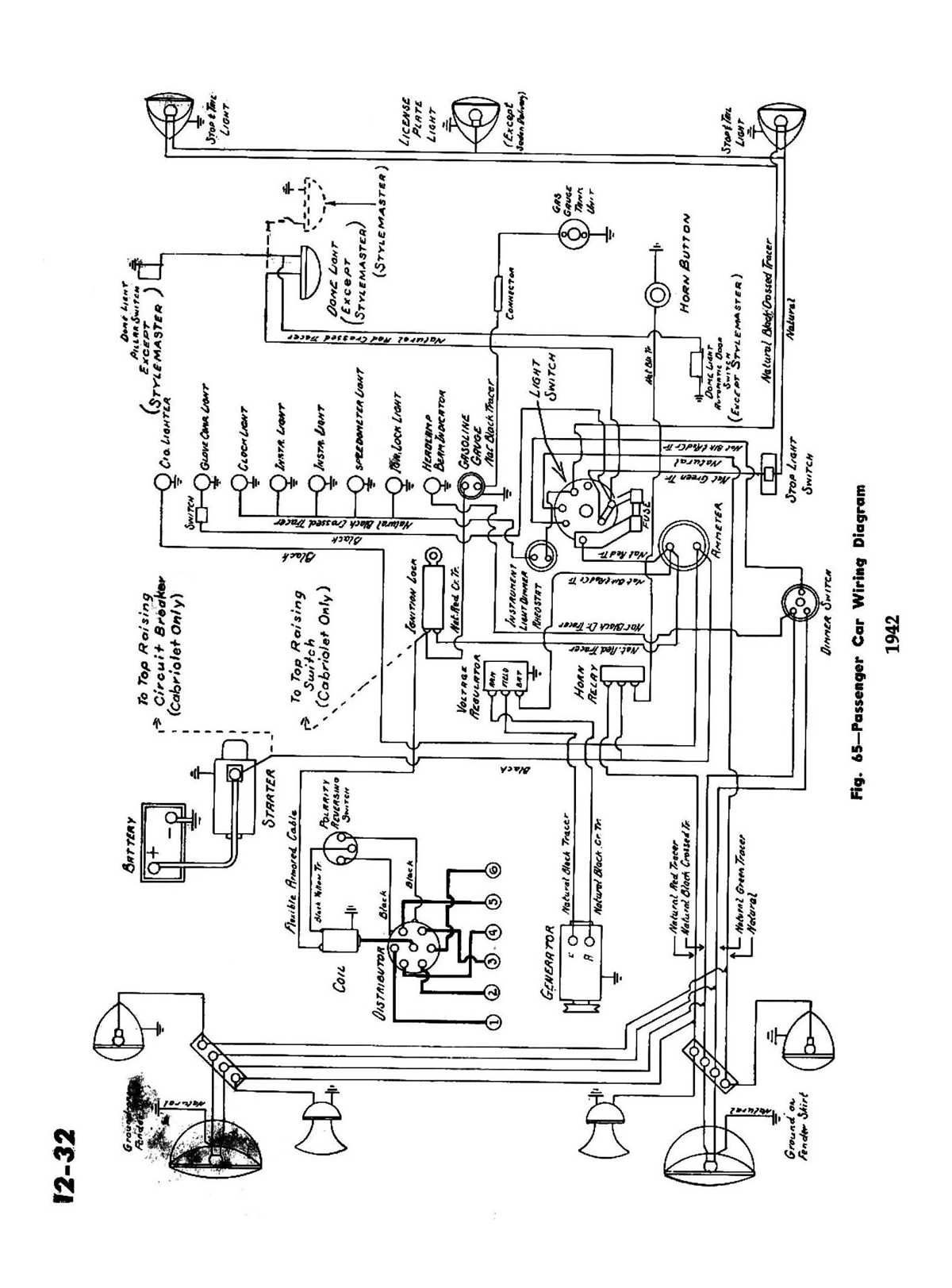
The first component to check is the battery, which provides the electrical power to the system. Ensure the battery terminals are clean and tightly connected. A loose connection here can cause voltage drops, leading to a failure in engaging the engine. If the battery is weak or old, it might be unable to supply the necessary charge, resulting in startup issues.
The solenoid is the next critical part in the starting sequence. It acts as a switch, directing electrical current from the battery to the motor when the ignition is turned on. Inspect the solenoid for any visible damage or signs of wear, as a malfunctioning solenoid may prevent the system from completing the circuit and starting the engine. Testing it with a multimeter can help identify faulty components.
Next, focus on the ignition relay. This part is responsible for transferring the signal from the ignition switch to the solenoid. If the relay fails, the solenoid may not receive the signal to engage, preventing the engine from starting. Test the relay for continuity with a multimeter, and replace it if it shows no continuity when engaged.
The starter motor itself is another key element in the system. This motor is responsible for cranking the engine once it receives power from the solenoid. Check the motor for signs of wear, such as unusual noises or lack of movement when the system is engaged. If the motor does not turn over, it may need to be replaced or repaired.
Grounding is often overlooked but plays a significant role in the proper functioning of the system. Ensure the ground cable is securely attached to the chassis and free of corrosion. A poor ground connection can result in insufficient current flow, leading to startup failures. Clean and tighten the ground cable to ensure optimal performance.
The ignition switch itself can also be a point of failure. If the switch is faulty, it may not properly send the signal to the relay, preventing the solenoid from receiving power. Inspect the ignition switch for signs of wear or malfunction, and consider testing it to verify proper operation.
In addition to these major components, there are also various fuses and circuit breakers that protect the system from electrical overloads. If any fuse is blown, it will stop the flow of electricity to critical components, preventing the engine from starting. Check all related fuses, and replace any that are damaged or worn.
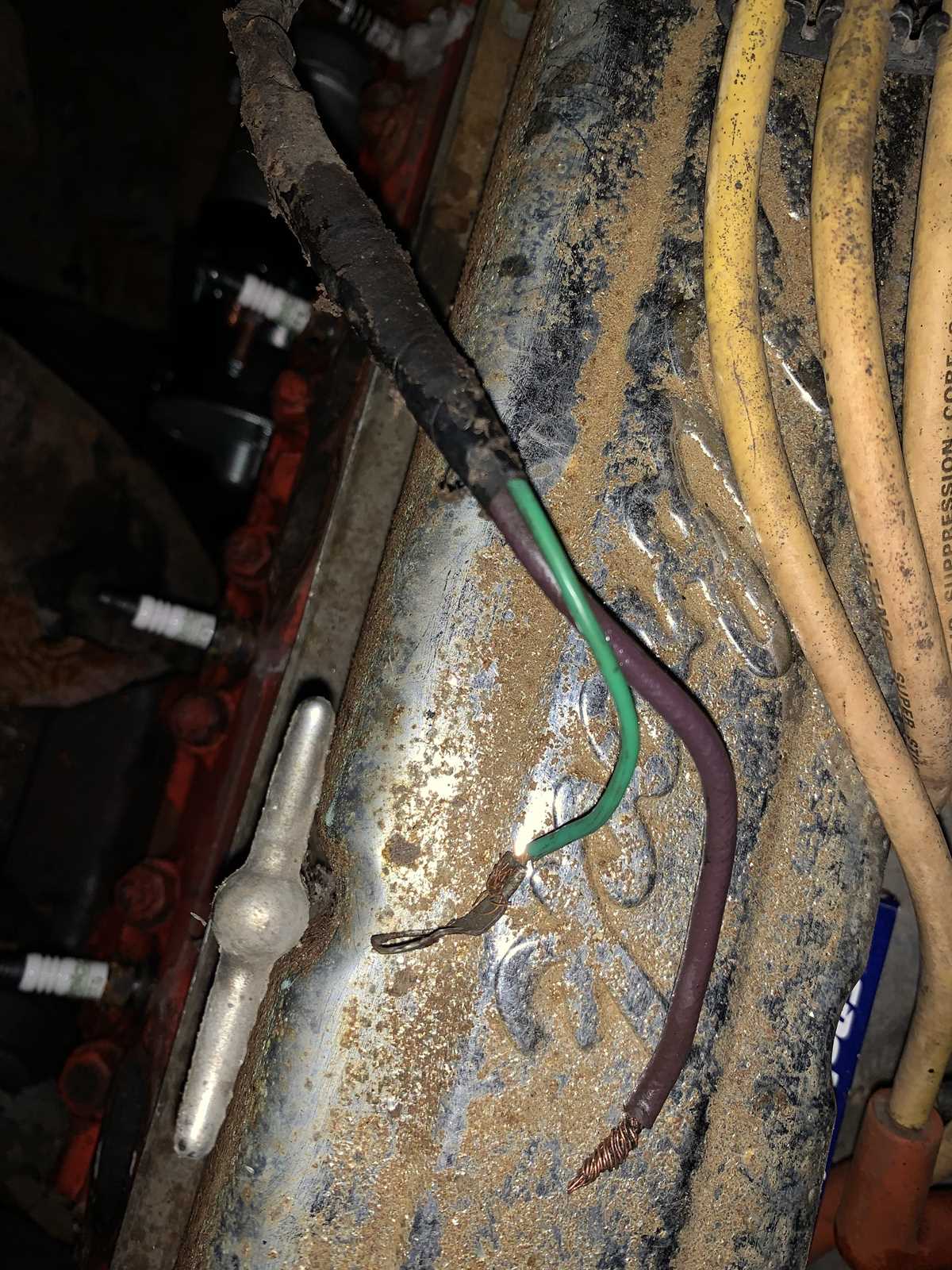
Lastly, the quality and condition of all connecting wires cannot be overlooked. Damaged or frayed wires can disrupt the flow of electricity and cause intermittent starting problems. Inspect all wires for any signs of damage, and replace them as necessary to ensure smooth and reliable operation.