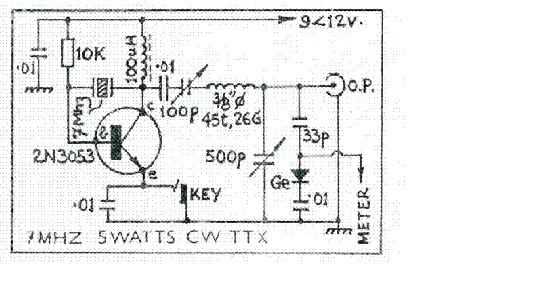
Select transistors, capacitors, and resistors that match the desired frequency range and power handling. Verify voltage and current ratings from datasheets to prevent component damage during operation. Use low-noise components for clearer signal transmission.
Arrange components on a prototyping board before final assembly. Position coils, oscillators, and tuning elements to minimize lead length and reduce stray interference. Short, clean connections improve signal quality and stability.
Test output using a frequency counter or receiver. Adjust tuning capacitors and inductors to target specific bands accurately. Monitor component temperature and add heat sinks or ventilation for stable long-term operation.
Include protective measures like fuses or current-limiting resistors. These prevent accidental overload and improve the reliability of the setup during experimentation or practical use.
Step by Step Guide to Building a Personal Communication Electrical Setup
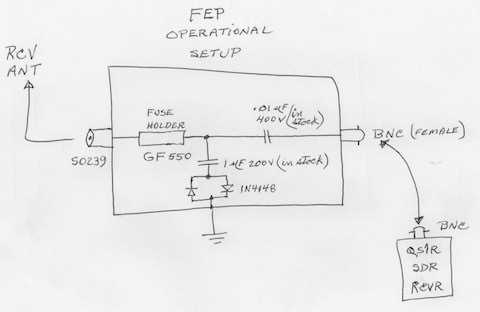
Begin by selecting components that meet your frequency and power requirements. Choose transistors capable of handling the maximum current, capacitors with voltage ratings above supply levels, and resistors rated for expected power dissipation. Use low-noise elements to improve signal clarity.
Assemble components on a prototyping board before final soldering.
- Place oscillators, coils, and tuning elements according to a planned layout.
- Keep lead lengths short to minimize stray radiation and interference.
- Use stable connections and avoid crossing wires to reduce noise.
Test the setup using a frequency counter or receiver. Adjust inductors and capacitors to achieve target bands accurately. Monitor temperatures during operation, and install heat sinks or provide airflow where necessary. Include fuses or current-limiting resistors to protect sensitive components from overload and ensure reliable long-term performance.
Choosing Components and Power Requirements
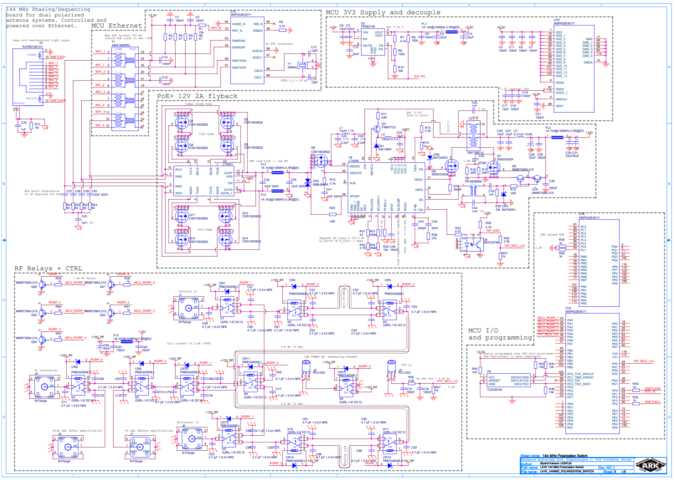
Verify the voltage and current ratings of all components before assembly. Exceeding these limits can damage transistors, capacitors, and resistors. Consult datasheets to ensure each element can handle the expected load continuously.
Select transistors based on switching speed and low-noise performance. Fast-switching types improve signal stability, and low-noise components reduce distortion in transmitted and received signals.
Choose capacitors and resistors according to supply voltage and expected current. Ceramic capacitors are suitable for high-frequency tuning, while electrolytic types can handle higher energy storage needs. Use resistors rated above the anticipated power to prevent overheating.
Include inductors and coils with stable inductance at operating frequencies. Check quality factor (Q) values to ensure minimal energy loss. Proper coil selection improves tuning accuracy and overall signal clarity.
Calculate total current draw to select an appropriate power supply. Consider peak and continuous currents, and choose a regulated supply that maintains voltage stability with minimal ripple for consistent operation.
Add protection elements such as fuses or current-limiting resistors. These devices prevent component damage during overloads or short circuits and enhance long-term reliability of the electrical setup.
Double-check polarity and connections before powering the system. Incorrect orientation can block signals or damage sensitive parts. Mark terminals clearly and verify layout against reference schematics to ensure safe operation.