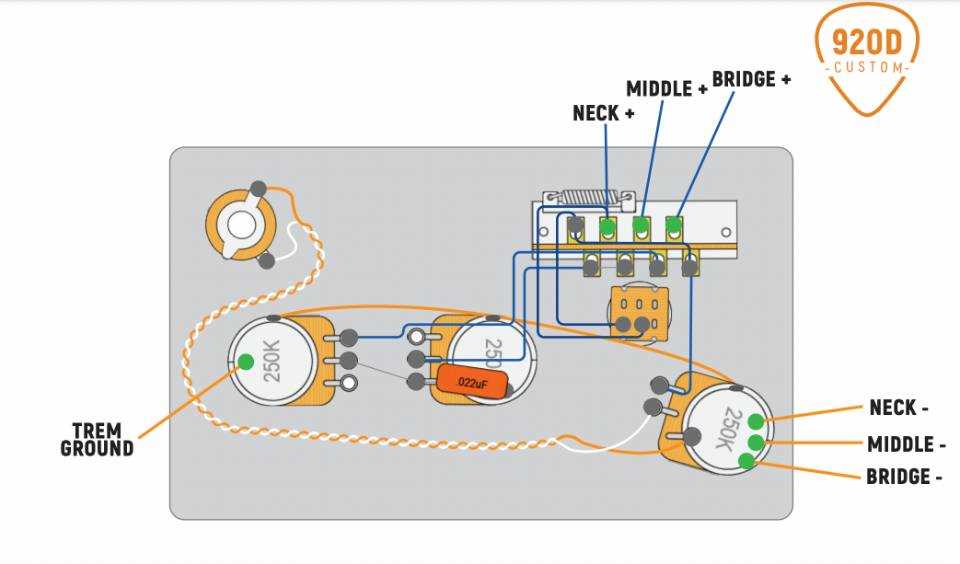
To begin, identify the power connections for the pickup selector and volume controls. The red lead should be connected to the power input terminal, while the ground lead connects to a metal point on the guitar body. These steps will provide a clean power source to your system and reduce noise interference.
Next, focus on linking the tone and volume pots. These components help you modify the signal before it reaches the output. Ensure the potentiometers are correctly installed, and the wire connections are solid. Poor connections can result in unstable signal output or a loss of sound quality.
For greater control over sound characteristics, consider wiring the pickups in different configurations. This can allow for various tonal changes, from bright and sharp to smooth and mellow, depending on the positioning of the selector switch. By adjusting this setup, you can significantly affect your instrument’s sound palette.
After connecting everything, double-check that all components are correctly installed and that there are no loose wires or faulty connections. Test the system with the guitar plugged into an amplifier and make necessary adjustments to the tone controls and switches. A stable setup will ensure consistent performance across different playing styles.
Understanding the Basics of Pickup and Control Connections

To ensure proper sound functionality, it’s important to connect each pickup to the corresponding input pins on the switch. The neck, middle, and bridge pickups should each have their own dedicated input, allowing for smooth transitions between different tonal settings. Make sure to double-check each lead for a secure connection to avoid issues like signal drop or static interference.
For the tone and volume control, connect the pots to the output jack. The potentiometers help adjust the sound by modifying the resistance in the signal path. Always solder the wires to the correct terminals on the potentiometers to prevent incorrect signal routing, which could result in poor performance or a lack of control over the sound.
Customizing Pickup Configurations for Different Tones
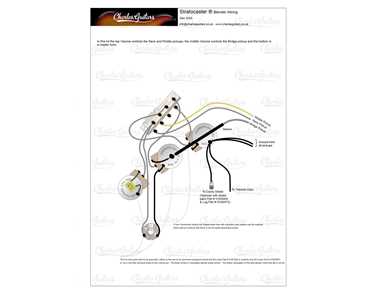
Experiment with different pickup configurations to find the sound that suits your style. Wiring the pickups in parallel or series changes the signal strength and frequency response, giving you greater flexibility over the output. If you want a brighter tone, try a parallel wiring setup; for a fuller sound with more bass, go for a series configuration. These adjustments can make a noticeable difference in how the guitar sounds during performance.
How to Wire a 5-Way Pickup Switch on a Guitar
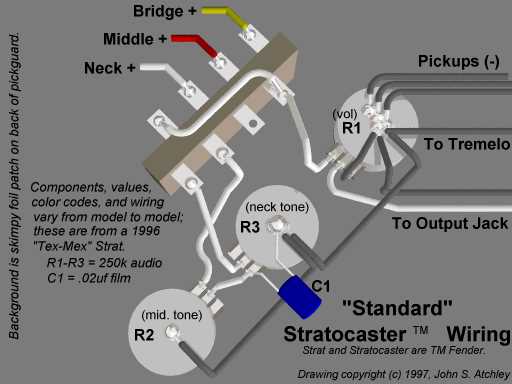
Start by identifying the 5-way switch terminals. The switch typically has eight pins: one for input, one for ground, and six for connecting the pickups. The middle pin will be the common pin, where the input from the signal comes in.
Next, connect the neck pickup to the first terminal, the middle pickup to the second, and the bridge pickup to the third. Each pickup must be wired to its respective position on the switch, ensuring that the correct pickup is activated depending on the switch setting.
To complete the switch’s function, connect the ground pin to the back of the volume potentiometer. This will establish the return path for the signal and prevent unwanted hum. Make sure to use a secure solder joint to avoid weak connections.
Testing the Connections
Once the switch is wired, test each position by toggling through the five settings. Each pickup should activate as expected, from the neck pickup to the bridge pickup. If there’s no sound or inconsistent output, check the wiring for loose connections or incorrect terminal placement.
If all positions are working properly, you can proceed to connect the switch to the rest of the controls, such as the tone pots and output jack. Ensure that all wires are neatly organized to prevent shorts or interference with other components.