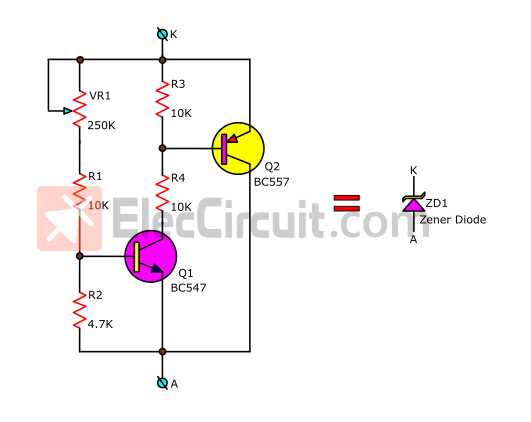
Always check the orientation of the semiconductor component before connecting it to the power source. Reversing polarity can block current flow and may damage sensitive elements in the electrical setup.
Use a basic schematic to plan your connections accurately. Label the anode and cathode clearly and verify that the power supply matches the voltage rating of the element to prevent overheating.
Measure voltage drops across the element during testing. Typical silicon components show about 0.7 volts in forward bias, while germanium types display roughly 0.3 volts. Document these values to ensure correct installation.
Incorporate protective resistors to limit current. Calculating resistance according to the supply voltage and desired current prevents excessive flow that could lead to component failure.
Maintain clear traces and avoid overlapping connections. Clean layouts reduce the risk of short circuits and make troubleshooting easier during experimental setups or repairs.
Guide to Understanding and Building a Circuit Layout Featuring a Diode
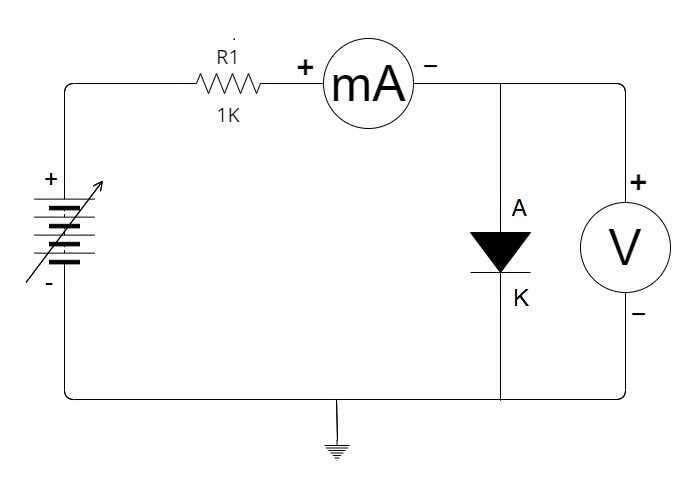
Always identify the anode and cathode before making connections. Use colored markers or labels on your schematic to avoid reversing polarity, which can prevent current from flowing and potentially damage other components. For silicon elements, expect a forward voltage drop around 0.7 volts, while germanium types typically drop about 0.3 volts. Incorporate a series resistor calculated from the supply voltage and desired current to protect the component from excessive flow.
Arrange pathways clearly and minimize overlapping traces. This approach reduces interference and simplifies troubleshooting. When testing, measure voltage across the semiconductor under operating conditions to confirm proper function. Keep leads short and maintain solid solder joints to ensure stable connections and long-term reliability in your electronic setup.
Identifying Diode Symbols and Polarity in Schematics
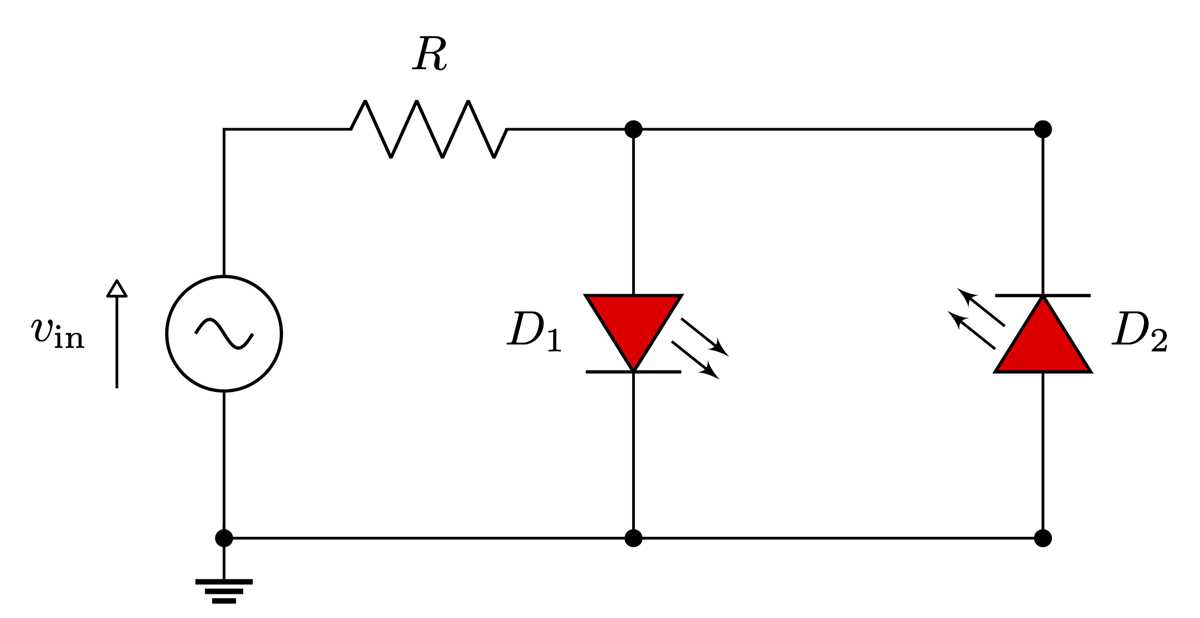
Check the orientation symbols carefully before making connections. The triangle in a schematic points toward the cathode, while the line indicates the negative terminal. Reversing these connections can block current flow and damage other elements in your electrical setup.
Use consistent labeling to avoid confusion in complex assemblies. Mark each component’s positive and negative terminals and cross-reference with supply voltage. For standard silicon elements, the forward voltage drop is about 0.7 volts, while germanium shows roughly 0.3 volts. Keeping a small reference table helps speed up assembly and testing.
Verify symbols against datasheets when using unfamiliar components. Some variations, like Schottky or LED types, may have different forward voltage and maximum current ratings. Confirming the correct part ensures that your layout performs as intended without overheating or failure.
Trace connections visually before powering the setup. Ensure no loops or shorts exist between terminals. Solid solder joints and clear separation between traces reduce errors and make troubleshooting faster during experimental or repair work.