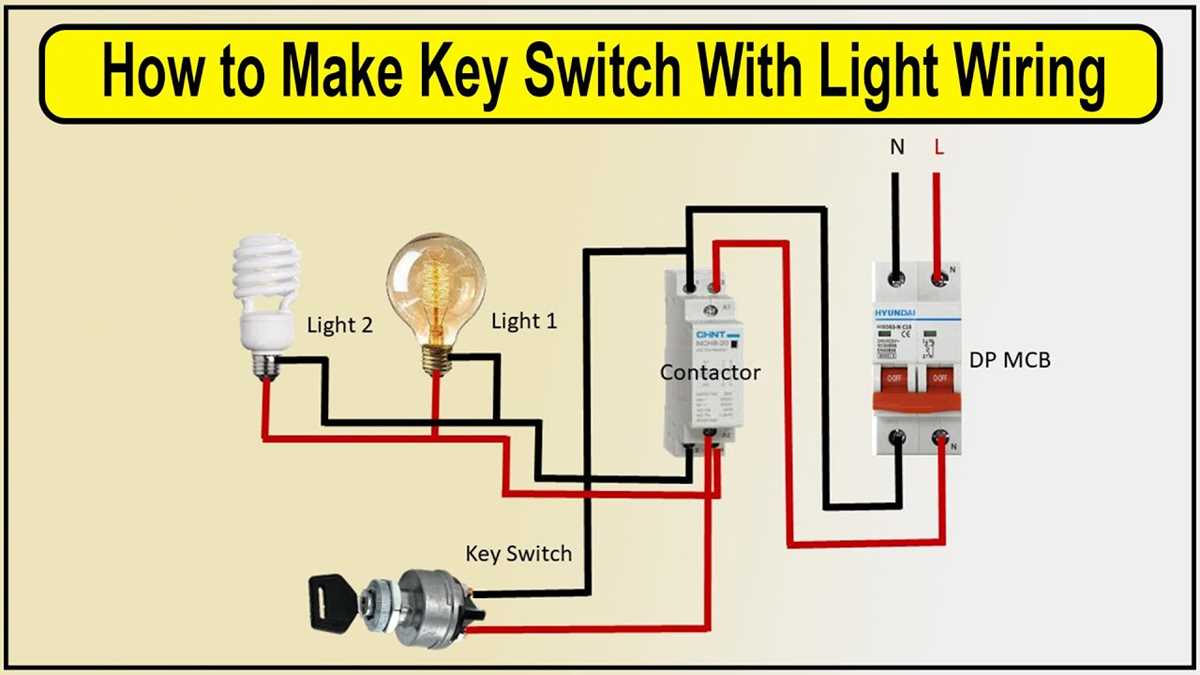
Verify the battery voltage before attempting any modifications to the ignition circuit; a multimeter reading below 12.4 volts can cause inconsistent activation of the starter relay. Identify the main terminals on the housing, usually labeled as BATT, ACC, and START, to prevent misrouting of the feed lines.
Use color-coded cables to trace the path of each conductor. Red wires typically carry continuous power from the battery, while yellow or green leads often serve accessory circuits. Confirm continuity with a test light before making permanent connections.
Secure the connectors with insulated crimps or solder joints, then wrap with heat-shrink tubing. Loose contact points are the most frequent cause of intermittent engagement failures in starter mechanisms. Avoid bundling multiple high-current paths with signal lines to reduce voltage drop and interference.
Label each terminal clearly on both the housing and the harness. Incorrect matching can result in blown fuses or damaged relays. Maintain a minimum gap of 3 inches between high-amperage cables and low-voltage circuits to prevent electromagnetic induction issues.
Test the completed assembly under controlled conditions before installing it in the vehicle. Observe the sequence from accessory engagement to engine cranking, verifying that each relay clicks in the correct order. Document any anomalies immediately to simplify troubleshooting.
Ignition Control Assembly Connection Layout
Locate the accessory power line first; it should be red with a 12V rating. Connect it directly to the battery terminal through a 15-amp fuse to prevent overload.
The starter engagement lead, usually thicker and yellow, must attach to the solenoid input. Ensure the terminal is clean and corrosion-free for consistent cranking.
For dashboard signal integration, route the green wire to the indicator relay. Use insulated connectors to avoid short circuits, especially near metal panels.
Safety Interlocks
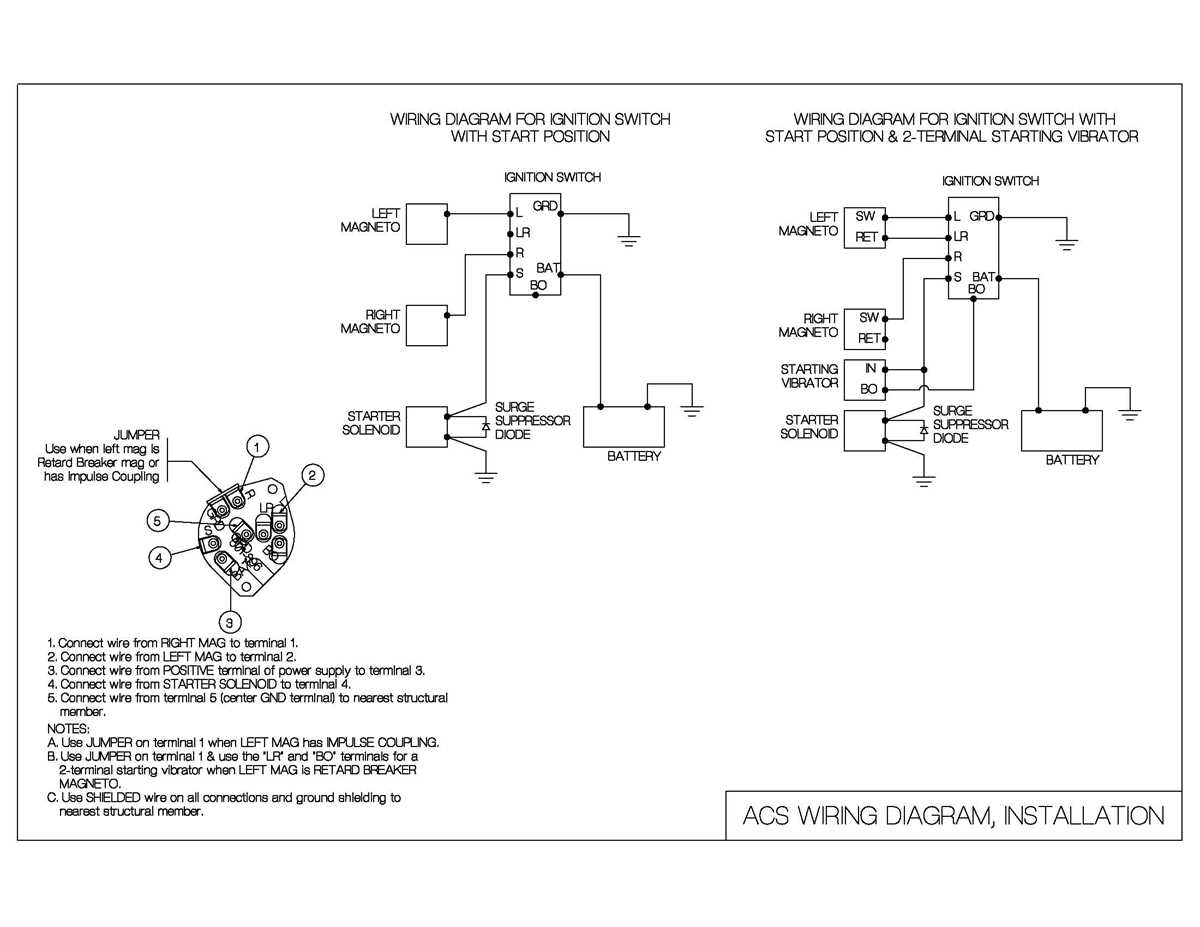
- Neutral position sensor wire (blue) must interface with the safety relay.
- Brake pedal connection (white) ensures activation only under safe conditions.
- Ensure all terminals are tightened to 0.8–1.2 Nm torque to avoid intermittent faults.
Ignition coil feed is usually black with a white stripe. Connect it directly to the main distribution bus. Avoid splicing with unrelated circuits to prevent voltage drop.
Test continuity using a multimeter between each lead and its destination. Resistance above 0.5 ohms indicates a loose or corroded connection that must be corrected before operation.
Label all harnesses using heat-shrink markers. Document the sequence for future troubleshooting, especially for models with multiple accessory outputs and start positions.
Identifying Wire Colors and Terminal Functions
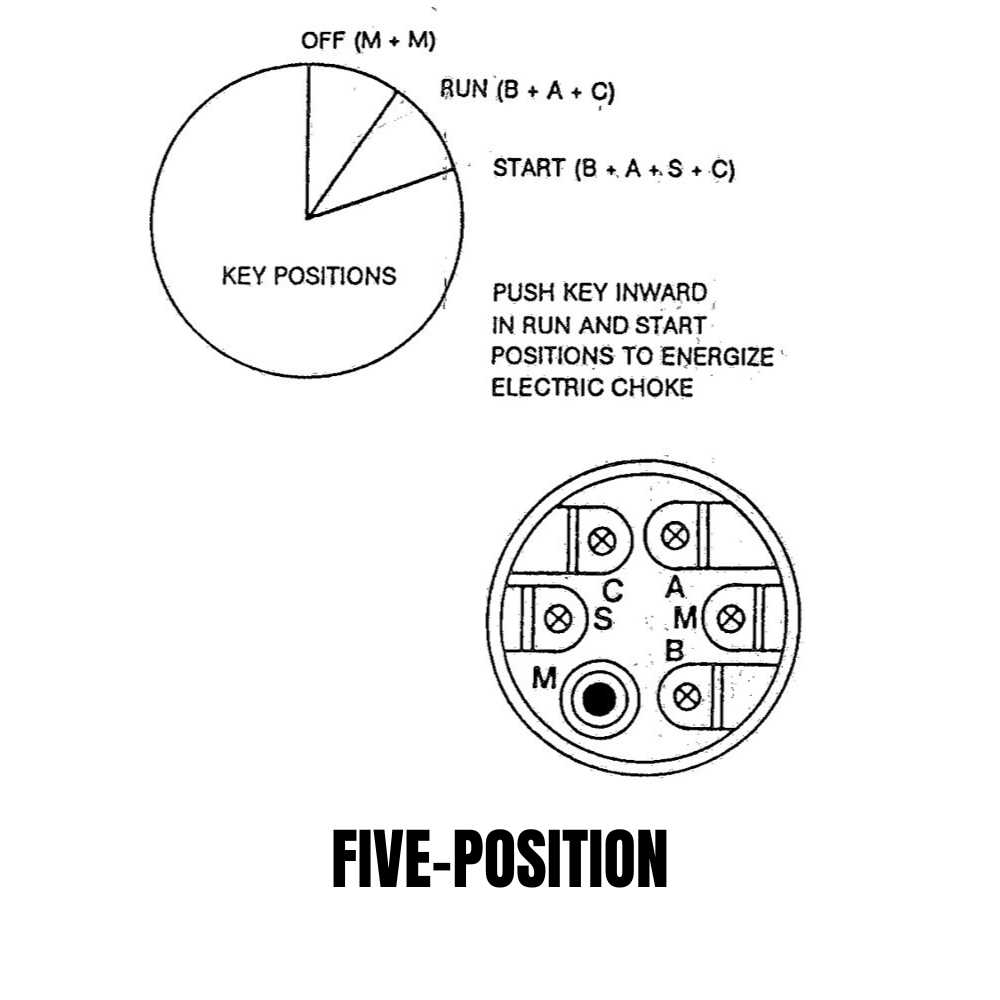
Check the color coding before connecting any lead. Red typically carries constant voltage from the battery, while yellow or brown often routes power to the accessory circuits.
Black wires are usually ground paths. Confirm continuity to a known chassis point to avoid accidental shorts or damage to electronics.
Green or blue leads often indicate signal feeds to relays or indicators. Label each strand clearly when tracing through the harness to prevent confusion.
Terminal Labeling
Metal connectors usually have stamped abbreviations. “BATT” signals constant power, “ACC” provides temporary current for auxiliary devices, and “IGN” feeds the main control circuits.
Some connectors feature small diagrams embossed near the pins. Compare these with a reference chart from the vehicle or equipment manufacturer to ensure correct connections.
Color Verification Techniques
Use a multimeter to measure voltage at each lead. A reading of 12V on red confirms battery feed, while zero volts on black confirms proper grounding.
Label each wire with tape and marker during disassembly. This prevents mistakes when reassembling, especially when multiple circuits share similar hues.
Document terminal functions and wire colors in a chart for future maintenance. Include amperage ratings if available to prevent overloads or connector damage.
For vehicles with modular connectors, check for keyed slots that prevent incorrect insertion. Even with matching colors, forcing a mismatched pin can cause permanent failure.
Consider using color-coded heat shrink tubing for repairs. This adds clarity and durability, maintaining the original function and reducing the chance of miswiring during future service.