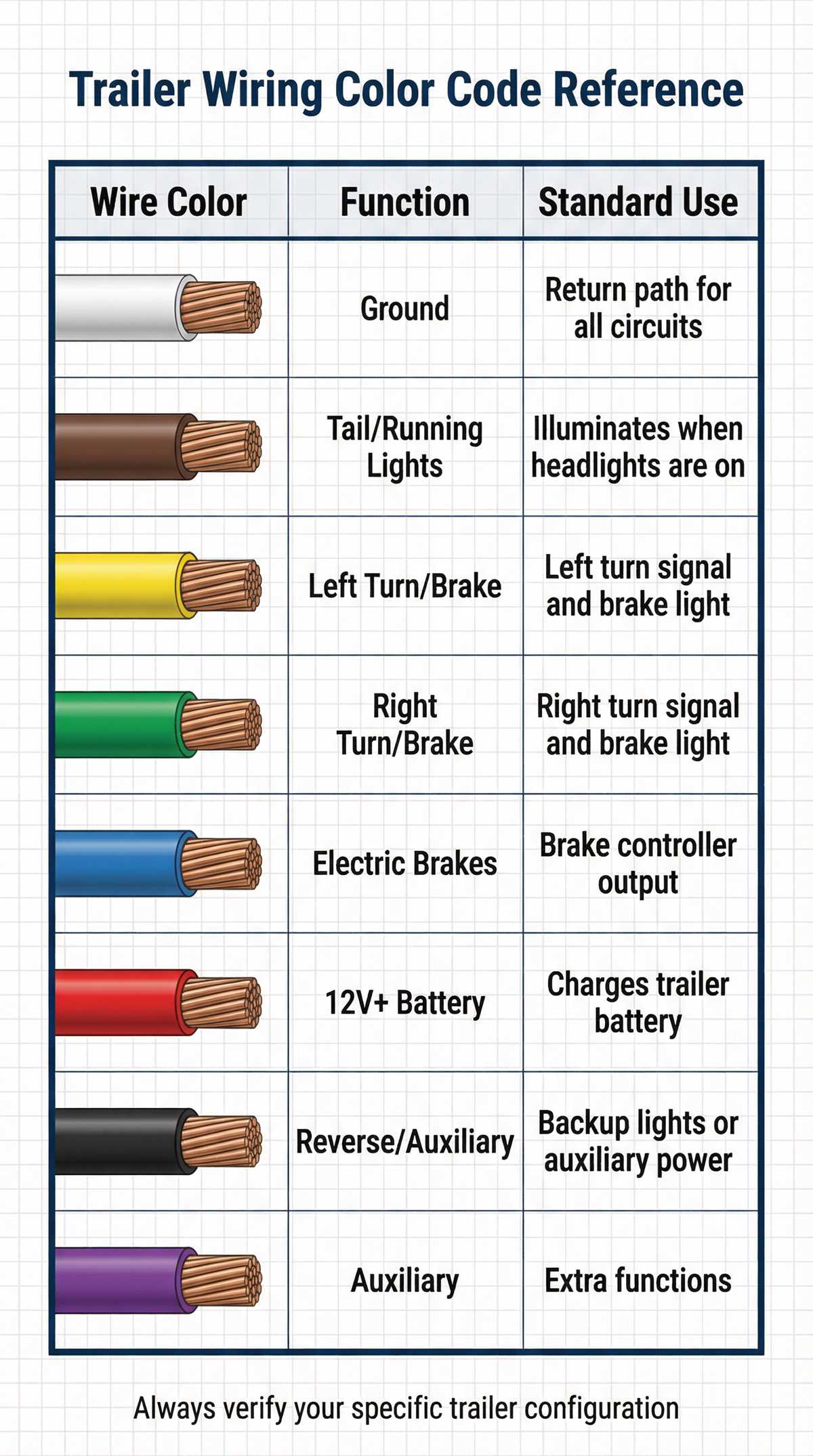
Identify the main controller and connector pins before making any connections. Standard color codes include red for power supply, blue for braking signal, green for turn indicators, and white for ground. Verify each pin with a multimeter to prevent misconnection.
Route all conductors along protective channels to avoid contact with moving parts or hot surfaces. Use split tubing or clamps to secure lines and prevent abrasion or insulation damage during operation.
Test each function individually by activating the controller. Observe brake activation, turn signals, and running power to ensure proper response without cross-interference or voltage drops.
Label all connections at both ends using durable tags. Clearly mark power, control, and ground lines to simplify future maintenance or troubleshooting tasks.
Inspect voltage stability under load conditions. Consistent readings at the controller and connector terminals confirm correct installation and reliable operation during towing.
Trailer Brake Electrical Connection Guide
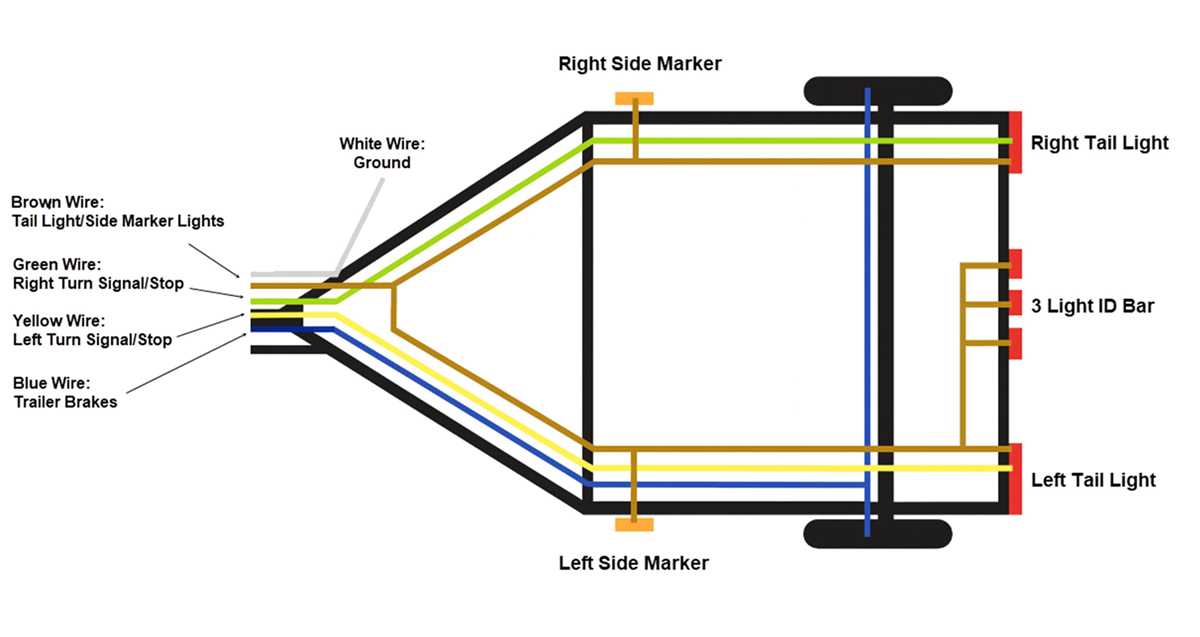
Start by locating the main controller on the tow vehicle and identifying each pin by function. Red wires typically carry battery voltage, blue signals braking activation, green handles turn indicators, and white serves as the ground connection.
Inspect all connectors for corrosion or damage before attaching conductors. Clean terminals with contact cleaner and ensure snug connections to prevent intermittent operation during travel.
Route conductors along protected paths away from hot engine components, moving parts, and sharp edges. Use split tubing or clamps to secure lines and prevent insulation wear from vibration or friction.
Testing Connections
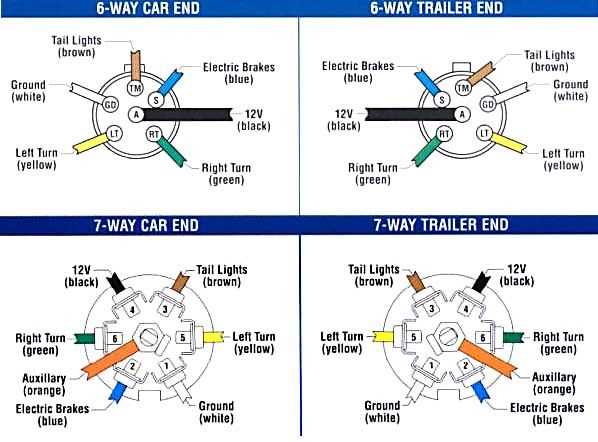
Activate the controller and observe each function individually. Verify that braking signals engage promptly, turn indicators flash correctly, and the running power remains consistent under load.
Measure voltage at key terminals during operation to confirm stable power delivery. Significant drops indicate resistance or loose connections that must be corrected before towing.
Maintenance and Labeling
Label all conductors at both ends with durable tags identifying power, signal, and ground lines. This simplifies future troubleshooting, prevents misconnection, and ensures consistent performance over time.
Identifying Brake Controller and Connector Pins
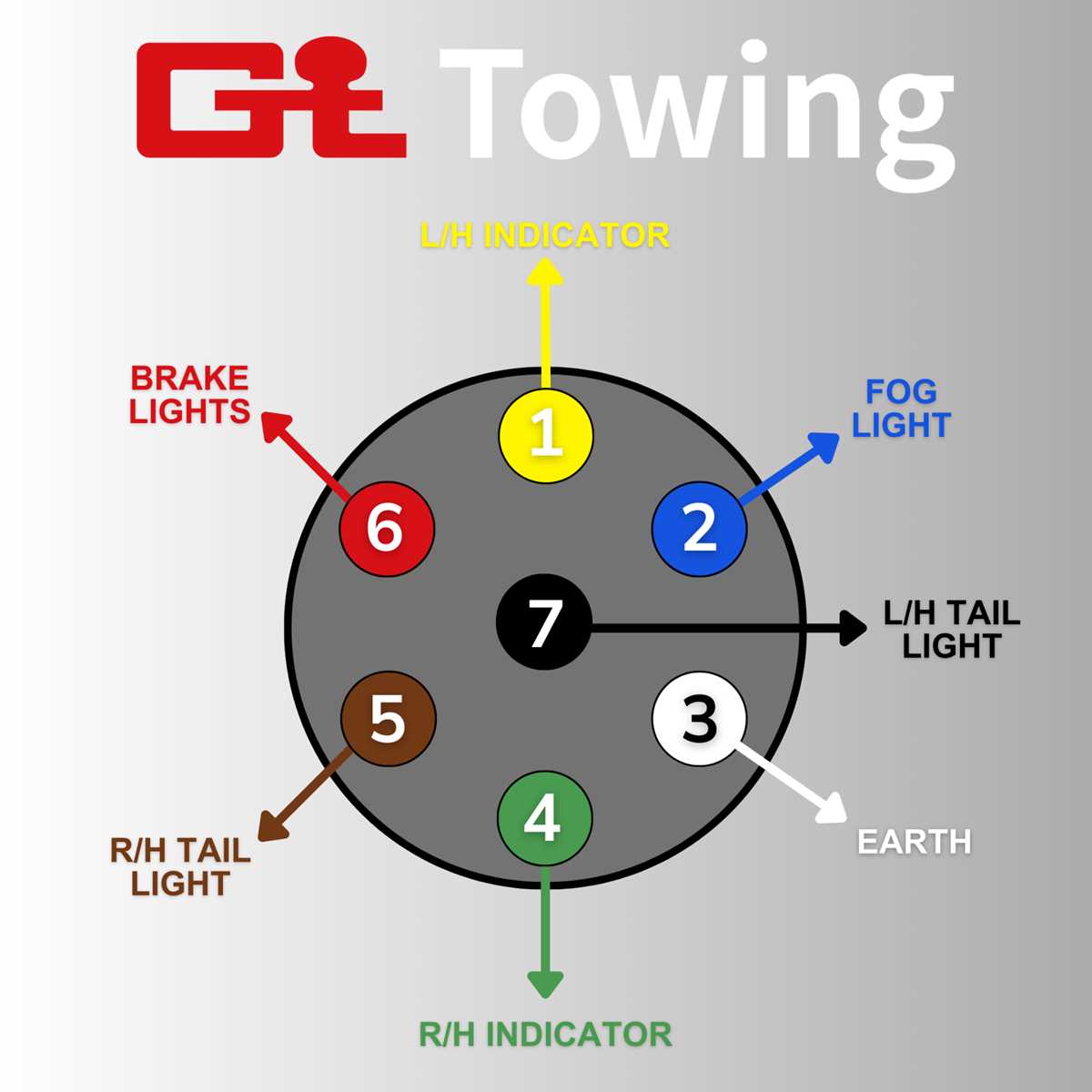
Locate the main control unit on the towing vehicle and examine the connector carefully. Pins are usually arranged in a standardized layout, with each position corresponding to a specific function.
Red pins carry constant power from the battery and must maintain a clean, tight connection to avoid voltage drops. Use a multimeter to confirm 12V presence before connecting other lines.
Blue pins transmit activation signals to the braking system. Check continuity with a test light while the controller is engaged to ensure proper response and no intermittent contacts.
Green pins manage turn indicators and are critical for signaling. Confirm each conductor is correctly seated and free from corrosion or fraying that could interfere with signal transmission.
White pins serve as ground paths and must connect to a reliable chassis point. Poor grounding can cause erratic operation or failure of multiple functions simultaneously.
Label each pin after verification to prevent mistakes during reconnection. Durable tags or color-coded sleeves help maintain clarity during installation and future maintenance.
Use a pin chart or manufacturer guide to cross-reference unknown connections. Even minor deviations in pinout can result in functional errors or short circuits.
Regularly inspect pins for oxidation or wear, especially after exposure to moisture or vibration. Clean and reseat connectors periodically to ensure long-term reliability of the electrical system.