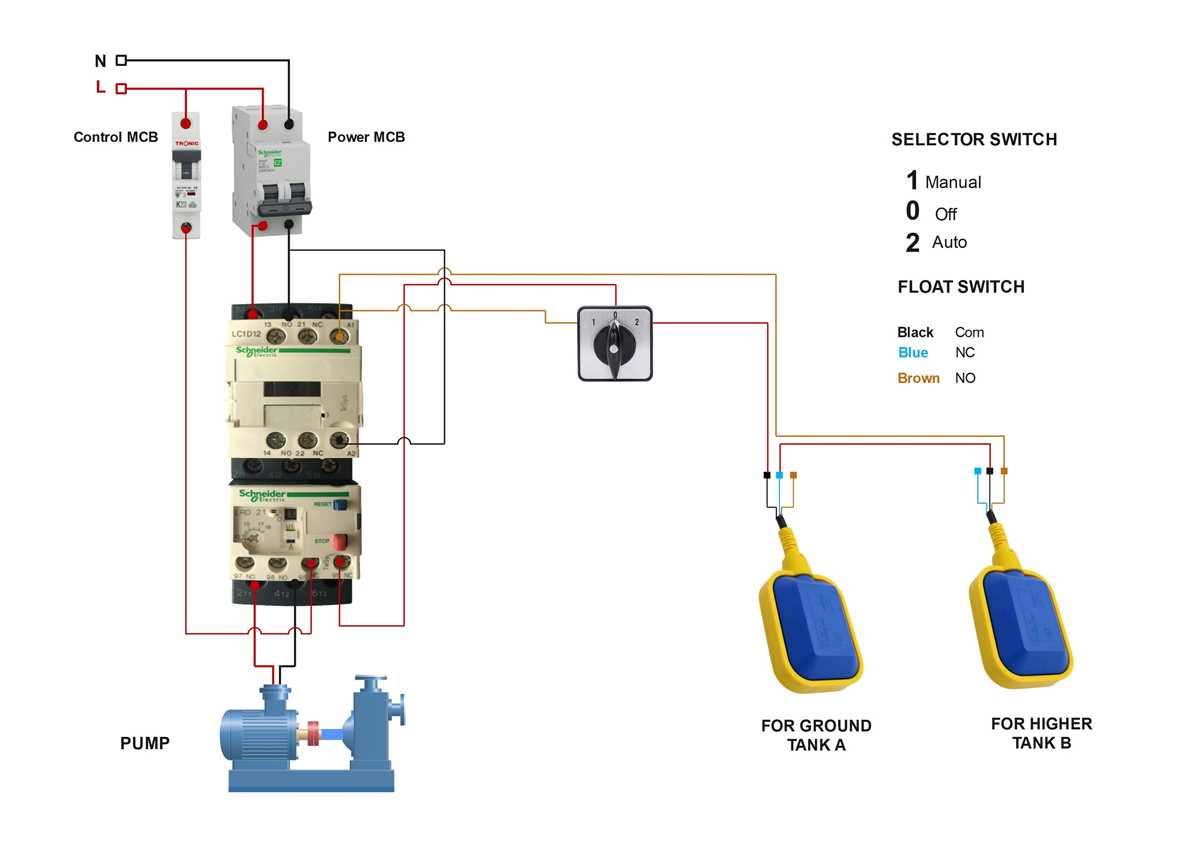
When installing a two-point level control system, the first thing to ensure is that the wiring follows proper sequence. Begin by connecting the power supply to the input terminals of the device. The first step is to wire the control circuit to the two sensors–one positioned at the lower level and the other at the upper level. Ensure that the conductors are firmly attached and insulated to prevent any accidental contact or short circuits.
Next, make sure that the sensor’s output is correctly connected to the load. The load could be a pump, valve, or any other device that you want to control based on the water level. The load will only be activated when the water reaches a certain level, and the system should deactivate once the desired level is achieved. This automatic function is what allows for efficient operation, especially in pumps or water tanks.
For proper operation, it’s vital to ensure that both sensors are set to trigger the desired action at the appropriate levels. The lower sensor will activate the load when the level falls below the set point, while the upper sensor will deactivate the load once the level reaches the desired maximum. Calibration of both sensors is necessary for accurate operation, and it’s important to verify the trigger points before fully activating the system.
Lastly, once everything is connected and calibrated, test the system for functionality. Check if the sensors properly sense the fluid levels and trigger the devices at the set points. Any issues during the testing phase, such as unresponsive sensors or incorrect timing, should be addressed by double-checking connections and sensor calibration.
Understanding the Components of a Two-Point Level Control System
The system consists of two key elements: the sensors and the relay. The sensors are designed to detect the fluid level within a container, either activating or deactivating the load, such as a pump or valve, based on the level. One sensor is typically placed near the lower level, and the other is positioned at the upper level. The relay acts as an intermediary between the sensors and the load, ensuring the proper response when the fluid reaches the set levels. The relay’s contacts are responsible for controlling the flow of electricity to the load based on the sensor signals.
Both sensors operate on a basic principle, using either mechanical or electronic methods to detect changes in fluid level. The sensors may use a float that moves with the liquid level, triggering a contact closure when a certain height is reached. The relay, connected to both sensors, serves to activate the control device, ensuring that the pump or valve responds to the correct conditions. Proper installation and calibration of these components are crucial to ensuring that the system functions as intended, maintaining safety and efficiency in operations.
Step-by-Step Process for Installing a Two-Point Level Control System
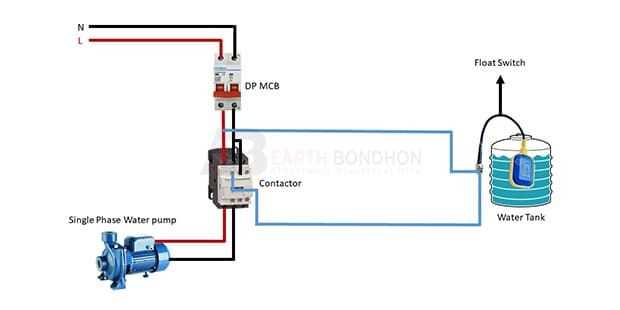
1. Begin by selecting a suitable location for the sensors. The lower sensor should be positioned at the desired minimum fluid level, while the upper sensor should be placed at the maximum level. Ensure both sensors are placed securely within the container to avoid movement that could affect readings.
2. Next, mount the sensors in their designated locations. If the sensors are mechanical, ensure they are properly attached to the float mechanism. For electronic sensors, follow the manufacturer’s instructions for secure mounting and alignment. Verify that the sensors are in a vertical orientation for accurate detection.
3. Install the control relay. This device will be responsible for activating and deactivating the connected load based on the signals received from the sensors. Connect the relay to a power source and ensure it is within a safe distance from the sensors. The relay should be installed in a dry, well-ventilated area to avoid interference or damage from moisture.
4. Wire the sensors to the relay. Use the appropriate gauge wire as specified by the manufacturer. Make sure to connect the lower sensor to the first input terminal on the relay and the upper sensor to the second input terminal. If using a power relay, ensure that it is connected to the correct circuit to control the load.
5. Test the system. Before full operation, check the response of the sensors by manually adjusting the fluid level to trigger each sensor. Verify that the relay responds correctly to the sensor signals by turning the load on and off as expected. Troubleshoot any issues such as incorrect wiring or sensor misalignment.
6. Finally, calibrate the system. If the sensors allow for sensitivity adjustments, fine-tune their response to match the desired fluid levels. Perform several tests to confirm the system is operating as intended. Once satisfied with the setup, secure all wiring, ensuring there is no chance of short-circuiting or damage from fluid exposure.