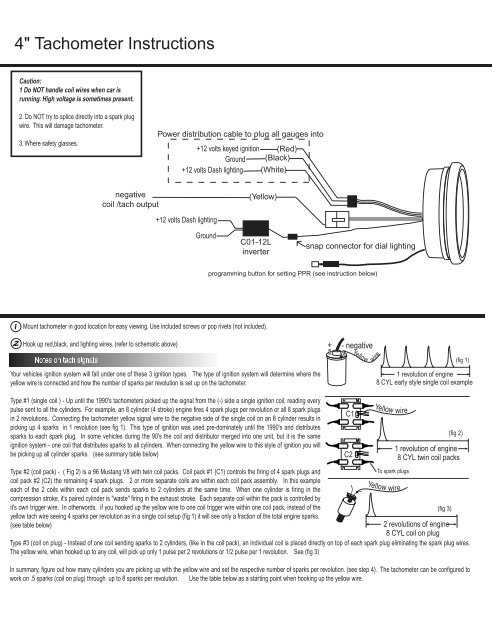
To properly connect an RPM monitor, first ensure that the input signal is sourced from the ignition system. The signal wire should be securely attached to the correct output terminal of the ignition coil or alternator. This signal is used to track engine revolutions and provide accurate readings on the display.
Next, the power supply to the device must be connected to the battery. This step requires an appropriate fuse to protect against power surges. Ensure the positive wire is routed to the battery’s positive terminal and the negative to a reliable ground. Proper insulation is important to avoid any accidental short circuits.
Finally, ensure that all connections are firm and properly routed to prevent any interference from external elements. It is also critical to test the system after installation to verify that the RPM monitor is accurately reflecting the engine speed. Use a multimeter to check voltage levels and ensure the system operates within expected parameters.
HTML
Proper Setup for RPM Monitoring System
Begin by ensuring the power supply to your RPM monitoring device is correctly installed. It should connect to a 12V source, typically the vehicle’s battery. Make sure a fuse is incorporated to prevent potential overloads. This step is necessary for avoiding circuit damage.
For the ground connection, it is crucial to attach the wire to a solid, unpainted part of the vehicle’s metal frame. A poor ground connection can result in unreliable readings or complete failure of the device. Always clean the area before making the connection.
The input signal should be sourced from the ignition system. It could come from the ignition coil or an output terminal on the vehicle’s alternator. Identify the correct lead to tap into. In some vehicles, a specific pulse is emitted that the system needs to detect to calculate RPM correctly.
When splicing the signal wire, make sure the connection is secure and the polarity is observed. Incorrect polarity can cause incorrect data or even damage the components. It’s advisable to use heat shrink tubing or electrical tape to ensure the spliced wires are well insulated.
If the RPM system is designed to work with an electronic engine control unit (ECU), a signal converter might be necessary. This adapter ensures the signal is compatible with the device. Always double-check the adapter specifications before installation to avoid issues with signal interpretation.
Once everything is connected, check the functionality by running the engine. Watch the display for any fluctuation or unusual readings. If the meter doesn’t show correct RPM values, recheck all connections, particularly the signal line.
For optimal performance, regular checks should be performed on all connections. Loose wires or corroded contacts are common causes of malfunction. Inspect the system every few months, especially in harsh driving conditions.
In some cases, your unit may allow for calibration. If this feature is available, adjust the system to match the exact RPM range of your engine for accurate readings. This step is crucial when working with modified or high-performance vehicles.
HTML
How to Wire a RPM Meter to Your Vehicle
Begin by selecting the correct power source for your RPM meter. Most systems run on 12V DC, so you can connect the power wire directly to your vehicle’s battery or an ignition switch. Use a fuse rated for your device to avoid electrical damage.
For the ground connection, choose a clean, unpainted metal surface on your vehicle’s chassis. A proper ground is vital for the accurate operation of the meter. Secure the wire using a screw or bolt to ensure it doesn’t loosen over time.
Identify the signal wire that will relay engine speed information to the device. This is often located near the ignition coil or another component that sends RPM pulses. Use a multimeter to ensure you’re tapping into the correct signal if you’re unsure.
Connecting the Signal
- Strip the insulation from the signal wire carefully to avoid damaging the metal strands.
- Connect the signal wire to the input terminal of your RPM meter. Use a proper splice connector or solder the wire for a secure and reliable connection.
- Ensure the connection is insulated with electrical tape or heat shrink tubing to prevent any shorts.
For certain vehicles, a converter may be necessary to adapt the signal for the RPM meter. If your vehicle uses an electronic control system, check the manual for any specific adapters or signal modifiers required for compatibility.
Once all connections are made, turn on the ignition and verify that the RPM meter powers on and displays readings. If it doesn’t work, double-check the power, ground, and signal connections for accuracy.
Final Checks and Calibration
- Perform a test by revving the engine and confirming that the readings correspond to the engine speed.
- If the meter reads inaccurately, use any available calibration tools or settings on the unit to adjust the display.
After installation, inspect the connections periodically for wear or corrosion, especially if you drive in harsh conditions. Keep the signal line and power source well-maintained to ensure reliable performance.