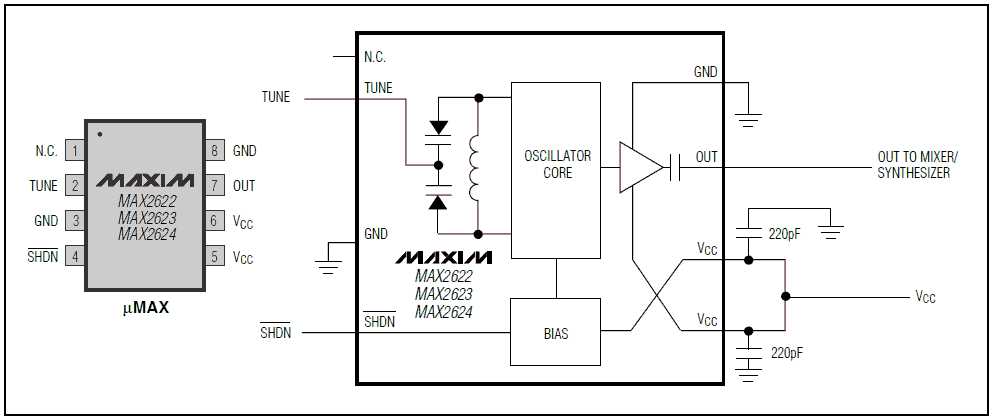
If you want to block signals from communication devices, you need a specific arrangement of components. The core of such a device involves a radio frequency oscillator that generates noise within the frequency range of the targeted signal. By carefully adjusting the output power and frequency, the device can effectively disrupt the functioning of various wireless systems.
The foundation of this setup consists of a few main parts: an oscillator to create the interference, a power amplifier to boost the signal, and an antenna to broadcast the noise. The oscillator is typically designed using a stable crystal or a variable frequency oscillator, and the output can be adjusted for optimal interference. It’s important to note that higher output power can lead to broader coverage, but might also cause the device to become less efficient or even overheat if not managed properly.
The most effective designs focus on minimal interference with other electronics while maintaining the desired blocking range. Shielding components can be added to reduce undesired emissions and ensure the device only operates within the required spectrum. When building such a device, always consider the local laws and regulations around signal interference, as unauthorized use of such technology is prohibited in many regions.
Signal Disruption Device Construction Guide
To build an effective device that blocks wireless signals, begin with a frequency generator. This component will emit signals within the frequency range of the target communication systems. A typical setup includes a stable oscillator, such as a quartz crystal or a variable frequency oscillator, tuned to match the specific bands you intend to disrupt. This will ensure that your device emits noise on the same frequency as the devices you wish to disable.
After establishing the frequency, the next step is to amplify the generated signal. A power amplifier is needed to boost the signal strength, allowing it to cover a wider area. The amplifier must be chosen based on the output power required for your specific purpose, ensuring that the device does not become inefficient or overly hot. Adding heat dissipation methods like heatsinks will prevent overheating, a common issue in high-power designs.
Finally, install a suitable antenna to broadcast the interference. The antenna should match the frequency output of the oscillator and be designed for the specific environment in which the device will be used. Ensure that the antenna is positioned optimally for maximum range. Fine-tuning the power and placement of each component will help maximize the effectiveness of your design while minimizing unintended interference with other systems.
How to Build a Signal Blocking Device from Scratch
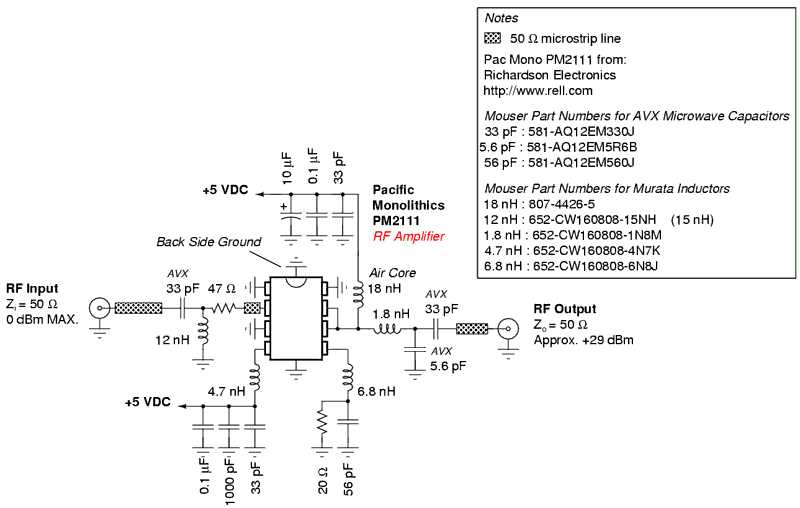
Begin by selecting a frequency generator for your design. The generator must emit signals within the same range as the devices you wish to disrupt. An easy choice is a variable frequency oscillator, which can be adjusted to the target frequency. Quartz crystals or oscillators with adjustable tuning are commonly used in these devices, ensuring precise control over the emitted signal.
The next step is amplifying the signal to ensure it has enough power to block incoming signals effectively. Choose a power amplifier that matches the frequency and signal strength of your oscillator. The amplifier should increase the strength of the signal without distorting it. You will need to consider the power supply and ensure it can provide sufficient energy for both the generator and the amplifier.
After amplification, the signal needs to be broadcast, which is done through an antenna. The antenna type and design are crucial for achieving the desired range. A dipole antenna is typically used for its simplicity and effectiveness. Ensure the antenna is designed for the frequency range and power output of the oscillator to maximize signal disruption.
To keep the device functional without overheating, add heat dissipation methods like heatsinks or a cooling fan for the power amplifier. Excessive heat can degrade performance and shorten the lifespan of components. Proper heat management ensures your design runs reliably over long periods without failure.
Once the signal has been generated, amplified, and broadcast, focus on fine-tuning the output. Use a frequency analyzer to measure the emitted signal’s strength and spectrum. This helps adjust the output to match the interference requirements and avoid any unnecessary emissions. Fine-tuning the output ensures that the device effectively blocks signals within the target area while minimizing unintentional side effects.
Consider adding shielding to reduce the impact on nearby electronics. By using metallic enclosures or shielding materials around the amplifier and oscillator, you can limit the range of unwanted emissions. Shielding ensures that the device only affects the intended area and minimizes the risk of interfering with other devices.
To power the device, use a reliable power source that can deliver consistent energy to the generator and amplifier. A battery is often used for portable designs, but a stable AC power supply is ideal for larger, stationary units. Ensure the power supply is capable of handling the demands of both the oscillator and amplifier to prevent voltage drops or malfunctions.
Finally, test the device thoroughly in a controlled environment. Ensure that the signal disruption is effective within the desired range and that the device remains stable during operation. Make any necessary adjustments to the components, such as the antenna position or power output, to optimize the device’s performance. Proper testing is crucial to ensure that your design functions as expected and reliably disrupts the targeted signals.