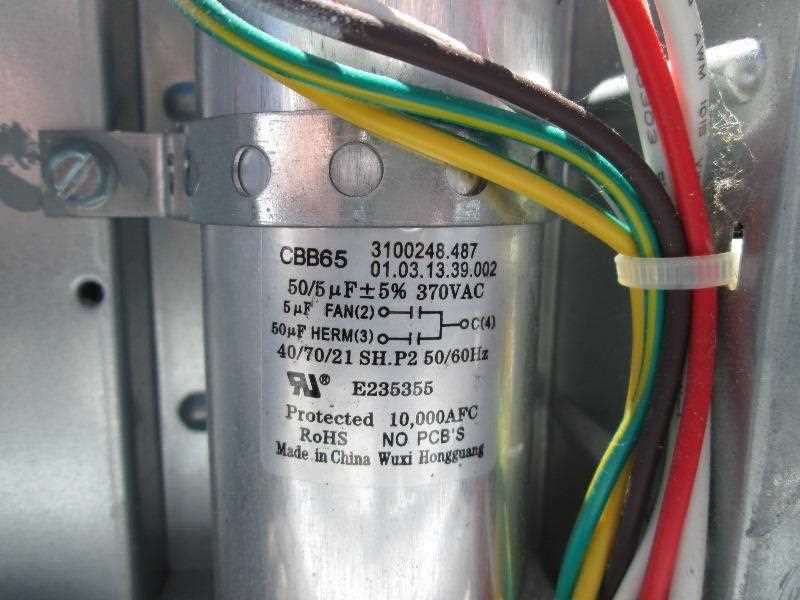
Use a dedicated 12V power line with a 15-amp fuse directly from the battery to the main control module. Ensure polarity is correct to prevent damage to the internal compressor relay and circuit board. Avoid using shared circuits with other appliances to maintain stable performance.
Run all signal and control leads separately from high-current cables to reduce interference with the thermostat and fan relay. Label each conductor clearly and verify continuity with a multimeter before securing terminals.
Ground the chassis connection to a clean, unpainted metal surface. Loose or corroded grounding can lead to erratic operation, tripping, or reduced cooling capacity. Use ring terminals and lock washers for a durable connection that withstands vibration in mobile applications.
Install inline fuses on both positive supply lines and place them as close to the battery as possible. Check the manufacturer’s specifications for amperage ratings of the blower motor and compressor to select proper fuse sizes. This prevents overcurrent damage without compromising system function.
When connecting the thermostat interface, verify that voltage levels match the module’s input requirements. Incorrect signal voltage can burn the control board or cause the fan to operate intermittently. Use crimp connectors or soldered joints with heat shrink for reliable long-term performance.
Wiring Blueprint for Dometic Climate Unit
Connect the main power line directly to the fuse block rated at 15A to prevent overload. Ensure polarity is observed: red to positive, black to negative.
Use a 14-gauge stranded copper conductor for runs under 15 feet. Longer runs should employ 12-gauge to minimize voltage drop and maintain motor performance.
- Compressor terminals: connect with ring terminals, torque to 8–10 in-lb.
- Fan motor: three-speed control wires must match color codes–yellow, blue, green.
- Thermostat leads: maintain separation from high-current lines to prevent signal interference.
Install a separate ground wire from the chassis to the main unit. A green or bare copper wire ensures stable operation and reduces risk of electrical noise affecting the control board.
Control Panel Integration
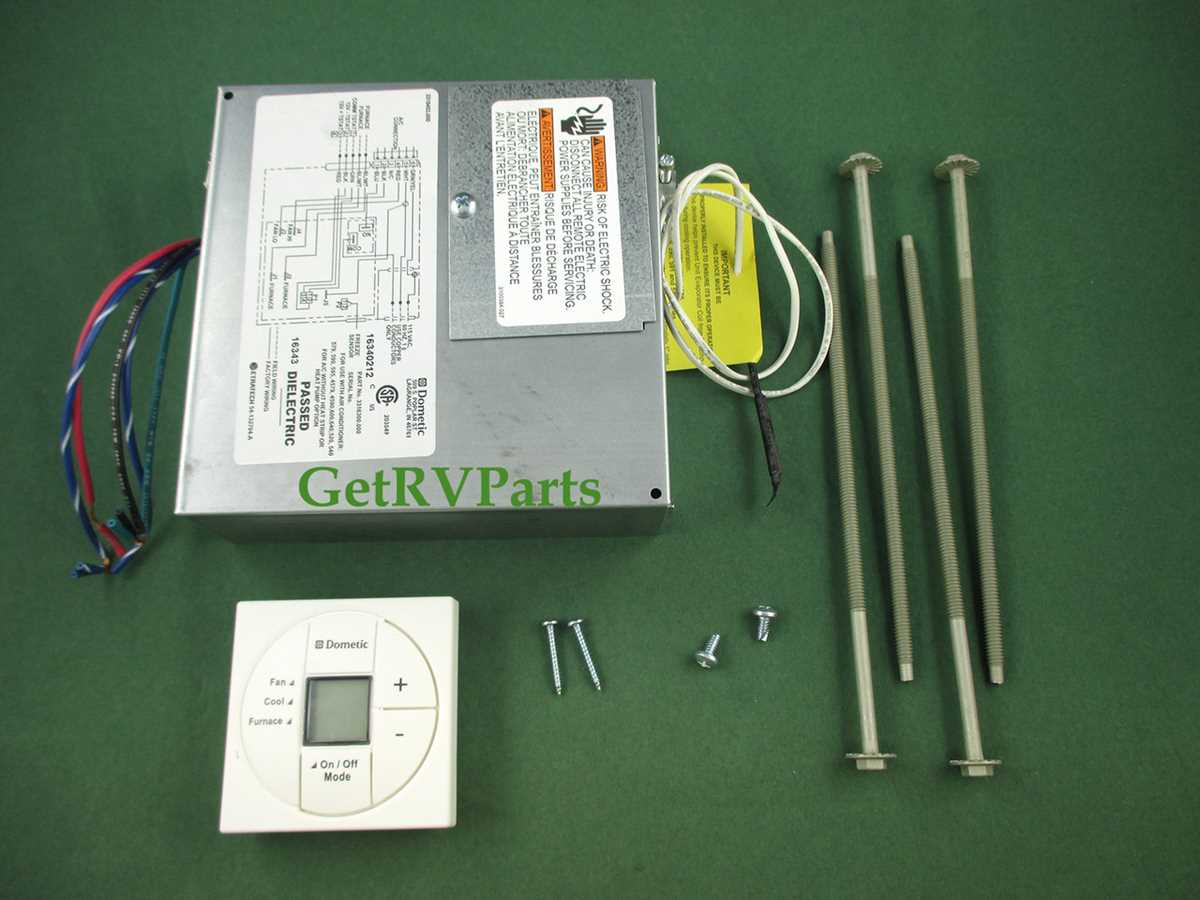
Digital control boards require 12V DC for logic circuits. Use a regulated supply and avoid routing near the compressor relay to prevent voltage spikes.
- Verify connections against the label on the circuit board before energizing.
- Secure all terminals with nylon cable ties to prevent vibration loosening.
- Route sensor wires along the inner wall, away from the power bus.
For dual-zone setups, interconnect the secondary unit via a shielded twisted pair to prevent crosstalk between zones. Terminate shields at the main ground only.
Check the high-voltage lines to ensure insulation is rated at least 600V. Use heat-shrink tubing on exposed crimp points to prevent short circuits.
Confirm the polarity of the reversing valve wire; swapping these leads may cause cooling instead of heating. Label all connections with permanent markers for future maintenance.
Test the blower motor by briefly energizing at low speed. If current draw exceeds 3.5A, inspect wiring for undersized conductors or loose terminals.
After final assembly, perform a continuity check across all connections and verify that circuit breakers trip under simulated overload. This ensures safety and prevents board damage during operation.
Identifying Power Connections and Fuse Requirements
Connect the unit directly to a dedicated 120V or 240V circuit based on the model rating, ensuring the breaker size matches the maximum amperage specified on the specification label.
Locate the main terminal block; live, neutral, and ground wires are typically color-coded: black or brown for live, white or blue for neutral, and green or bare for ground.
Use copper conductors with a minimum gauge recommended in the installation guide. For 15–20 amp systems, 14 AWG is standard, while units exceeding 20 amps require 12 AWG or larger.
Fuse protection: Install a slow-blow fuse if the unit operates with high inrush currents, such as during compressor startup, to prevent nuisance trips.
Verify the amperage rating on both the fuse and breaker matches or slightly exceeds the nominal running current but does not surpass the maximum safety rating on the electrical plate.
Ensure all connections are tightened to the manufacturer’s torque specification; loose terminals can cause overheating or arcing that may damage the control board.
Check polarity carefully: Reversing live and neutral can lead to malfunction of the fan motor and electronic controls. Use a multimeter to confirm correct voltage at each terminal.
Label each connection clearly inside the access panel for future service, noting line voltage, fuse size, and circuit number to reduce risk during maintenance or troubleshooting.