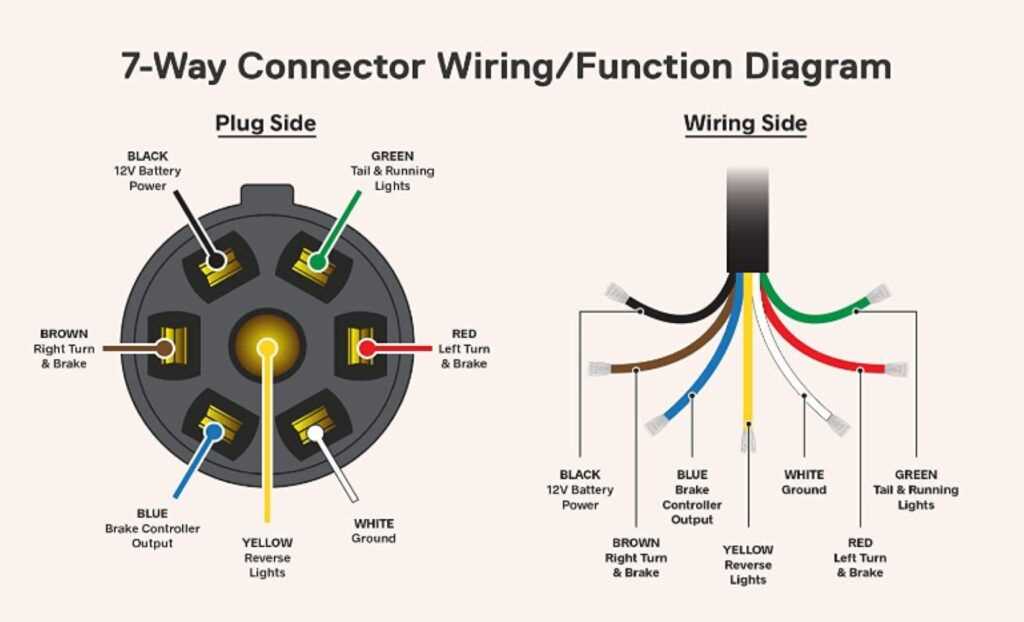
To ensure that your vehicle is properly equipped to handle all electrical needs when towing, focus on correct assembly. Each wire serves a specific function to activate the brake lights, turn signals, and other essential components. Understanding the layout and correct connection points can prevent wiring issues during your journey.
Start by confirming the exact configuration of the connector. The setup typically consists of seven terminals, each designated for specific functions such as powering the lights, grounding the system, and operating the brakes. Identifying the correct function for each terminal is vital to avoid any malfunction while driving.
Next, gather the right tools for the job. This includes a reliable set of wire strippers, a crimping tool for secure connections, and high-quality connectors. Incorrect connections or using low-grade materials could result in poor performance or even dangerous wiring failures. Ensure that each connection is firmly secured to avoid issues with power flow.
After completing the connections, it’s crucial to test the system. A simple multimeter can check the voltage at each connection to verify everything is functioning properly. This step is key before heading out on the road, as it ensures that all components are active and that no wiring faults are present.
7 Pin Setup for Lights and Brakes
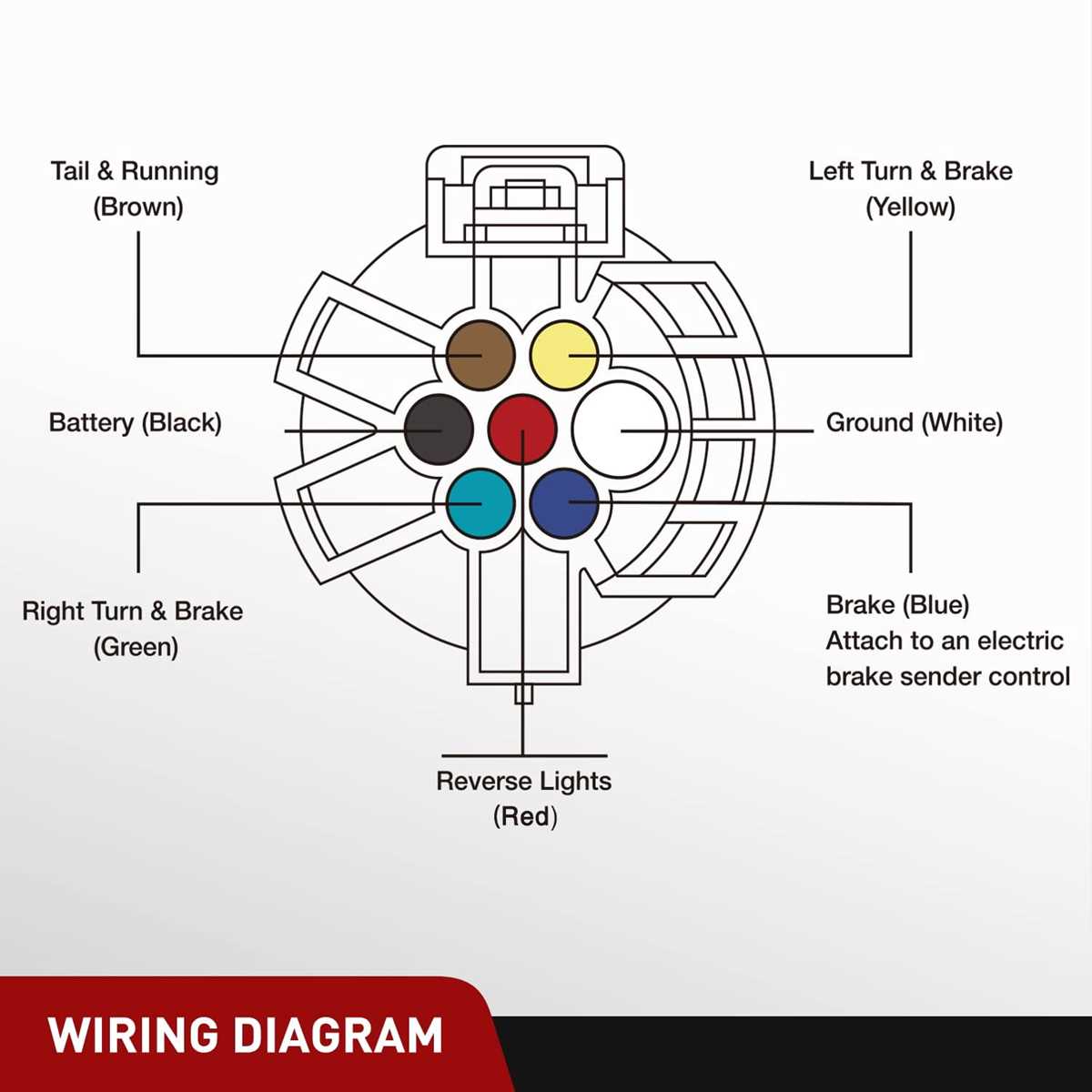
Begin by identifying the correct terminals for each function. The terminal for the ground wire should always be the first one in the connector. Secure this wire first to ensure a solid and safe ground connection throughout the system.
Next, attach the wires for the left and right turn signals, followed by the brake light wire. These functions are typically separated in a standard setup. The turn signal and brake light circuits need to be carefully distinguished to prevent cross-wiring issues.
The reverse light and auxiliary power wires should also be correctly assigned to their respective terminals. Incorrect placement could lead to malfunctioning lights or failure of other connected systems. Always check manufacturer specifications for each terminal number.
After completing the connections, double-check all components for proper seating of the connectors. Loose connections can result in intermittent power or total failure, particularly when using the braking system. Testing with a multimeter can verify each circuit’s integrity.
Lastly, insulate the wires to prevent wear and tear from friction or weather elements. Using high-quality electrical tape or heat shrink tubing will help prolong the life of the setup and ensure a safer connection, especially for brake light circuits.
Understanding the Connection Configuration
The first terminal in the connector should always be allocated for the ground wire. This is the foundation for all the electrical functions, ensuring a stable and secure connection throughout the system.
The second terminal is commonly used for the left turn signal. This wire sends a signal to the left lights of the connected unit, alerting others to your directional intentions. It’s important to ensure this wire is connected correctly to avoid malfunctioning indicators.
Next, the third terminal is designated for the right turn signal. Like the left side, it sends a signal to the appropriate lights. Correct alignment of this connection is critical for clear signaling on the road.
The fourth terminal is responsible for the brake light function. This connection is essential for safe towing. It ensures that both your vehicle and the connected unit show consistent brake signals, notifying others of your stopping intentions.
The fifth terminal is often used for reverse lights. This feature is particularly important when backing up. A clear and functioning reverse light helps with visibility and safety during reversing maneuvers.
The sixth terminal typically supplies auxiliary power. This can power other electrical systems or devices on the connected unit. It’s vital to ensure the correct amperage and voltage specifications are met to avoid damage to electrical systems.
The seventh and final terminal is dedicated to the electric brakes. This connection controls the braking system of the connected unit. It’s crucial for load-bearing safety, ensuring that both your vehicle and the unit are synchronized when braking.
Once all connections are made, testing the system with a multimeter can confirm the correct voltage and functionality across all circuits. This step is necessary to ensure the safety and efficiency of the entire setup.