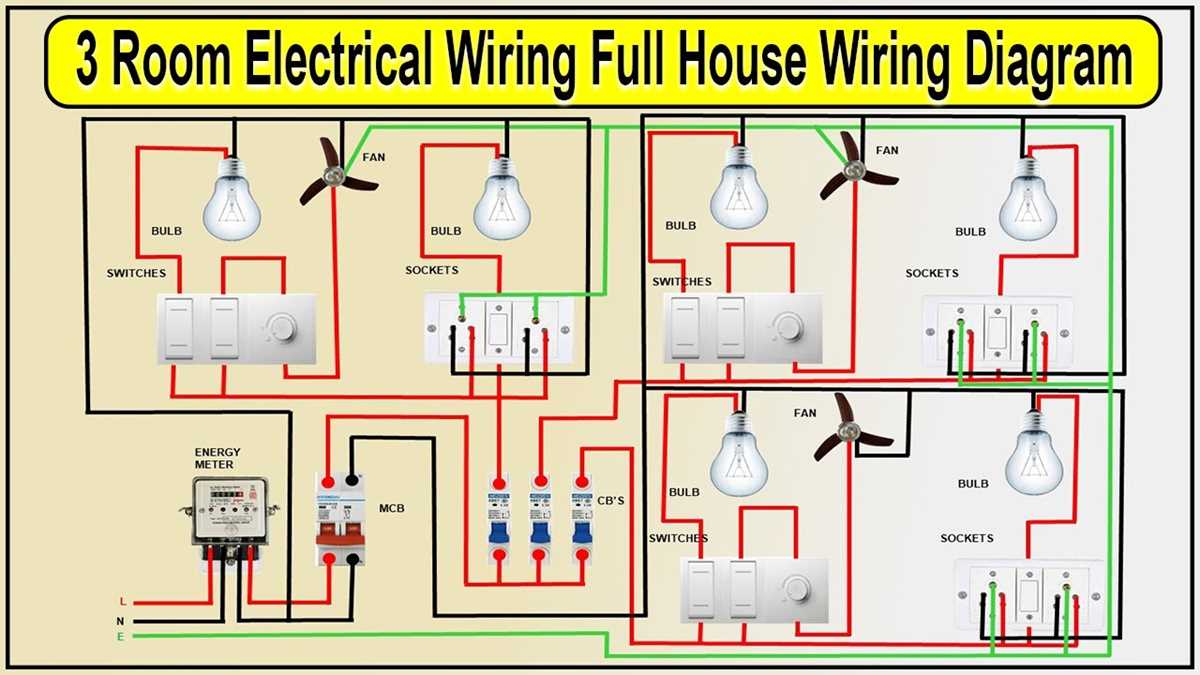
Start by labeling all breakers and outlets before making any changes. This ensures each line can be traced back to the panel and avoids accidental overloads or misrouting.
Use proper gauge wires for lighting and appliance lines. Standard 14 AWG is suitable for general lighting, while 12 AWG should be applied to kitchen and laundry outlets to handle higher loads safely.
Separate high-power circuits from low-power lines. Keeping heavy-duty appliances on dedicated runs prevents voltage drops and reduces the risk of tripping breakers during simultaneous use.
Install ground fault protection in wet areas. Bathrooms, kitchens, and outdoor outlets require GFCI devices to prevent electric shocks and maintain compliance with safety standards.
Check all connections for tightness and proper torque. Loose terminals create resistance, heat, and potential fire hazards, especially at junctions and breaker contacts.
Verify continuity and polarity before energizing circuits. A simple multimeter test can detect reversed connections, broken lines, or short circuits, ensuring safe operation from the start.
Residential Electrical Layout and Safe Connections
Label each breaker and outlet before making adjustments. Accurate labeling allows tracing of all lines and prevents accidental overloads or misrouting of power flows.
Choose the correct wire gauge for each run. Standard lighting lines typically use 14 AWG, while kitchen and laundry plugs should use 12 AWG to handle higher loads safely.
Organizing Power Lines and Load Distribution
Separate high-demand appliances from general lighting paths. Dedicated lines for heavy devices prevent voltage drops and reduce the risk of tripping breakers during simultaneous usage.
Install ground fault protection in areas exposed to moisture. Bathrooms, kitchens, and outdoor receptacles require GFCI devices to reduce the risk of electric shocks and meet safety standards.
Testing and Securing Connections
Check all terminals for tightness and correct torque. Loose connections generate heat and resistance, which can create hazards at breaker contacts and junction points.
Use a multimeter to verify continuity and correct polarity before powering any lines. This ensures stable operation, identifies open or shorted connections, and prevents accidental damage.
Mapping Breakers and Outlets for Each Room
Label all breakers according to the room they serve. This simplifies maintenance and allows quick isolation of power in case of faults or upgrades.
Identify each outlet and switch before connecting them to the panel. Use tags or colored tape to match lines with their corresponding breaker for accurate tracing.
Plan load distribution carefully:
- Living areas: lighting and general-purpose plugs on separate lines
- Kitchen: dedicate circuits for appliances like ovens, microwaves, and dishwashers
- Bathrooms: GFCI-protected lines for outlets and lighting
- Bedrooms: shared lighting circuits with outlets separated where needed
Document all connections in a simple table or schematic showing breaker numbers, line paths, and outlet locations. Regular updates during renovations prevent overloads and improve safety management.