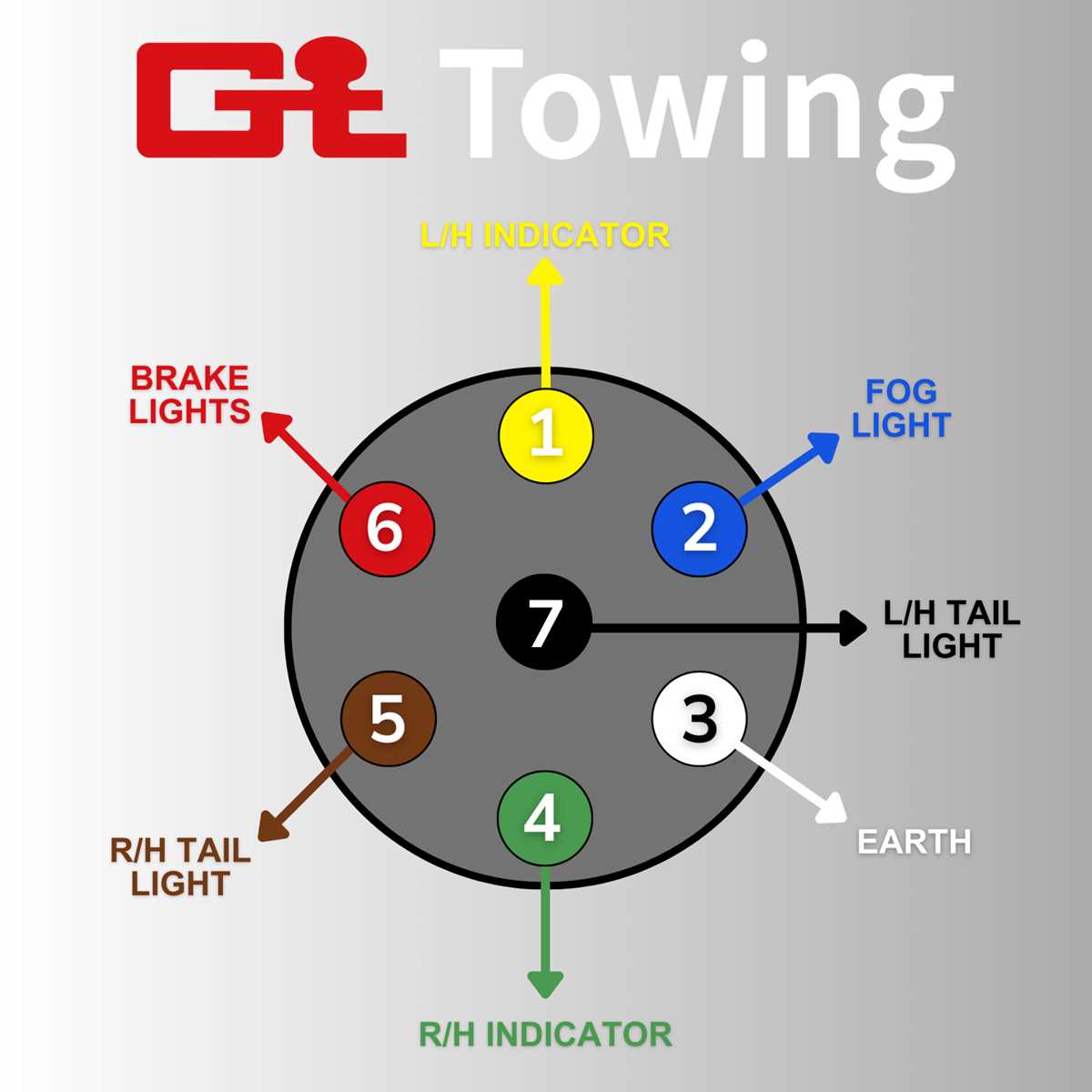
Ensure the power supply is rated for 12 volts and can handle combined load currents of all connected circuits. Use a fused junction to protect the lighting and control lines from overload.
Match each conductor according to its function: signal, ground, and auxiliary control. Color-coding the wires simplifies installation and reduces the chance of cross-connections.
Route the harness along the frame rails and secure it with clamps every 12 inches. Avoid sharp edges and moving components to prevent insulation wear and intermittent faults.
For braking circuits, confirm the controller provides proportional or time-delayed signals compatible with the towed unit. Test the output voltage under load to ensure reliable actuation.
Connect grounds to clean, unpainted metal surfaces close to the power source. Use star washers or ring terminals to maintain low-resistance contacts and prevent flickering or signal loss.
7 Pin Connector Setup for Towed Vehicle Braking Systems
Start by identifying each pin on the connector and labeling functions such as tail signals, turn indicators, power feed, and braking control. Ensure the controller output matches the voltage requirements of the towed unit to prevent overloading sensitive components.
Route the harness along the chassis using protective conduits and secure with clips every 12 inches. Avoid heat sources and moving parts to maintain insulation integrity and prevent short circuits over time.
Connect the braking signal line directly to the proportional controller or electronic actuator. Verify signal response under different load conditions before finalizing the connection to ensure safe deceleration.
Ground connections must be clean and secure. Use metal-to-metal contact points with appropriate ring terminals and corrosion protection to maintain low-resistance paths and avoid intermittent failures during operation.
Identifying and Matching Connector Pins for Towed Units
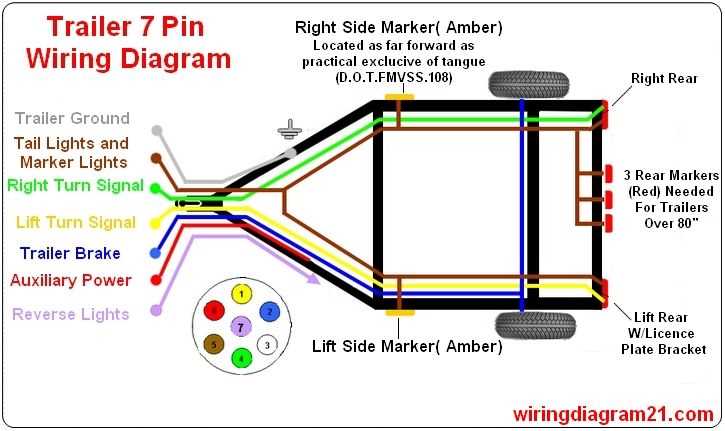
Begin by labeling each pin on the seven-point connector according to function, such as ground, power, left and right indicators, tail illumination, and stop control. Accurate identification prevents cross-connections that can damage electrical components.
Use a multimeter to confirm continuity between the pin and its corresponding wire on the harness. Check voltage levels under no-load conditions to ensure each line provides the correct signal before linking to the towed unit.
Inspect the connector housing for corrosion or bent pins. Replace or clean terminals as needed to maintain firm contact and prevent intermittent failures during operation.
Match the vehicle-side pins to the towed unit receptacle based on color codes and signal functions. Do not rely solely on wire colors, as manufacturing variations may alter standards between models.
Secure all connections using weatherproof boots and dielectric grease to prevent moisture intrusion. This extends the lifespan of terminals and minimizes resistance fluctuations that can affect signal integrity.
After connecting, test each function individually: tail lights, turn indicators, stop signals, and auxiliary power. Observe response under load to verify proper signal transmission and identify any misaligned pins before travel.
Document the final pin assignments for future reference or maintenance. Maintaining an updated record simplifies troubleshooting and ensures consistent performance across different towing setups.