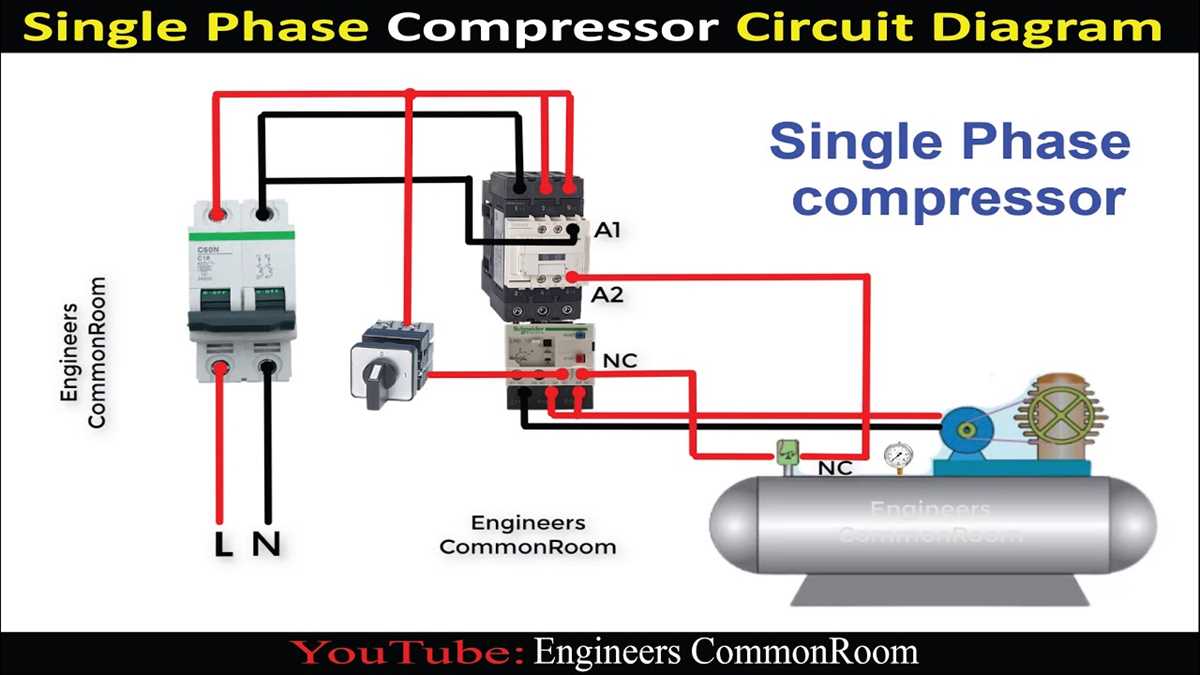
Connect the main supply directly to the starter terminals using 4 mm² copper leads to ensure minimal voltage drop and prevent overheating during peak load. Use a 30-amp fuse on the positive line close to the power source to protect the motor and control system.
Identify the activation coil input before making any connections. Apply 12V control voltage to the relay while verifying polarity with a multimeter to avoid reverse current that could damage the internal windings.
Run the grounding lead to the frame or chassis using a short, thick copper cable to reduce resistance and stabilize operation. Make all connections with ring terminals tightened to 7–9 Nm to ensure secure contact and prevent loosening from vibrations.
Double-check continuity of all control and power leads before energizing the system. Use a digital tester to confirm that no accidental shorts exist between live, neutral, and earth, ensuring safe start-up and reliable long-term performance.
Compressor Connection Guide
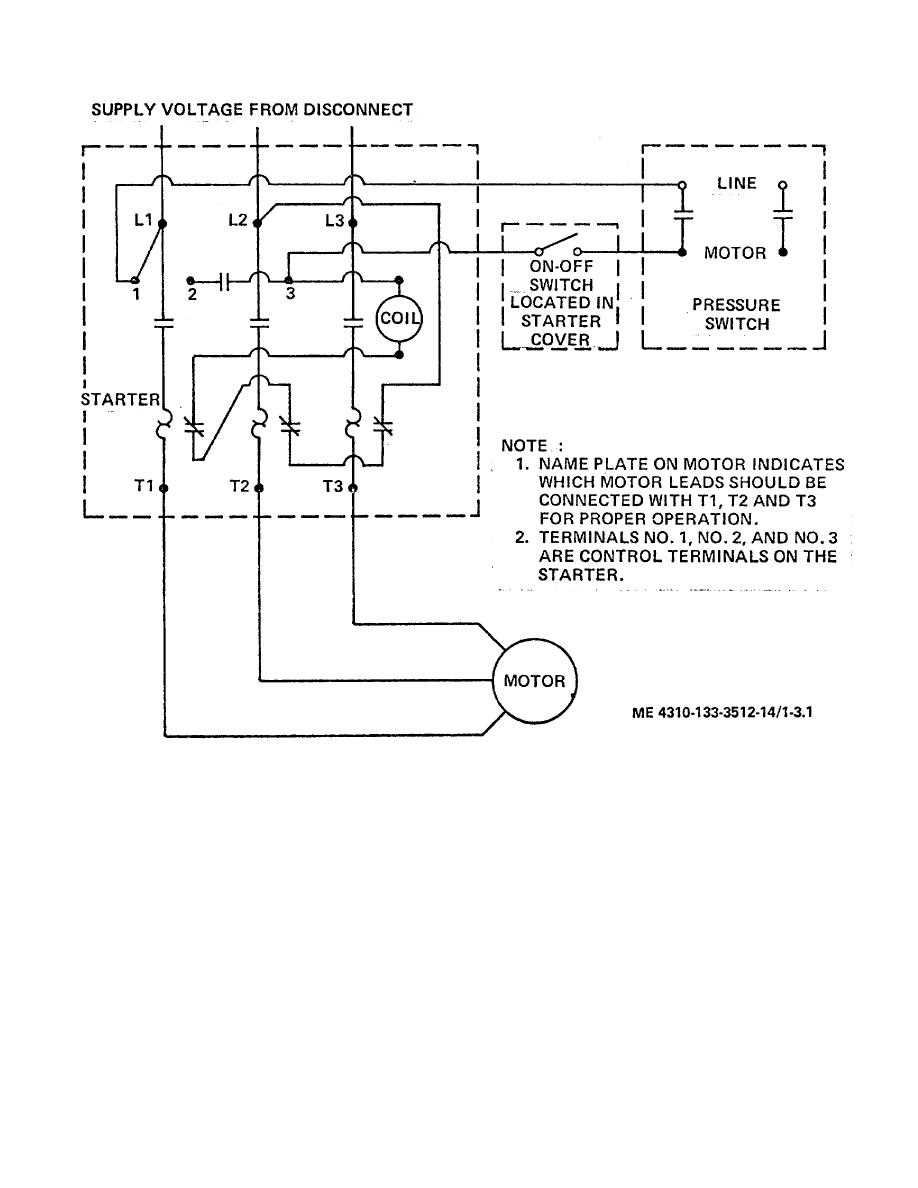
Attach the main power leads using 6 mm² copper cables and secure them with heat-shrink ring terminals to prevent corrosion and voltage drop during high load cycles.
Connect the start relay coil to the control panel output with shielded cables to reduce electrical interference that can trigger false activation.
Run a dedicated grounding wire from the unit to a verified chassis point using short, direct paths to minimize resistance and prevent tripping the safety switch.
Install an inline 10-amp fuse on the positive lead close to the source to protect the motor from current spikes and sudden surges during startup.
Verify all lead polarity with a digital multimeter before energizing the system to avoid damage to internal coils or the relay control circuits.
Route the auxiliary sensor leads separately from high-current lines using twisted-pair cables to prevent voltage fluctuations from affecting signal integrity.
Secure all connectors with torque-controlled fasteners between 7–9 Nm to maintain a tight connection and reduce the risk of vibration-induced loosening over time.
Perform a final continuity test on every path using a resistance meter to ensure no shorts exist between live, neutral, and ground before applying full power to the assembly.
Identifying Power and Control Terminals
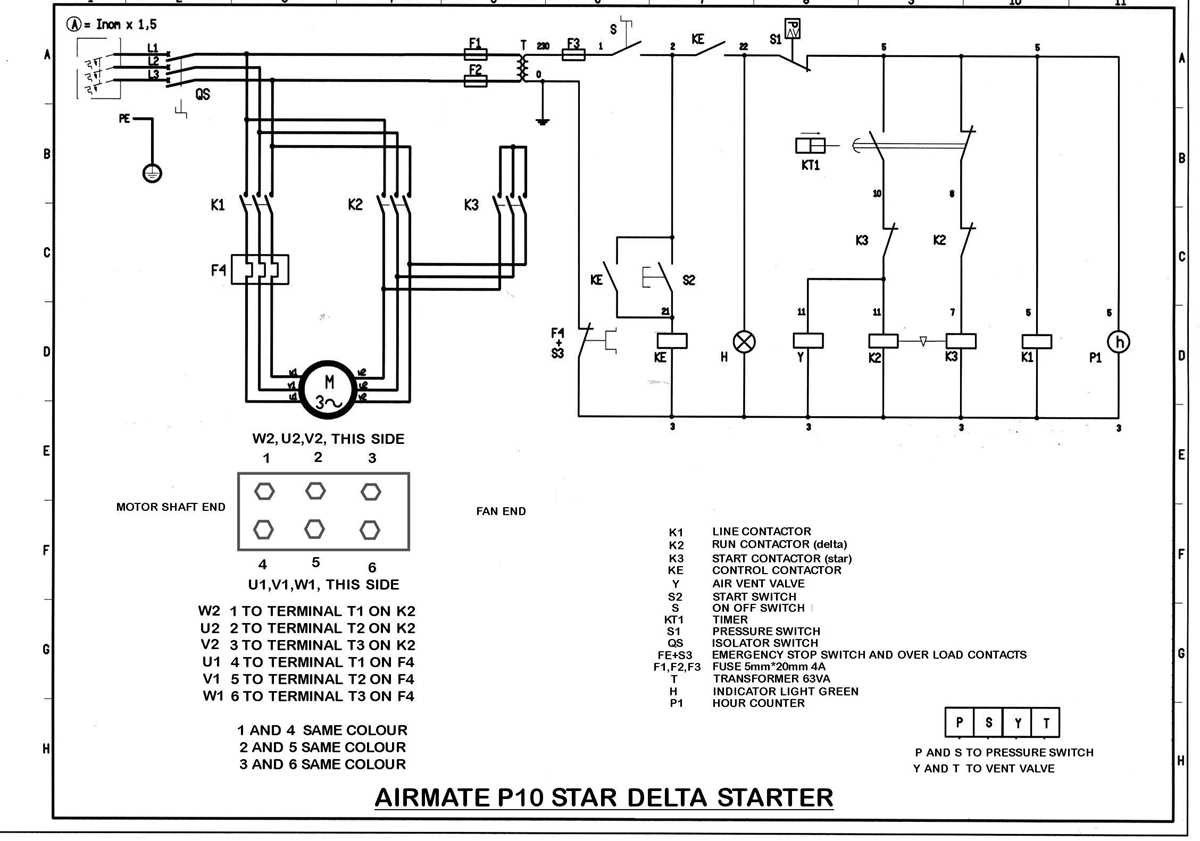
Begin by labeling all terminal blocks using a permanent marker or colored tags to distinguish between high-current feeds and control inputs, ensuring accurate identification during maintenance.
Use a digital multimeter to check voltage presence at each terminal. Connect the meter probes to verify live, neutral, and ground points before attaching any leads.
Separate the terminals into two groups for clarity:
- Primary power points: terminals handling main energy supply to the motor or pump unit.
- Control points: low-voltage terminals connected to relays, thermostats, or pressure sensors.
Inspect the connector housing for embossed labels or color-coded inserts. These often indicate standard assignments such as L1, L2, N, GND for power, and COIL+, COIL− for control circuits.
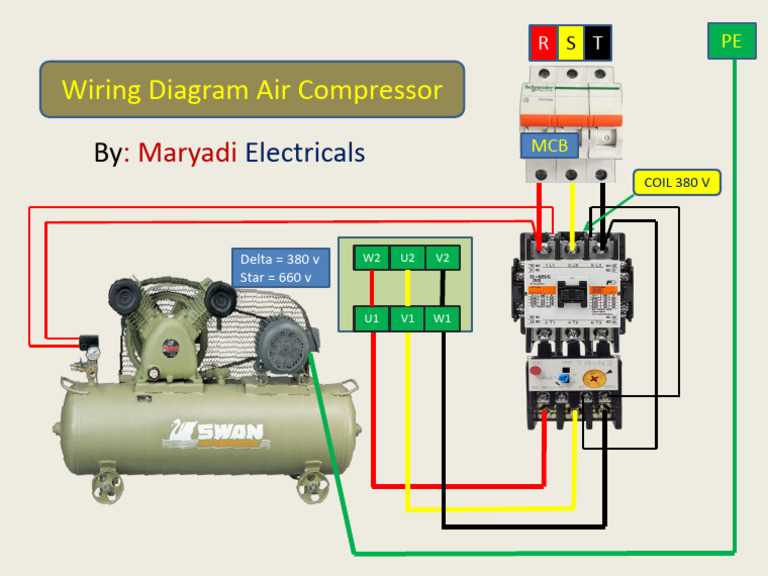
Trace each lead using a continuity test to confirm its connection path. This ensures that control lines are not mistakenly linked to high-current feeds.
Mark terminals with heat-resistant labels if the system operates in high-temperature environments to prevent fading and misidentification over time.
Double-check control terminals for proper isolation using an insulation resistance tester. This prevents inadvertent shorts between sensor inputs and energized points.
Document the identified terminals in a table including terminal number, function, and voltage rating to maintain a clear reference for future troubleshooting or modifications.