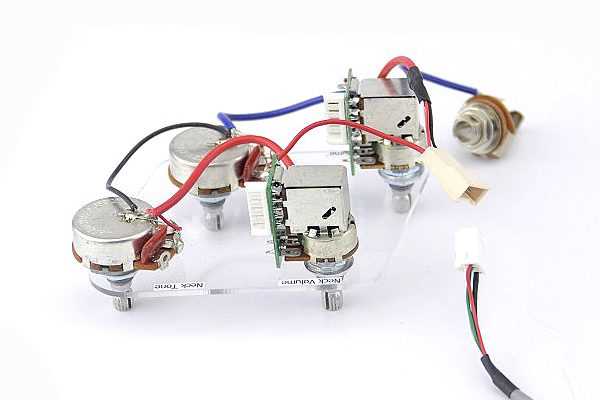
Start by identifying the correct connections for your pickup configuration. Each individual element plays a key role in ensuring that the tonal output is clear and consistent. The first step is ensuring that each pickup is properly grounded and that the wiring to the output jack is secure. Check that each switch is appropriately wired to allow seamless toggling between different pickup settings.
Next, make sure all potentiometers (volume and tone controls) are connected properly. These components are critical for adjusting your sound. Inaccurate connections here can result in inconsistent control over your volume or tone. Be mindful of the grounding for these elements, as improper grounding can lead to hum and unwanted noise.
Lastly, carefully assess the position of each component to avoid shorts or potential issues that might impact the performance of the guitar. Tighten all screws and ensure that nothing is loose or in danger of causing a short circuit. This will ensure maximum performance and reliability from your setup.
Pickup and Control Setup Guide for Electric Guitar
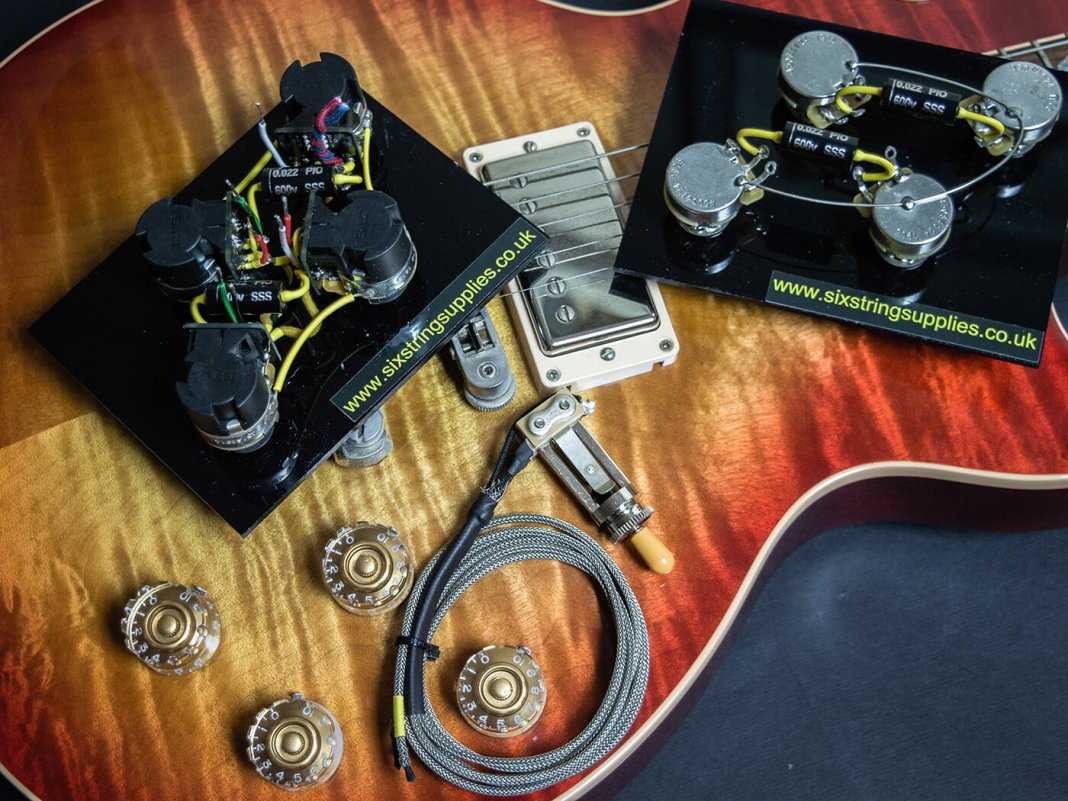
Start by identifying the pickups used in your instrument. There are usually two in a dual-pickup setup: one at the neck and one at the bridge. Make sure each pickup is positioned correctly, with the neck pickup placed near the fretboard and the bridge pickup closer to the bridge. Proper alignment ensures optimal signal capture for both pickups, providing balanced tone control across the entire neck.
Next, check the connections to the toggle switch, which allows switching between different pickup configurations. The switch should be wired to allow for selections such as neck-only, bridge-only, or both pickups simultaneously. Ensure that each connection is secure, and avoid any short circuits by properly insulating exposed wires.
The tone controls are also crucial for shaping the sound. Make sure that the capacitors are wired in the correct orientation with the tone pots. These components affect the treble and bass frequencies by altering the signal as it passes through. Ensure that the wiring allows smooth rotation of the tone knobs, from the darkest tones to the brightest ones.
For the volume controls, be sure to wire each potentiometer to control the respective pickup’s output. The leftmost knob typically controls the neck pickup, while the rightmost controls the bridge pickup. Ensure the center tap of each potentiometer is connected to the output jack, while the outer terminals connect to the pickup leads.
Grounding is a critical aspect of preventing unwanted hum and ensuring that your controls and pickups operate quietly. Run a solid ground wire from each potentiometer to a central ground point, often connected to the bridge or tailpiece. Check that all metal components, including the pots, switch, and jack, are grounded properly.
Ensure all wires are cleanly routed and secured to avoid interference or damage. Use cable ties to organize the wiring inside the body cavity, especially if it’s a solid body guitar. Keeping the wires neat reduces the chance of them being snagged or becoming loose over time.
Finally, check that the output jack is securely wired to the rest of the circuit. The output wire should be connected to the tip of the jack, while the ground wire should be soldered to the sleeve of the jack. Double-check that there are no loose connections that could affect signal transmission.
After completing the setup, test the instrument by plugging it into an amplifier. Check the functionality of each pickup selection and ensure that both the volume and tone controls are responsive. If any issues arise, troubleshoot by revisiting each connection point and ensuring everything is properly grounded and secured.
Understanding the Pickup Wiring Connections
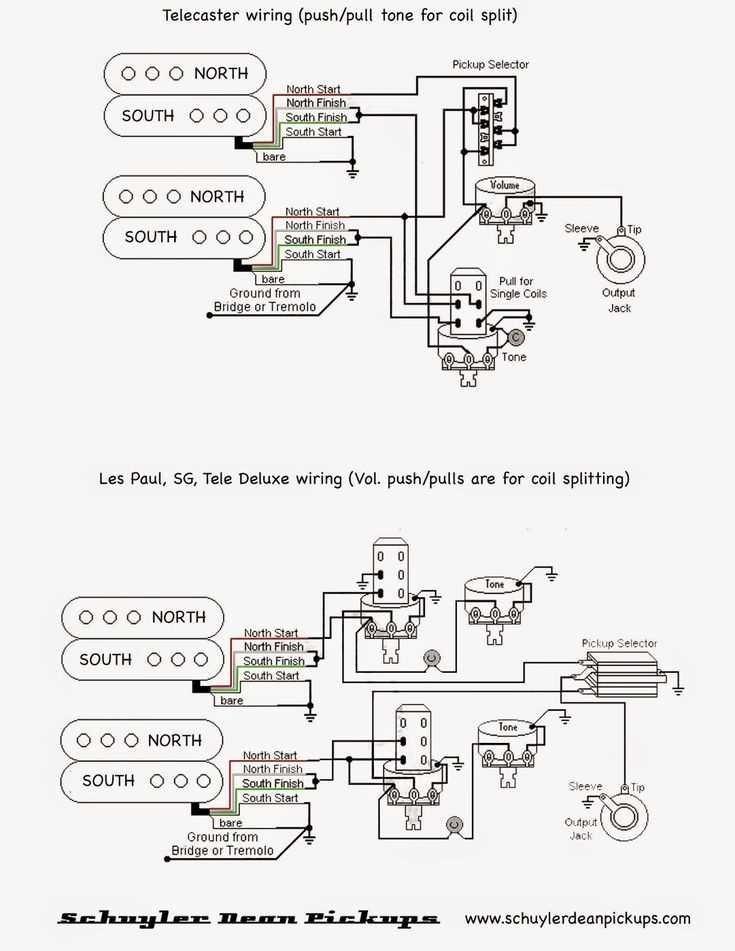
When connecting pickups, the key is to correctly identify the hot and ground leads. The hot lead, typically a red or white wire, carries the signal from the pickup, while the ground wire, usually black or shielded, completes the circuit to prevent noise. Ensure that the hot lead from each pickup connects to the correct terminal on the switch, while the ground wire should be soldered to the common ground point, usually a metal part like the bridge or a dedicated ground lug.
Each pickup in a dual-pickup setup requires its own connection to the switching system. When wiring the toggle switch, make sure that the neck and bridge pickups are correctly routed to their respective poles. The switch should allow you to select either pickup individually or both in combination. It’s also important to check the connection points for any loose or unsoldered wires that might cause signal loss or unwanted hum. Proper insulation and careful routing of wires help maintain clear signal transmission and prevent interference from external sources.