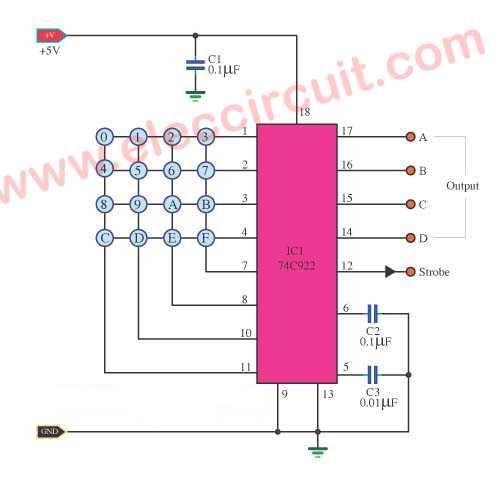
To ensure proper operation, connect the right terminals of your position sensor to the corresponding power and signal inputs. The first step is identifying the voltage requirements for the sensor. Typically, these devices need either a 5V or 12V DC power supply. Check the model specifications to avoid misconnection.
Next, connect the signal output lines to your processing unit or microcontroller. These are generally the A and B channels for differential signals. Make sure the wiring uses the correct gauge to handle the signal levels and prevent interference. This is particularly important when working in environments with high electromagnetic noise.
Finally, double-check all ground connections. A common issue in many systems arises from improper grounding, which can result in erratic behavior or failure to operate. Ensure that the ground of the encoder matches the ground of the control system, and that all connections are secure.
Circuit Diagram for Encoder
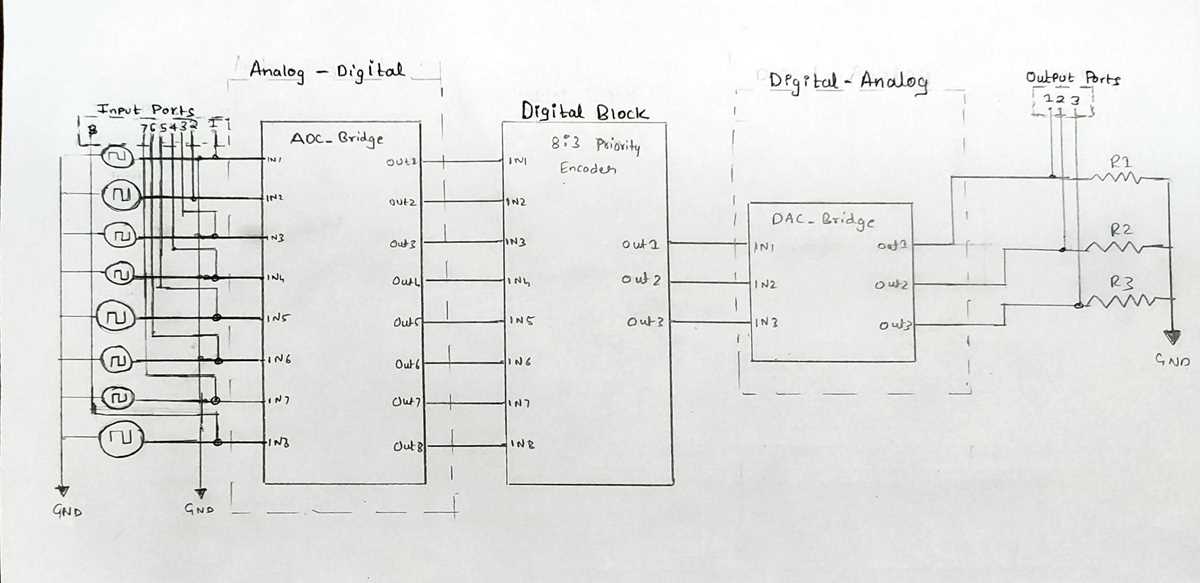
Start by identifying the correct power input voltage for your position sensor. Different models have varying voltage requirements, usually 5V or 12V. Verify this from the device’s technical datasheet to avoid any damage to the unit.
Next, establish the correct signal lines for communication. Typically, these devices output two differential signals, A and B channels, which correspond to the rotational movement. Ensure these are correctly wired to the input pins of your microcontroller or processing unit to enable accurate data capture.
Another key point is grounding. Incorrect grounding often causes malfunction or noise interference in the signal output. Connect the ground from the sensor to the ground of the control system to maintain signal integrity and stable operation.
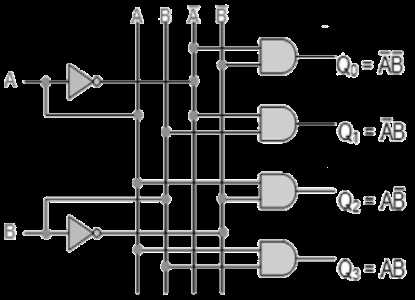
If your sensor uses a third channel for the Z signal (or index pulse), ensure this is connected properly. The Z signal is critical for absolute position tracking, as it provides a reference point for the rotation.
In cases where you’re using a quadrature signal, double-check the phase relationship between the A and B channels. They should be 90 degrees out of phase with each other. This ensures precise direction sensing and accurate counting of pulses during operation.
Finally, consider protecting your system from voltage spikes and surges. Using components like diodes for reverse voltage protection or resistors for current limiting can greatly enhance the reliability and longevity of your setup.
How to Connect the Encoder to Power Supply
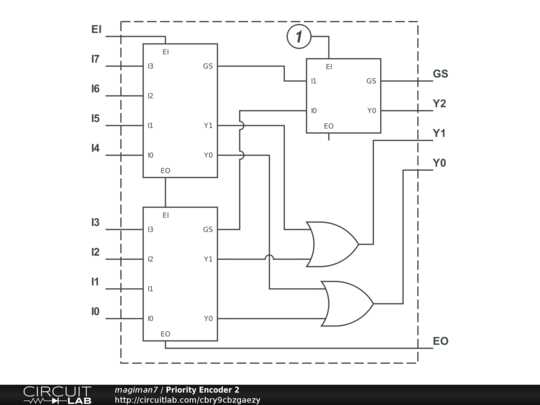
First, check the voltage requirements of your position sensor. Most encoders operate at either 5V or 12V, but this varies based on the model. Always refer to the manufacturer’s datasheet to ensure the correct power supply voltage is selected.
For powering up, connect the positive terminal of the power source to the power input pin of the sensor. Ensure that the wiring is secure to avoid any loose connections that might interrupt the signal transmission.
Next, ground the sensor to the system’s common ground. A good connection to ground is crucial for reducing noise interference and preventing electrical feedback that can affect sensor performance.
If the encoder has a shielded cable, connect the shielding to ground. This will further help to mitigate noise and maintain the signal integrity between the encoder and the rest of the system. Using proper shielding techniques is important for maintaining the precision of your measurements.
Check the polarity of your connections to avoid damaging the sensor. Incorrect polarity can result in improper functioning or, in the worst case, permanent damage. Double-check all wiring and ensure the power supply matches the encoder’s requirements.
Finally, use appropriate protection circuits, such as fuses or diodes, to prevent power surges from damaging the sensor. This step is crucial in industrial settings where equipment is exposed to fluctuating power levels or external electrical disturbances.