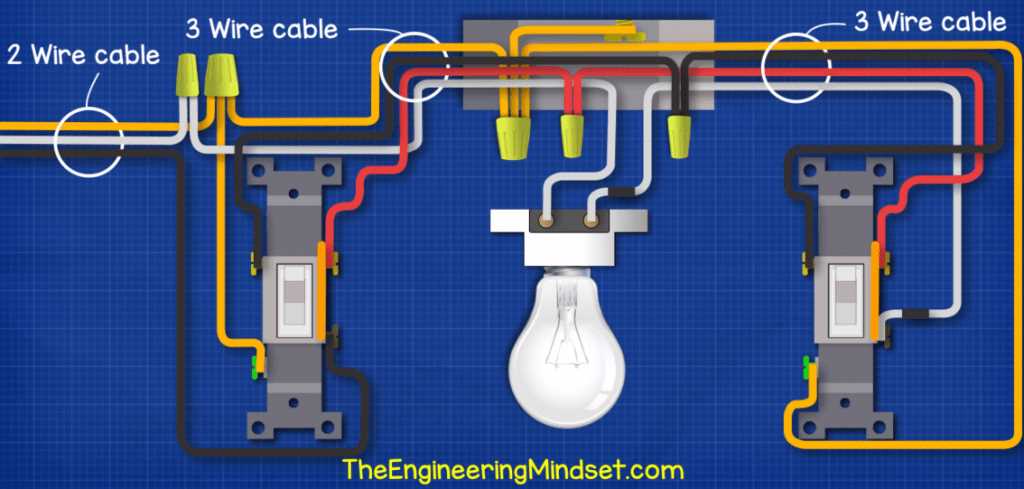
Connect the travelers between the two control points before attaching the common line to the fixture. Use standard color codes: black for the common feed, red and blue for traveler conductors. Verify each connection with a multimeter to ensure continuity.
Label each conductor to avoid confusion during installation. Mark the common, travelers, and neutral clearly to prevent reversed connections that could cause switches to malfunction.
Install each switch in a secure junction box and tighten terminal screws firmly without damaging the insulation. Loose contacts may result in flickering or intermittent operation.
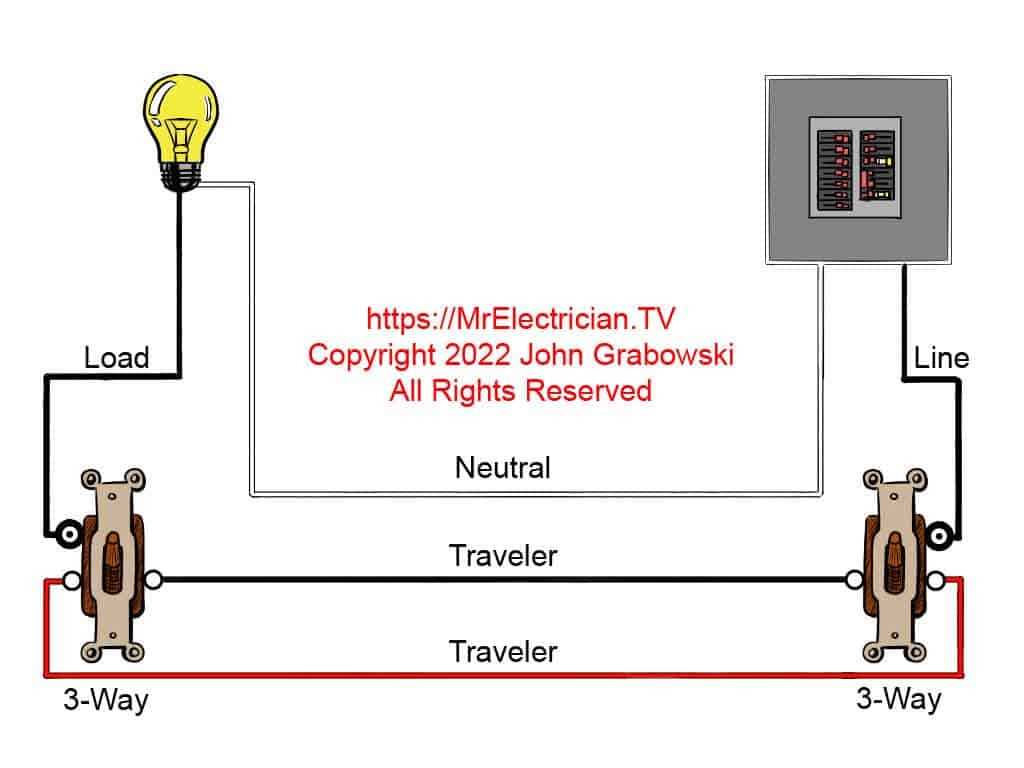
Test each control point individually after making connections. Flip each switch and confirm that the fixture responds correctly from both locations.
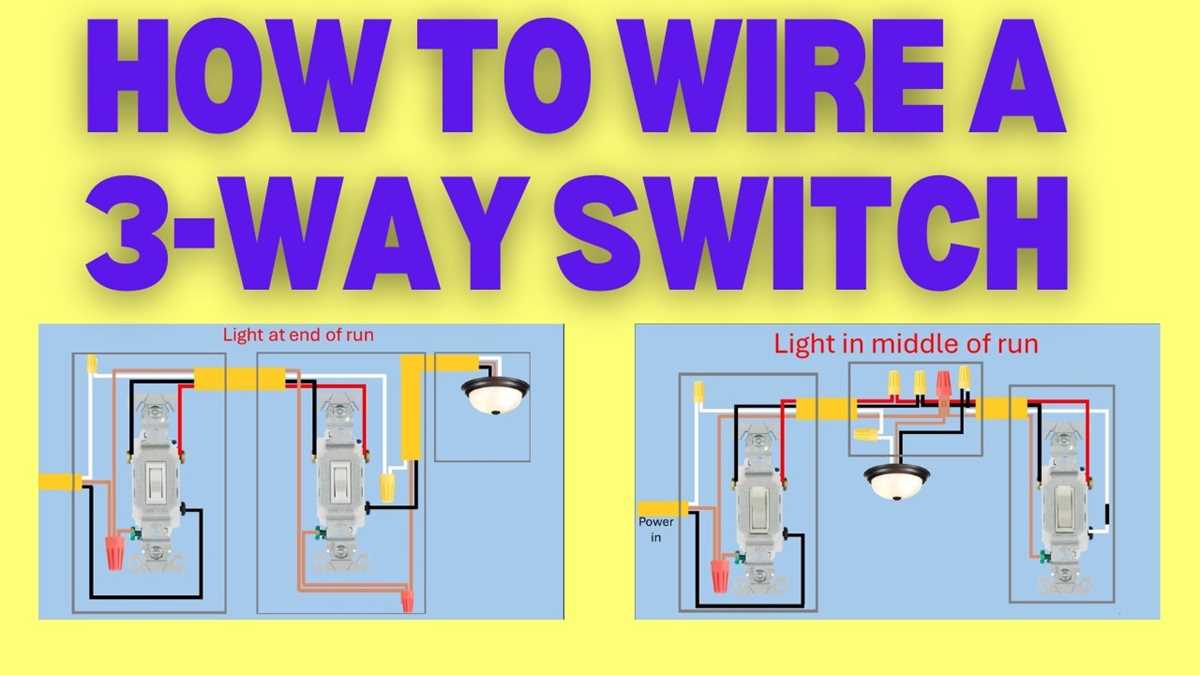
Use insulated connectors or wire nuts for splices and bundle excess cord neatly to avoid pinching or abrasion. Keep a small loop for each conductor to allow future adjustments.
Check voltage under load to ensure travelers carry proper current without excessive resistance. Replace any worn or corroded terminals to maintain consistent operation.
Document the setup with a simple sketch showing switch positions and conductor colors. This reference simplifies maintenance and reduces errors if modifications are needed later.
3 Switch Circuit Guide
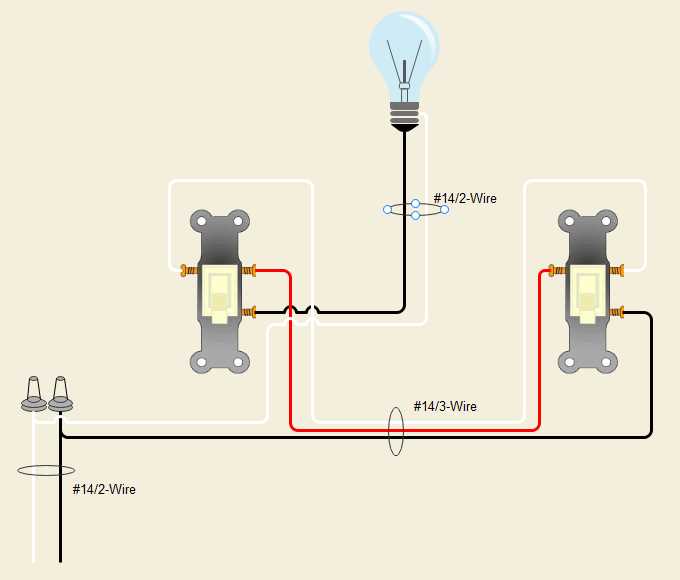
Connect the travelers between the two control switches before attaching the common feed to the fixture. Use red and blue for travelers and black for the hot line. Confirm continuity with a multimeter before final assembly.
Secure each switch in a sturdy junction box and tighten terminals without damaging insulation. Loose screws can cause flickering or intermittent operation under load.
Label all conductors clearly. This prevents reversed connections when adding additional switches or replacing components, and simplifies future troubleshooting.
Test the circuit from both control points after installation. Flip each switch to verify that the fixture responds correctly at each location, ensuring proper current flow through travelers and common.
Use insulated connectors for all splices and bundle excess cord neatly to avoid pinching or abrasion. Leave small loops at junctions to allow adjustments or expansions.
Check voltage under operational load to ensure travelers carry proper current without excessive resistance. Replace any worn terminals to maintain consistent performance and prevent overheating.
Identifying Switch and Conductor Connections
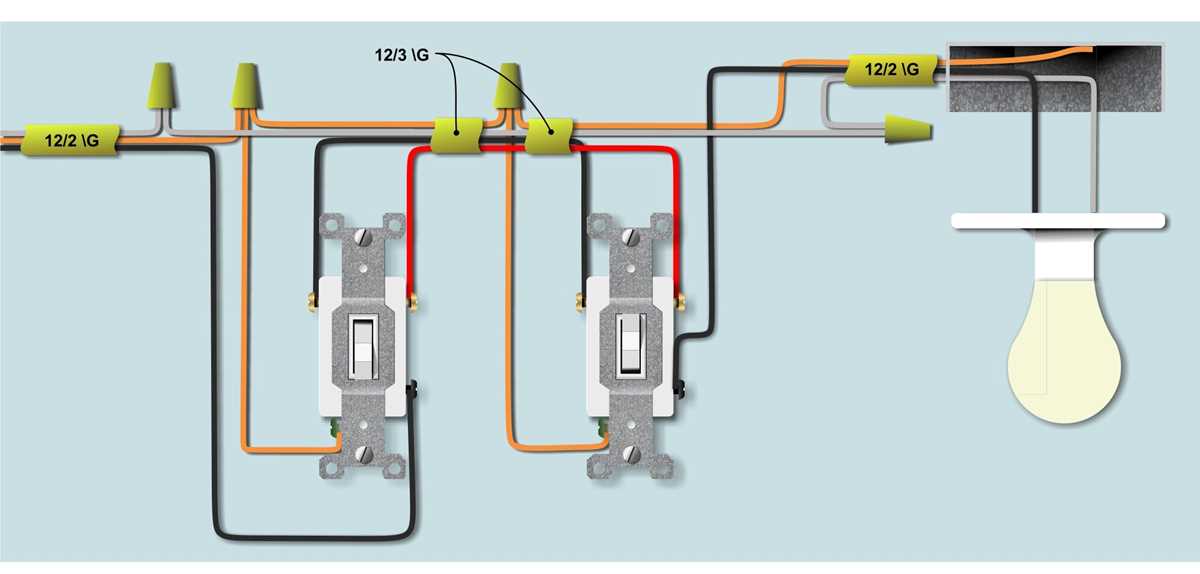
Begin by isolating the common feed at the first switch. Use a multimeter to confirm which terminal carries the incoming current. Label this terminal as the hot line to prevent confusion.
Identify the traveler conductors connecting the two control points. Typically, red and blue insulated wires serve as travelers. Mark each with tape or tags for consistent identification at both switches.
Check ground connections separately:
- Green or bare copper wires should be attached to the metal switch boxes or dedicated grounding screws.
- Verify continuity between each ground and the main electrical panel to ensure proper safety.
Trace neutral connections from the fixture to the second switch if required. Confirm they do not mix with travelers, as this can prevent the switches from operating correctly.
Test each conductor individually using a test lamp or multimeter. Flip each switch at one end while monitoring voltage at the other to confirm that travelers alternate current correctly.
- Label all terminals clearly on both switches.
- Secure connections with terminal screws or insulated connectors.
- Bundle excess conductors neatly and leave small loops for adjustments.
- Recheck voltage and continuity before closing the junction boxes.