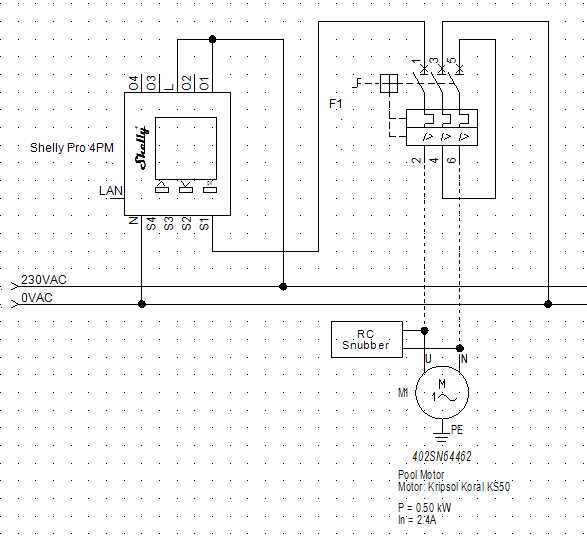
Start by connecting the positive wire from your power source directly to the unit’s input terminal. Make sure the wire gauge matches the amperage requirements of your system to avoid overheating. Secure the connection tightly and use electrical tape to insulate the terminal from moisture and other environmental factors.
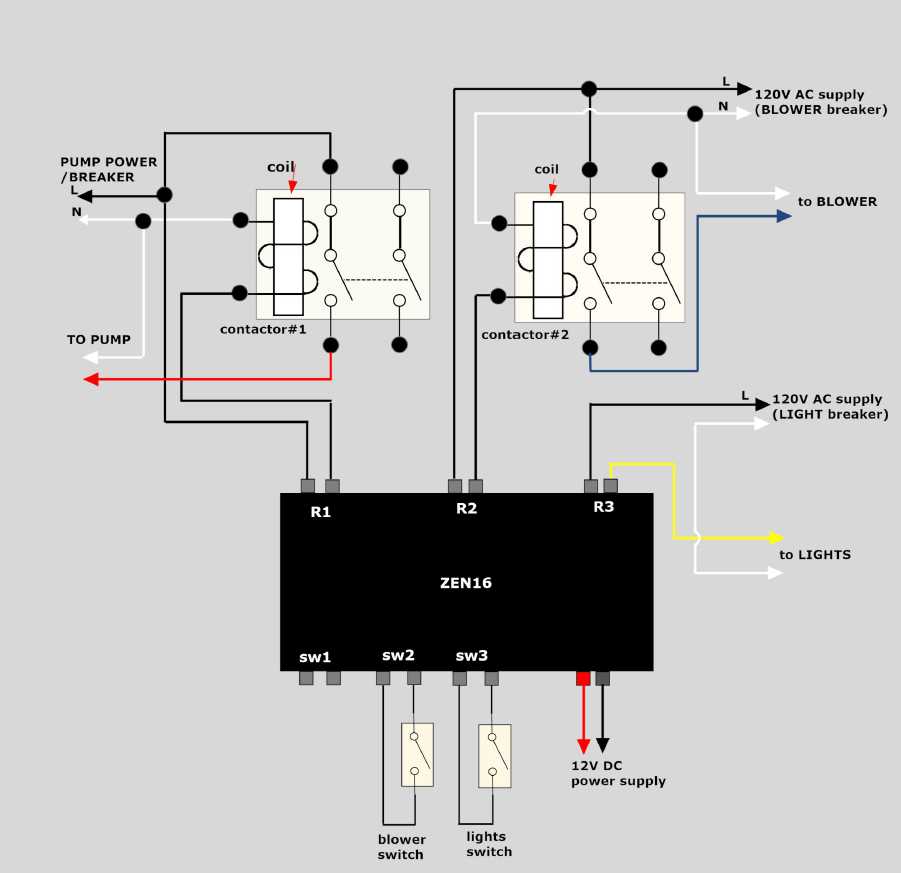
The negative wire should be attached to the system’s ground. This step completes the circuit, ensuring safe and reliable operation. A proper grounding method is crucial to protect both the equipment and the user from electrical faults. Verify all connections using a multimeter to check for any potential errors before powering on the unit.
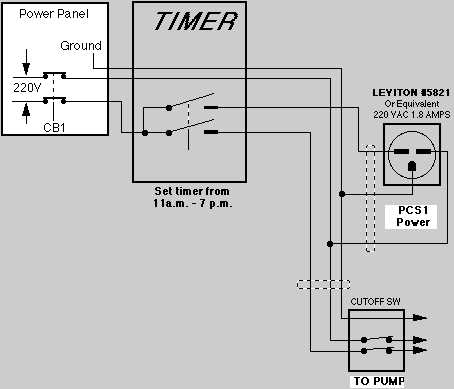
After making the connections, perform a test run to check for any electrical issues, such as short circuits or fluctuating voltage. If any abnormalities are found, power off the system immediately and inspect the connections. Regular maintenance and ensuring the wiring setup is correct will prolong the lifespan of the equipment and prevent potential safety hazards.
Electrical Setup for Your Circulation System
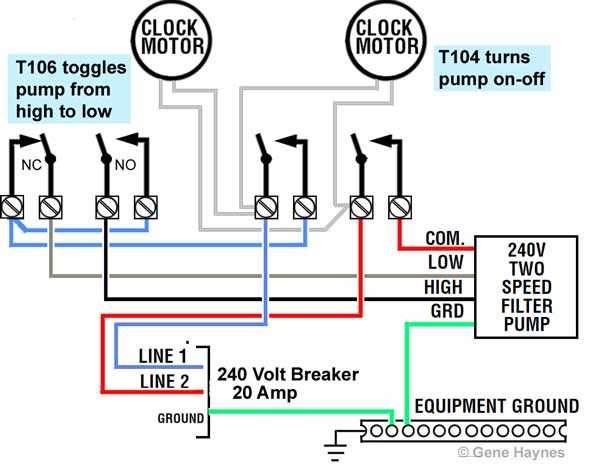
To connect your system to the electrical power source, begin by selecting the proper power rating based on the system’s specifications. Ensure the power supply provides adequate voltage and current. For safety, use a double-pole circuit breaker designed for outdoor use, ensuring the breaker can handle the amperage of your unit.
Next, identify the connection points on the device. Typically, the system will have an input and output terminal for power connections. Use heavy-duty electrical cable to connect these terminals, making sure to strip the wire ends carefully to avoid short circuits. Tighten all connections firmly to avoid any risk of electrical failure.
It’s critical to install a dedicated ground wire. This wire should be connected securely to the metal frame of your system, ensuring that it provides a safe path for any electrical surges. Grounding helps protect both the equipment and individuals from potential electrical shocks.
Before turning on the power, use a multimeter to check continuity and voltage levels across all connections. This step ensures that there are no faulty connections that could damage the equipment. If you notice any issues, resolve them before continuing.
After everything is securely connected, power on the system and verify its operation. Listen for unusual sounds, check for any electrical malfunctions, and make sure the device operates within the normal voltage range. Regularly inspect your setup to ensure everything remains secure and functioning correctly.
How to Connect the Power Supply to the Pump
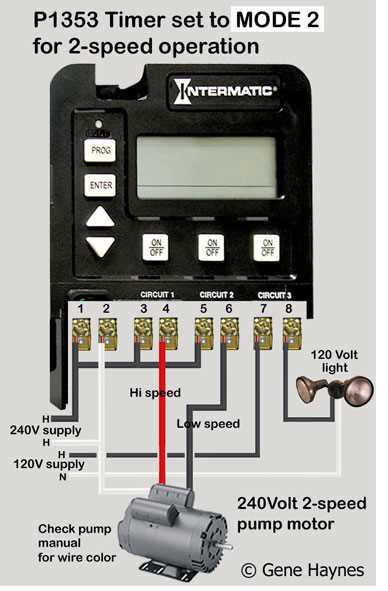
Begin by ensuring that the power source is turned off to avoid any electrical hazards. Select a properly rated circuit breaker for the unit’s power requirements. This should match the amperage listed on the motor’s specification plate. A double-pole breaker is typically recommended for higher-voltage units.
Next, connect the wires from the power supply to the terminals on the device. Use an appropriately sized gauge wire to ensure a secure and stable connection. Make sure the connections are tight and well-insulated to prevent any short circuits. Properly ground the device by attaching the ground wire to the metal frame of the motor or pump housing.
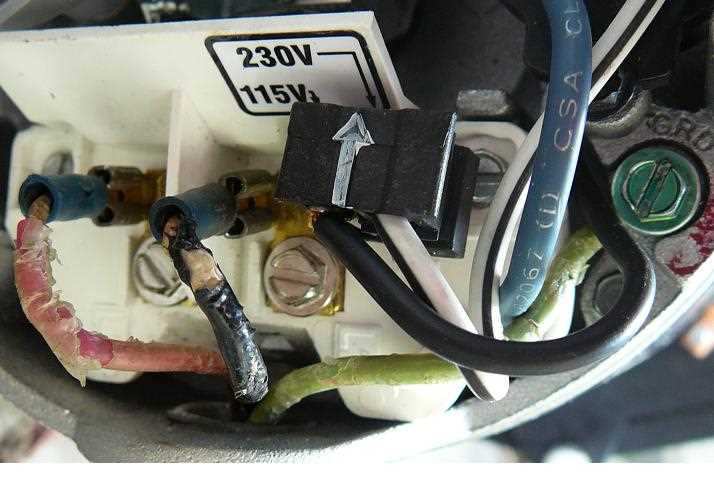
Before switching the power back on, double-check all connections with a multimeter to confirm there are no issues. Once verified, restore power to the system. Test the operation by checking for any unusual noises, electrical fluctuations, or irregular performance, ensuring the system is operating safely and smoothly.