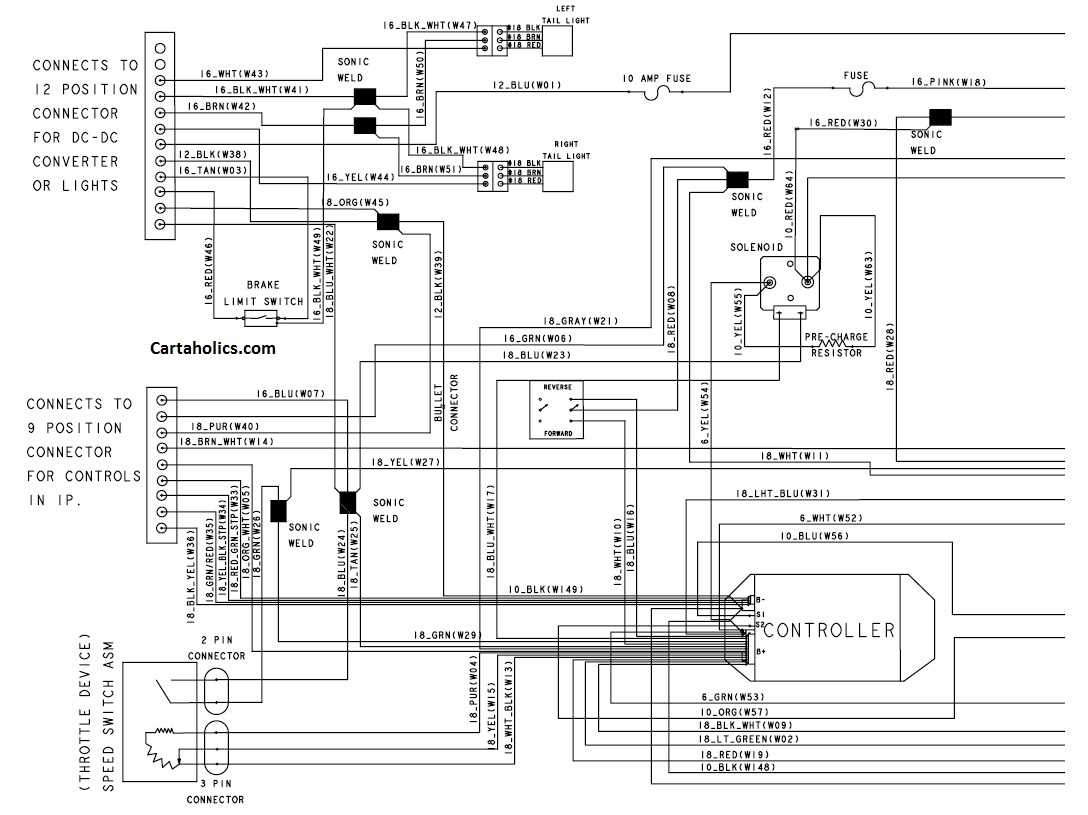
Start by identifying the key components that make up the electrical system, including the battery pack, controller, and motor connections. Each of these parts relies on specific terminals to ensure proper power distribution. If you’re experiencing issues with performance or charging, the problem could be traced to a poor connection or damaged wire.
When troubleshooting, check for any visible wear or corrosion on the connectors. Even small amounts of corrosion can cause poor electrical contact, leading to inconsistent power flow. Using a multimeter to test voltage levels at various points will help you identify any potential faults in the system. Pay particular attention to the battery connections, as these are critical for maintaining consistent voltage.
If you need to replace or repair connections, make sure you are using the correct gauge wire for the system’s requirements. Incorrect wire sizes can lead to overheating or even electrical fires. Insulate all exposed wiring with heat shrink tubing to prevent short circuits, and ensure that each connection is securely fastened to avoid accidental disconnections.
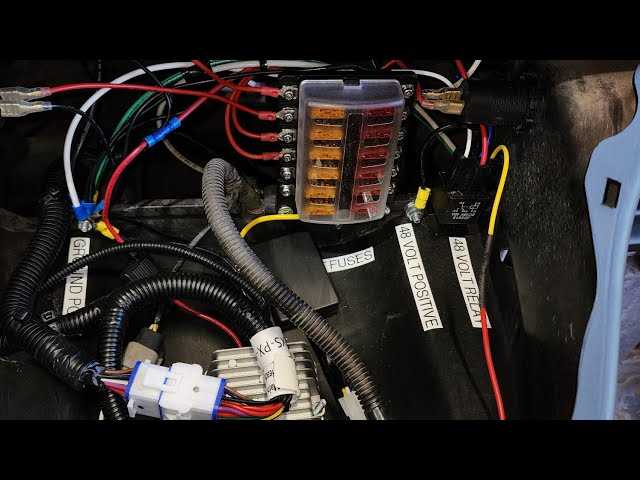
Understanding the Electrical Connections of a 48V Golf Cart
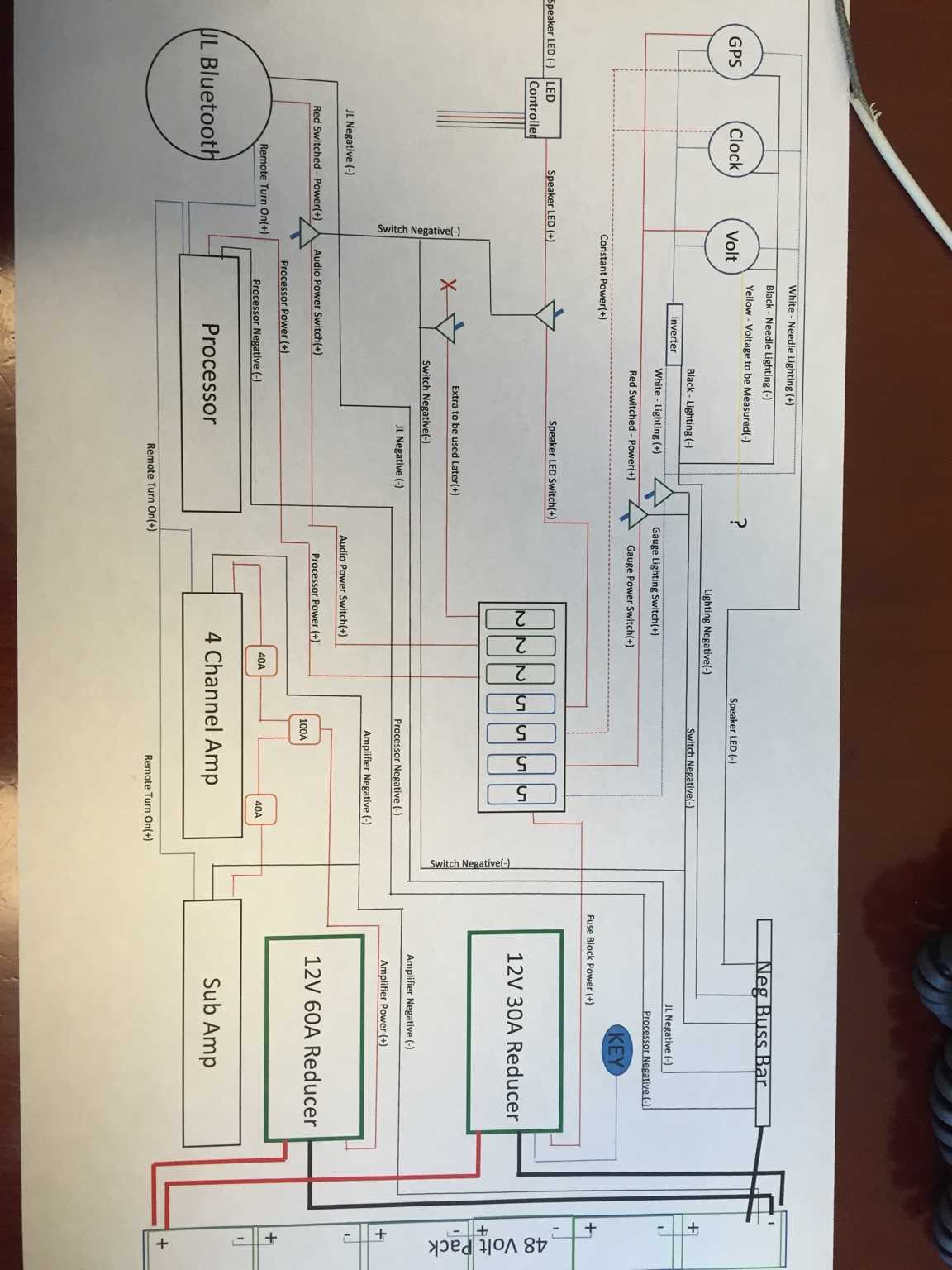
Start by identifying the main power source. In a 48V system, there are typically six 8-volt batteries connected in series. Each battery is linked to the next one, creating the 48 volts necessary to power the vehicle. Ensure all battery connections are clean and tightly secured to prevent power loss.
Checking the Battery Pack Connections
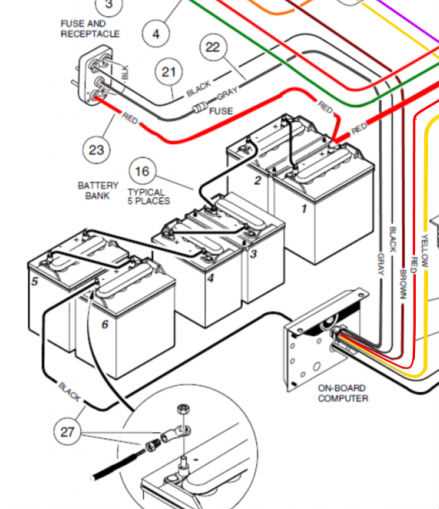
Use a voltmeter to test the voltage across the terminals of each battery. This will help you confirm that the batteries are properly connected and that the total output is 48 volts. If any individual battery is showing significantly lower voltage, it may be faulty and need replacing. Also, inspect the battery cables for any wear, corrosion, or loose connections, as these can disrupt the flow of electricity.
Inspecting the Controller and Motor Wiring
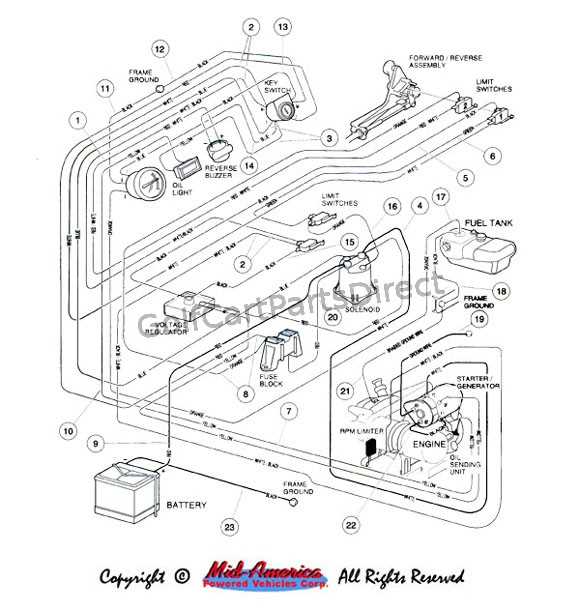
Next, check the wiring connected to the controller. The controller regulates the speed and power going to the motor, so it’s important that its connections are intact. Look for any signs of burning, fraying, or corrosion on the wires. If the controller is not receiving a stable voltage, the motor may not perform optimally, causing issues like stuttering or a lack of acceleration.
After confirming the controller’s functionality, test the wiring from the controller to the motor. Any loose or damaged connections here can prevent the motor from receiving the correct voltage, leading to performance issues. Additionally, make sure that the connections are insulated properly to avoid short circuits.
If the motor is not running smoothly, inspect the ground connections. A poor ground connection can cause intermittent issues that are hard to pinpoint. Clean and secure all ground terminals to ensure a reliable power flow.
Lastly, if you continue to experience problems after inspecting these key components, it may be helpful to consult the manufacturer’s manual for detailed connection layouts. A proper understanding of the system’s wiring will assist in diagnosing and fixing any issues more efficiently.
How to Identify and Test Connections in a 48V System
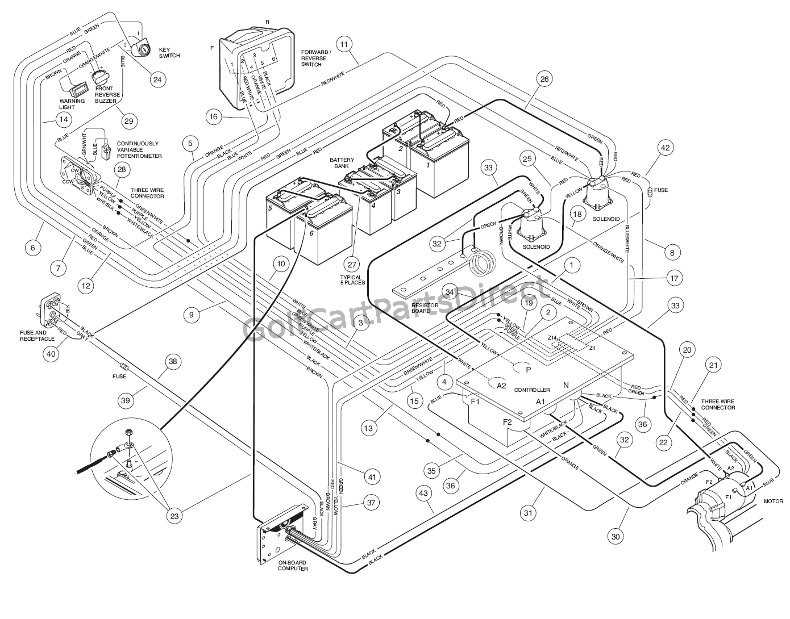
Start by visually inspecting all connections within the electrical system. Ensure that all terminals are free of corrosion, dirt, and other debris that could interfere with the current flow. If any connector looks damaged, replace it immediately to avoid any short circuits or electrical failures.
Next, use a multimeter to test voltage levels at key points in the system. Begin by checking the voltage output at the battery terminals to confirm a steady 48V. If the reading is significantly lower, check each individual battery in the series to locate any weak or dead cells.
- Measure voltage between the positive and negative terminals of the battery pack.
- Test each cell individually if the total voltage is low to pinpoint any faulty battery.
After confirming the battery voltage, move to the controller. Test the incoming voltage at the controller’s power terminals, ensuring that it is receiving the correct voltage from the batteries. Then, check the output voltage from the controller to the motor. If the controller is not outputting the correct voltage, it may need repair or replacement.
Finally, check all ground connections using a multimeter for continuity. Poor or loose ground connections can lead to erratic performance or total system failure. Ensure that all grounds are securely connected to the vehicle’s chassis and that there is no excessive resistance.